BOGOTA (Realist English). The 2016 peace agreement between the Colombian government and the leftist rebels of the Revolutionary Armed Forces of Colombia (FARC) was supposed to end a half‑century of conflict. Instead, it triggered an unprecedented surge in cocaine production, a rapid reshaping of the drug trade, and a massive influx of cheap narcotics into Europe and Asia.
The price of peace: production tripled
According to the UN Office on Drugs and Crime (UNODC), potential cocaine production in Colombia reached a record 2,664 metric tonnes per year. In 2024, according to US data, production stood at 3,001 metric tonnes, with 261,000 hectares of coca cultivation.
The latest available data for 2023 recorded 253,000 hectares, 10% more than the previous year, and a 53% increase in production. Coca-growing areas today are larger than the territory of Washington, D.C.
For comparison: in 2013, Colombia produced about 235 tonnes of cocaine; now it is more than 700 tonnes. In 2014, there were 96,000 hectares under coca, but by 2018, more than 170,000 hectares were planted.
Experts agree that the turning point was precisely the 2016 peace agreement. Former President Juan Manuel Santos introduced a programme to replace coca with legal crops, but it only encouraged peasants who had never grown coca before to start doing so in order to receive subsidies. The government halted aerial spraying with glyphosate, and FARC’s control over plantations weakened, opening the market to many new players.
FARC gone, gangs arrive
Contrary to expectations, peace did not eliminate drug trafficking but merely reshaped it. The centralised FARC structure was replaced by dozens of smaller but equally brutal groups. As the UN special representative noted, “armed groups are fragmenting and using negotiations as an opportunity to expand their control and increase coca production.”
The key player became the Clan del Golfo – one of the world’s largest criminal organisations, controlling a significant share of exports. The Italian mafia ‘Ndrangheta and Balkan cartels are also active in Colombia. In 2025, authorities arrested Giuseppe Palermo, head of ‘Ndrangheta’s Latin American branch, along with 20 foreign drug lords.
Europe and Asia drowning in cheap cocaine
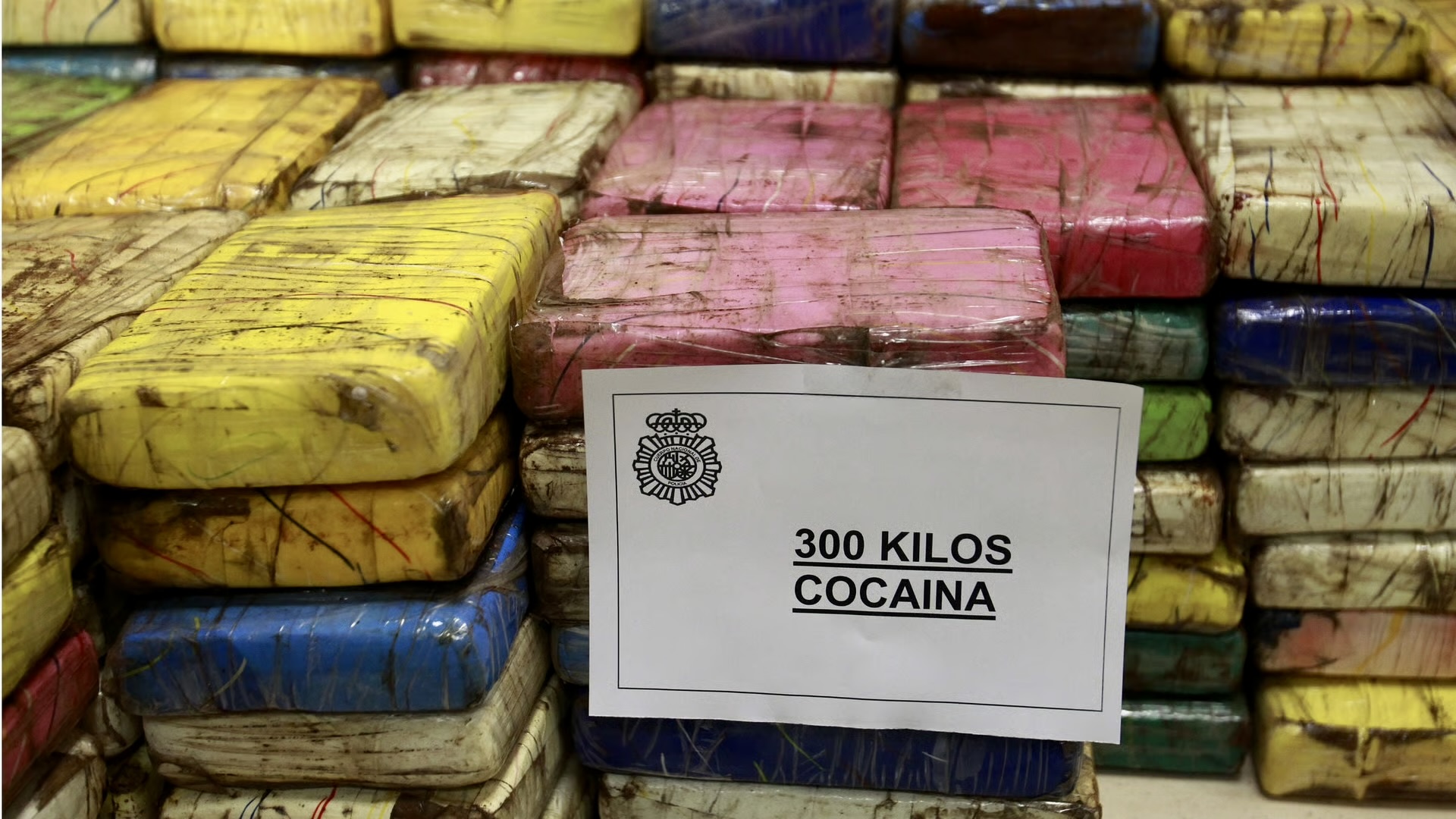
The effects of Colombia’s boom are being felt worldwide. The European market is flooded with cheap, pure product – a phenomenon experts have dubbed the “white tsunami.” Prices have collapsed: in Frankfurt, a gram now costs €30–50, compared to €100 several years ago. Street cocaine purity reaches 80–96%. In Germany, the price is stable at around €60 per gram.
Colombian cocaine is increasingly making its way into Asia. According to the UN, in 2023 at least 25 million people worldwide used cocaine – 8 million more than a decade earlier. The global retail market turnover is estimated at $100–143 billion annually.
Petro’s policy and the US position
Current President Gustavo Petro, who declared a policy of “Total Peace,” reduced forced eradication, leading to a further expansion of plantations. In September 2025, the Trump administration “decertified” Colombia as a partner in the fight against drugs and began a military campaign against drug‑laden vessels in the Caribbean. Trump publicly called Petro a “drug lord.”
Petro, for his part, challenged the UNODC methodology, arguing that it did not reflect the country’s actual efforts. Only in April 2026 did his administration agree with the UN to publish an official report in June 2026.