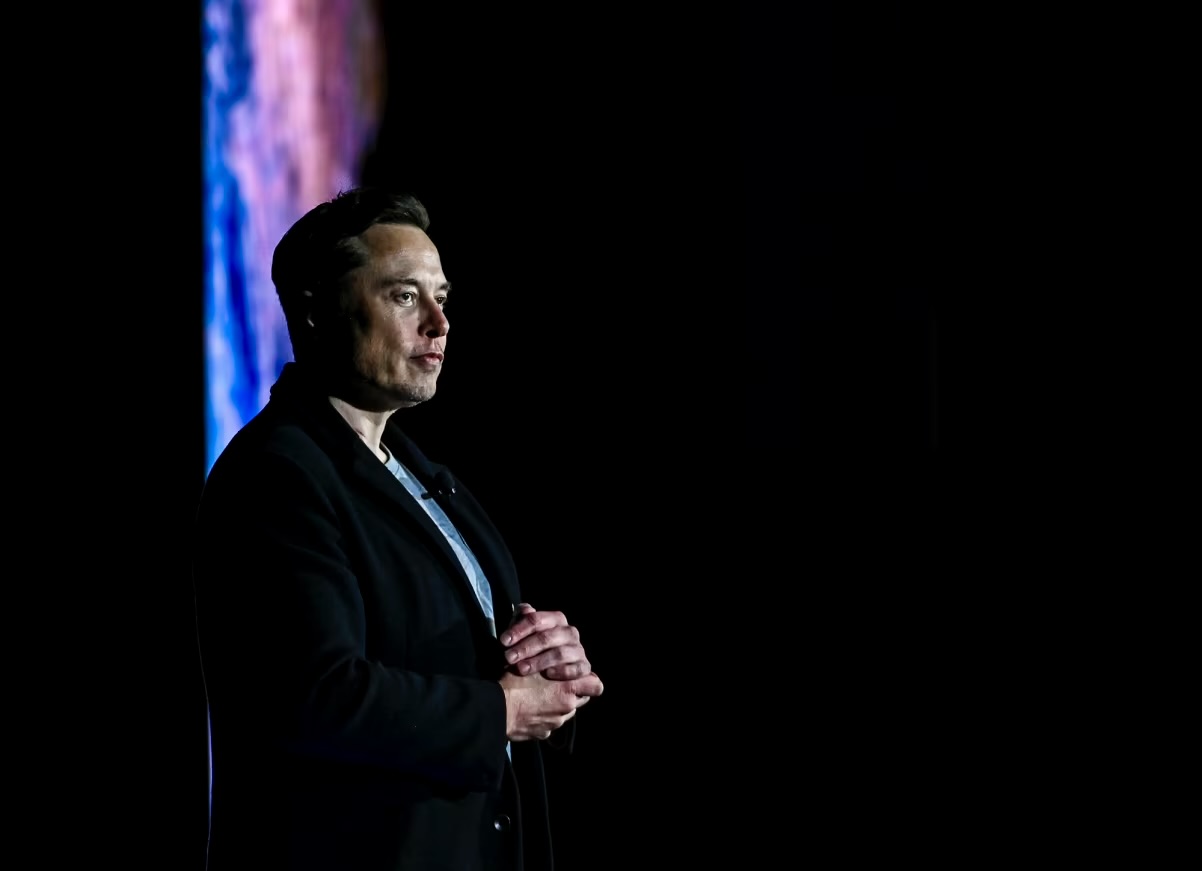
NEW YORK (Realist English). Trading in SpaceX shares began on the Nasdaq at $135 per share, making its founder Elon Musk the first person in human history with a net worth exceeding $1.1 trillion.
The record‑breaking IPO, which raised $75 billion and valued the company at $1.77 trillion, placed SpaceX alongside the world’s largest public corporations.
However, the astronomical figure has sparked not only investor enthusiasm but also considerable controversy: many analysts have called the valuation a “bubble,” and the entrepreneur himself has become the subject of a debate about power, inequality and the future of capitalism.
IPO of the Century: Figures and Records
SpaceX set its offering price at $135 per share, selling 555.6 million shares and raising $75 billion. This is the largest public offering in history, more than double the 2019 record of Saudi Aramco ($29.4 billion). The company’s valuation reached $1.77 trillion, or $1.8 trillion including employee options. Trading began on June 12 under the ticker SPCX on the Nasdaq Global Select Market.
Musk, who owns 42% of SpaceX shares, will add approximately $688 billion to his fortune from this stake alone. His wealth was previously estimated at about $780–830 billion. His net worth now exceeds $1.1 trillion, making him the first trillionaire in history.
The IPO’s success was made possible by SpaceX’s unique position: it is the first private company not only to send people into orbit but also to create the Starlink satellite internet network, which has become the fastest‑growing segment of its business.
How Much Richer Is Musk Than Everyone Else?
Musk is not merely the world’s richest person — he is leaving his closest rivals far behind. His fortune is more than three times larger than that of the second‑richest person, Google co‑founder Larry Page (about $300 billion). Third is Sergey Brin ($268 billion), fourth is Oracle founder Larry Ellison (who once reached $400 billion).
For comparison: the combined wealth of the founders of Amazon, Oracle and Google (Bezos, Ellison, Page and Brin) would still be less than Musk’s.
Richer Than Entire Countries
Musk’s wealth is comparable to the GDP of countries such as Taiwan, Ireland, Sweden, Singapore and his native South Africa — all of which produce less than $1.1 trillion per year. The economy of Manhattan, one of the world’s major financial centers, only slightly exceeds $1 trillion per year.
Purchasing Power
- 9 million typical American households — that is how many families together hold wealth equal to Musk’s fortune.
- More than 7,150 tons of gold. At current gold prices, $1 trillion would buy almost twice as much gold as is stored in the US Fort Knox depository.
- The entire US new‑car market in 2025 totalled about $789 billion — hundreds of billions less than Musk’s fortune.
- All the hotels, skyscrapers and real estate of Houston, the fourth‑largest city in the United States, are valued at $879 billion.
Income from a Trillion
Even if Musk simply put $1 trillion into a standard savings account, he would earn about $1,622 every second — more than many people earn in a month of work.
Controversies and Risks: Bubble or Genius?
SpaceX’s valuation is nearly 94–95 times its annual revenue — significantly higher than the multiples of Meta (22x) and Amazon (18x) at the time of their IPOs. Even the “dean of valuation,” Aswath Damodaran (New York University), estimated SpaceX’s fair value at only $1.25–1.35 trillion, a third below the market level. Morningstar set a target price of $63 per share — less than half of $135, implying a drop of more than 50%.
At the same time, SpaceX’s financial picture remains mixed. In 2025, the company recorded a net loss of almost $5 billion, and its xAI (artificial intelligence) division lost $6.4 billion on revenue of just $3.2 billion. Only Starlink remains profitable. Capital expenditures on AI reached $7.7 billion in the first quarter of 2026 alone.
Nevertheless, in its prospectus, SpaceX estimates its total addressable market at $28.5 trillion, including space transportation, satellite communications, AI infrastructure and other future sectors.
In addition, SpaceX’s governance structure has raised questions among institutional investors. The IPO was structured to preserve 82% of voting shares for Musk, leaving minority shareholders with minimal influence.
Elon Musk has officially become the first trillionaire in human history. His wealth exceeds the GDP of most countries and is three times larger than that of the second‑richest person on the planet. However, the astronomical valuation of SpaceX has sparked a wave of scepticism among analysts, who warn of a “bubble” and overvaluation.
Retail investors, who received a record 30% of the offering (compared to the usual 5–10%), would be most vulnerable in the event of a crash. The coming days will show whether the market meets Musk’s expectations or whether history repeats the fate of other high‑profile IPOs whose stock prices collapsed shortly after their debut.