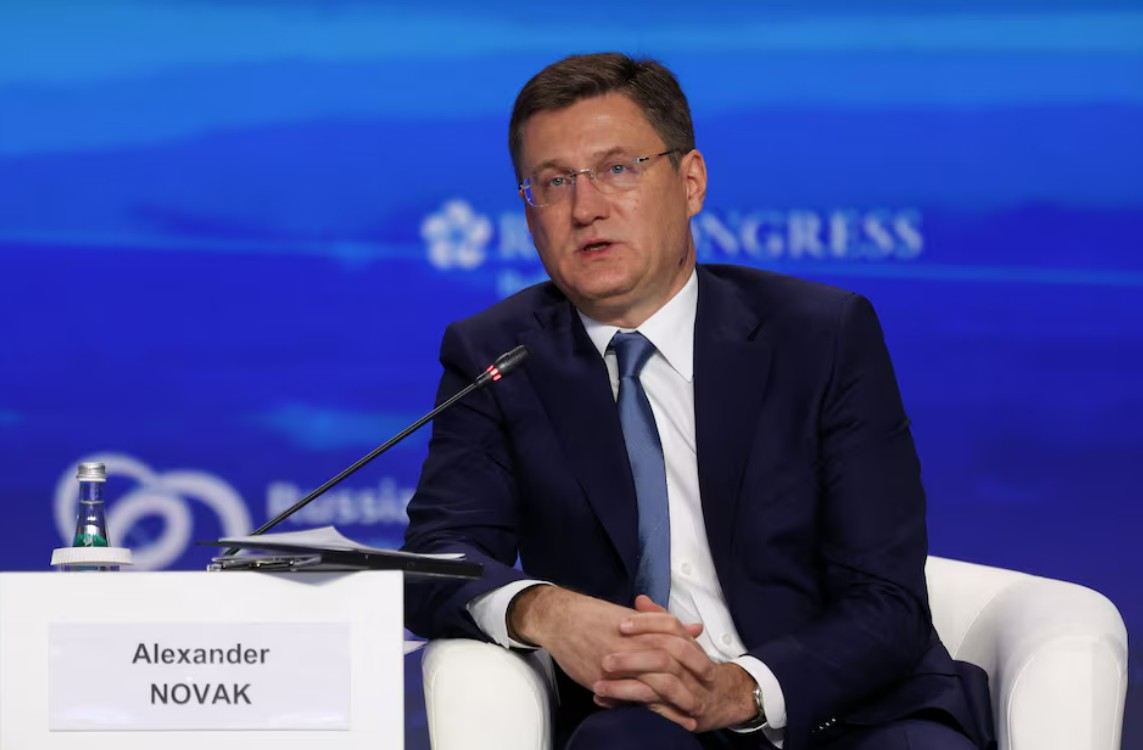
MOSCOW (Realist English). Russia’s fuel market, which experienced an acute crisis in July, has begun to stabilize thanks to a package of measures adopted by the government. This was stated by Deputy Prime Minister Alexander Novak at a meeting on July 21.
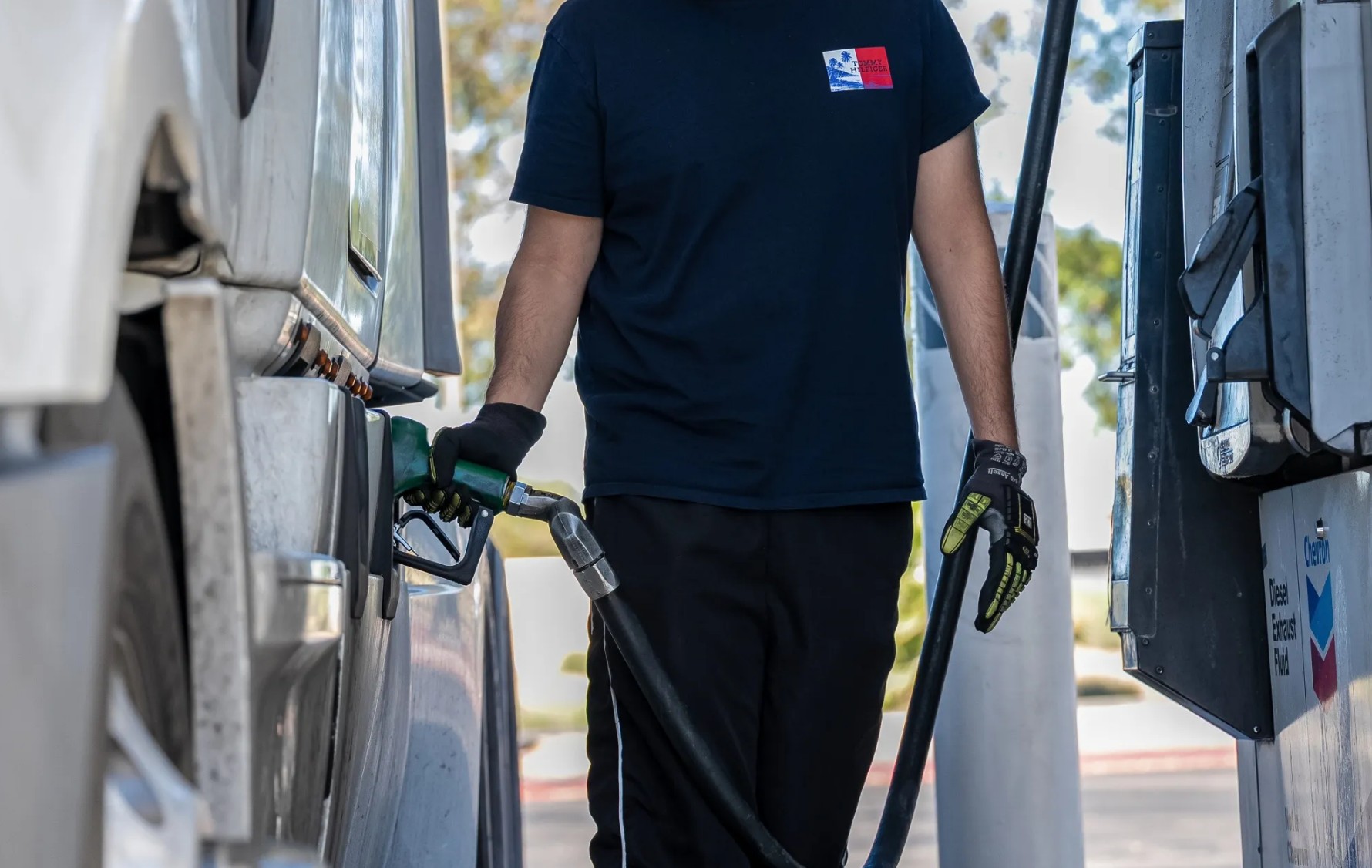
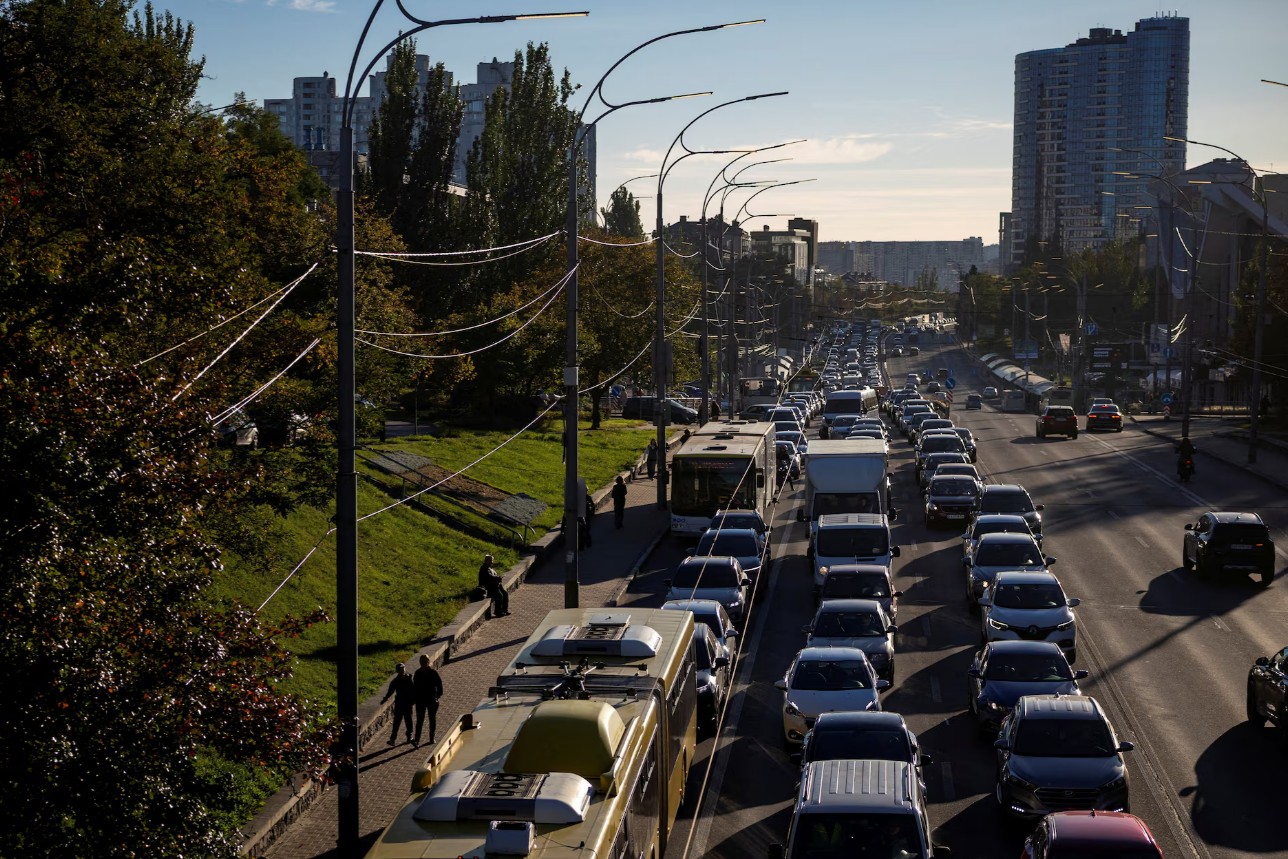
According to him, restrictions are being lifted in most regions, queues at petrol stations are shrinking, and the number of operating filling stations is growing.
“We see that these measures are yielding results and the market is already partially stabilizing,” Novak emphasized. At the same time, he acknowledged that a tense situation remains in certain regions, requiring targeted manual intervention.
Causes of the Crisis: Seasonal Demand, Refinery Maintenance, and Drone Attacks
The fuel crisis of July 2026 was the result of several converging factors. The traditional summer surge in gasoline consumption coincided with a series of unscheduled refinery maintenance shutdowns. As Novak himself acknowledged on July 10, some refineries went offline due to drone attacks.
Since the start of 2026, gasoline prices have risen by an average of 11.58% , while overall inflation stood at about 4% — meaning fuel prices grew three times faster. In the first half of July, AI‑92 prices rose 20% year‑on‑year to 64.5 rubles per litre; AI‑95 rose 24% to 77.5 rubles; and AI‑98 surged 32% to 119.5 rubles per litre.
According to Rosstat, from July 14 to 20, the average price of gasoline in Russia continued to rise, reaching 77.31 rubles per litre (up 1.47 rubles over the week). Diesel fuel rose to 93.54 rubles.
Measures Taken: From Export Bans to Import Damping
The government responded swiftly to the crisis. Key measures include:
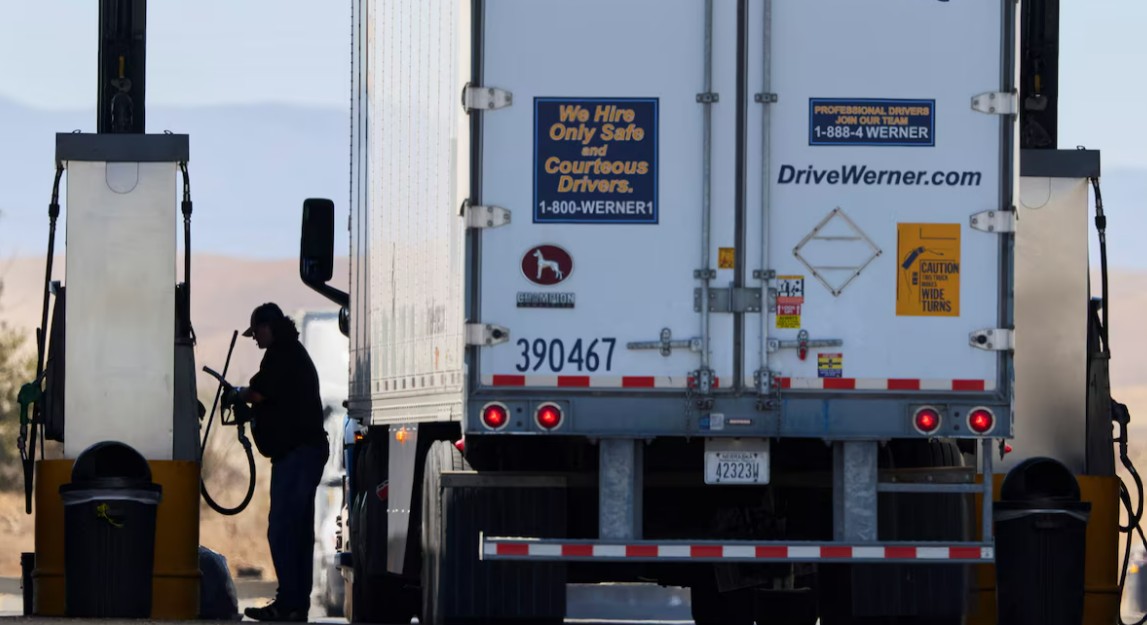
- Ban on exports of gasoline and diesel. An embargo on gasoline exports was introduced in April, followed by a diesel export ban from July 8. On July 25, Novak announced that the gasoline export ban would be extended until the end of the year. The diesel export ban is expected to be lifted as the market stabilizes.
- Increasing refinery utilisation to maximum levels and postponing planned maintenance.
- Lowering mandatory exchange sales quotas. From July 2, the quota for Euro‑5 gasoline was reduced from 15% to 10%, and for diesel from 16% to 10%. The government is discussing a further reduction to 2% during the shortage period.
- Fuel imports to supply the domestic market.
- Import damping for diesel fuel. On July 21, the State Duma adopted a law introducing a compensation mechanism for imported diesel, similar to the scheme for gasoline. Payments will be made while export restrictions are in place.
- Damping payments for middle distillates from July 2026 to July 2027.
Current Situation: Improvements Seen, But Crisis Not Over
On July 25, Novak again confirmed positive dynamics. “The fuel situation in Russia is gradually stabilizing. The balance is now better, and the situation at filling stations is significantly better,” he said.
Authorities are paying special attention to ensuring fuel supplies for agricultural producers during the harvest campaign and for regions requiring northern deliveries. Novak noted that gasoline supply difficulties persist in several regions, mainly in Siberia — Altai Krai, the Altai Republic, Yakutia, Irkutsk Oblast, and Transbaikalia.
Maxim Dyachenko, Managing Partner of the trading company Proleum, confirmed that the market situation has indeed improved somewhat. However, according to Sergey Frolov, Managing Partner of NEFT Research, a rapid market recovery is unlikely — high seasonal demand will persist in the coming months, and a noticeable increase in production is expected closer to the end of 2026.
Independent expert Anastasia Bunina noted that it is still too early to speak of a full recovery, but the peak of tension has already passed.
Novak also confirmed that the circulation of Euro‑3 standard gasoline is a temporary measure. Once refineries resume full operation and the situation normalises, the country will again produce only fifth‑class fuel.
As State Duma Chairman Vyacheslav Volodin previously stated, the situation with fuel supply and prices will begin to change radically “tomorrow or the day after.” According to him, “fuel must be available at the front, in the rear, during the harvest campaign, and for emergency services.”
However, experts warn that fuel prices are unlikely to return to previous levels — the new baseline will be 10–12% higher.