TEHRAN (Realist English). The United States and Iran, despite 13 consecutive nights of airstrikes, continue technical negotiations, while Israel finds itself in a difficult position: on one hand, it is not a party to the US‑Iran memorandum, and on the other, its military operations in Lebanon depend directly on the outcome of talks between Washington and Tehran.
13 Nights of War and One Phone Call: The Paradox of US‑Iran Talks
As of July 24, the US had conducted a 13th consecutive night of airstrikes on Iranian targets. However, in parallel, Washington and Tehran are conducting back‑channel negotiations, trying to find a way out of the crisis.
On July 2, indirect technical talks were held in Doha with the mediation of Qatar and Pakistan, focused on implementing the June memorandum of understanding. On July 10, even after the resumption of strikes, US officials confirmed that technical consultations were ongoing.
On July 16, another round of technical talks took place in Doha aimed at reaching a permanent agreement on maritime navigation and a ceasefire.
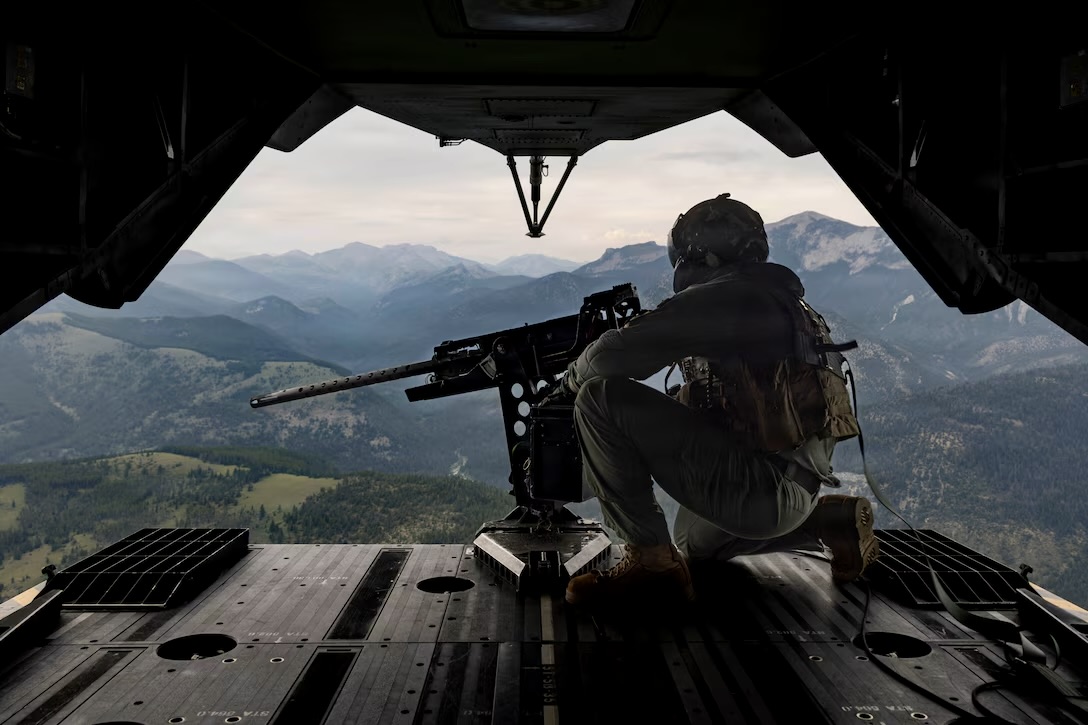
At the same time, the military machine has not stopped. The Trump administration is simultaneously working on two scenarios for resolving the Iran conflict: a diplomatic settlement and military escalation with “punitive” strikes to dismantle Iran’s military capabilities.
As Secretary of State Marco Rubio stated on July 22 in Manila: “The US is open and ready to engage in positive, constructive negotiations, provided that commitments undertaken are fulfilled.”
Washington’s main demand to Tehran is a public statement on the full restoration of shipping in the Strait of Hormuz and an end to attacks on commercial vessels. However, Tehran consistently rejects all proposals for a temporary ceasefire, insisting that the issue of control over the strait must be resolved definitively.
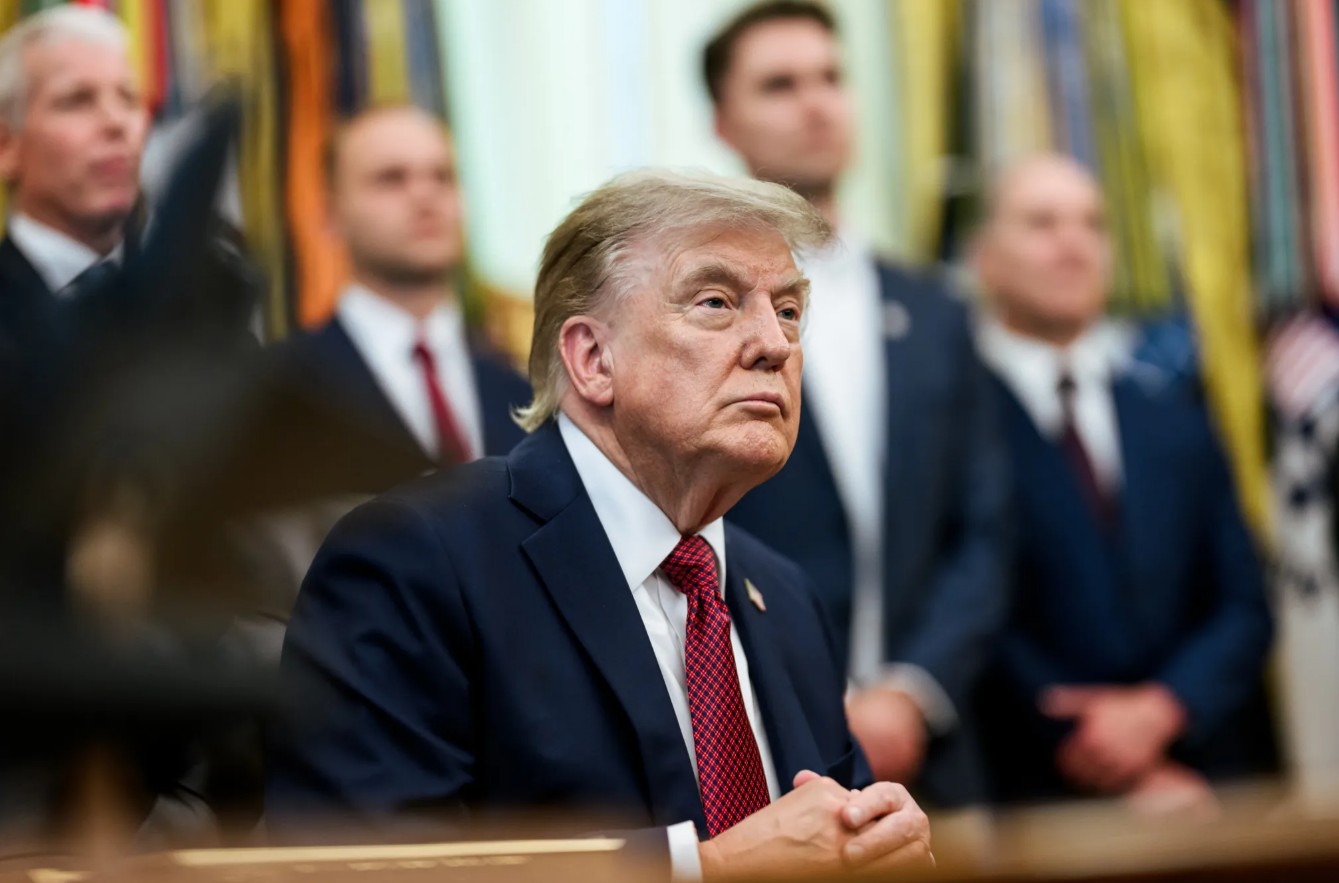
On July 25, Trump said he was ready to hear proposals from Iranian representatives: “They are talking to us right now. They would like to make a deal. I don’t think they are ready, I don’t think the time has come yet. But I am ready to listen.” At the same time, he added: “They cannot have nuclear weapons.”
Israel Against the Memorandum: “We Are Not Part of This Process”
While Washington and Tehran seek common ground, Israel finds itself in the position of an observer — directly affected by events but not invited to the negotiating table.
As The Jerusalem Post notes, while the US strikes Iran, Israel has been ordered to stay on the sidelines — it was not even invited to join the operation in the Strait of Hormuz, even though Washington openly calls on other countries to do so. In Tel Aviv, concern is growing: Western intelligence agencies believe Iran may try to draw Israel into a direct confrontation.
Israel’s Ambassador to the US, Yehiel Leiter, stated that Israel views the framework agreement with Lebanon concluded in June as a document that takes precedence over the US‑Iran memorandum. According to him, “both Israel and Lebanon clearly see that our trilateral agreement takes precedence over the first clause of the memorandum.” At the same time, Leiter acknowledged that Israel’s influence on decision‑making in Washington is limited: “All we can do is voice our opinion. We cannot be part of the decision‑making process. It is too big for us. We know our size.”
Israeli Defence Minister Israel Katz, for his part, warned that any attack on Israel would provoke a “crushing response.”
The Lebanese Front: Israel Will Not Leave Until Hezbollah Is Disarmed
While Washington and Tehran discuss ceasefire terms, Israel continues its military operation in Lebanon, launched in March 2026.
On July 9, Defence Minister Katz stated that Israel would not withdraw troops from southern Lebanon until Hezbollah’s military wing lays down its arms. “We will continue to remain in the security zone in Lebanon and act from there for as long as necessary, until Hezbollah is disarmed throughout Lebanon,” Katz said.
On July 14–15, a new round of direct talks between Israel and Lebanon took place in Rome with US mediation. The sides discussed the implementation of so‑called “pilot zones” — areas where the Lebanese army would take control of territory, while Israel would begin a phased withdrawal. A US official called the talks “productive and positive.”
However, the key problem remains unresolved: Hezbollah is not a party to the talks and rejects demands for disarmament. Lebanon demands an immediate Israeli withdrawal, but Israel insists it will remain in southern Lebanon as long as Hezbollah remains armed. Prime Minister Benjamin Netanyahu, for his part, said he would strike Iran if Tehran attacked Israel.
The situation remains extremely tense. The US will continue striking Iran while simultaneously negotiating with it — the classic “carrot and stick” tactic, which has so far yielded no results. Iran refuses a temporary ceasefire, insisting on full control over the Strait of Hormuz.
Israel, left out of the US‑Iran diplomatic process, continues to act independently, entrenching its military presence in Lebanon and preparing for a possible expansion of the conflict.
As Brookings notes, the US‑Israel war against Iran has already shifted political and diplomatic focus away from the Israeli‑Palestinian conflict. However, according to analysts, the new regional architecture that Washington and Tehran are trying to build could leave Israel in the position of a “junior partner,” whose interests are taken into account last.