JERUSALEM (Realist English). Against the backdrop of the protracted conflict with Iran, Israel is intensifying efforts to strengthen ties with moderate Arab regimes, turning the common threat from Tehran into a catalyst for regional reconfiguration.
As the Israeli publication Israel Hayom notes, “despite everything, Israel continues to strengthen its relations with Saudi Arabia and Jordan,” and “the ties between Israel and moderate Arab countries are growing stronger.”
Saudi Arabia: Public Signals and the Spectre of Normalisation
Saudi Arabia remains a key focus of Israeli diplomacy. In mid‑July, Israeli President Isaac Herzog gave an exclusive interview to the Saudi outlet Al Arabiya, stating that his “dream” is to see peace between the two countries. He expressed respect for Crown Prince Mohammed bin Salman and suggested the possibility of direct talks with Washington’s support.
Three days later, former Royal Saudi Air Force Major General Abdullah bin Ghanem Al‑Qahtani, now a security analyst, appeared on Israel’s Channel 12. The appearance of such a senior Saudi figure in Israeli media is a rare and significant event. He described Iran’s attacks across the region as a “serious threat that cannot go unanswered.”
Geopolitical analyst Cyril Widdershoven called Herzog’s interview “a political signal, not evidence of an active normalisation process.” According to him, Riyadh uses such media contacts to “remind Washington and Israel that rapprochement remains possible.”
Military Cooperation: “Unprecedented” Interview with Former IDF Chief of Staff
Another powerful signal came from the interview given by former Israel Defense Forces Chief of Staff General Gadi Eizenkot to the Saudi newspaper Elaph, which Israel’s Haaretz called “unprecedented.” Eizenkot called Iran “the biggest threat to the region” and expressed readiness to share intelligence with “moderate” Arab states, including Saudi Arabia.
“We are ready to share information if necessary. There are many common interests between us and Saudi Arabia,” the general said. Eizenkot noted that on the issue of countering Iran, Israel and Riyadh are in “full agreement,” stressing: “Saudi Arabia has never been our enemy. It has not fought against us, just as we have not fought against it.”
The Israeli military leader also warned of Tehran’s ambitions to create a “Shiite crescent from Lebanon to Iran, and then from the Gulf to the Red Sea” and called for a “major comprehensive strategic plan to stop the Iranian threat.”
New Regional Architecture: From India to Greece
Israel’s Defence Ministry Director‑General Amir Baram, speaking at a conference in Herzliya, called for preparations to create a new regional security architecture — an alliance stretching “from India through the UAE to Greece and Cyprus.”
According to him, the war has “revealed to every player in the region the cost of Iran’s military build‑up” and “created a common interest in forming a broader alliance.” Baram stressed that Israel’s technological and defence advantages, combined with the financial power of the Gulf states, could create a “new defence‑economic front.”
At the same time, Baram warned that agreements that could unlock hundreds of billions of dollars for Iran would “dramatically accelerate its military build‑up.” For Israel, Iran remains an “existential threat,” while for the US, it is a “chronic regional challenge” amid priorities in the Indo‑Pacific.
Less America, More Gulf: Netanyahu’s Strategic Pivot
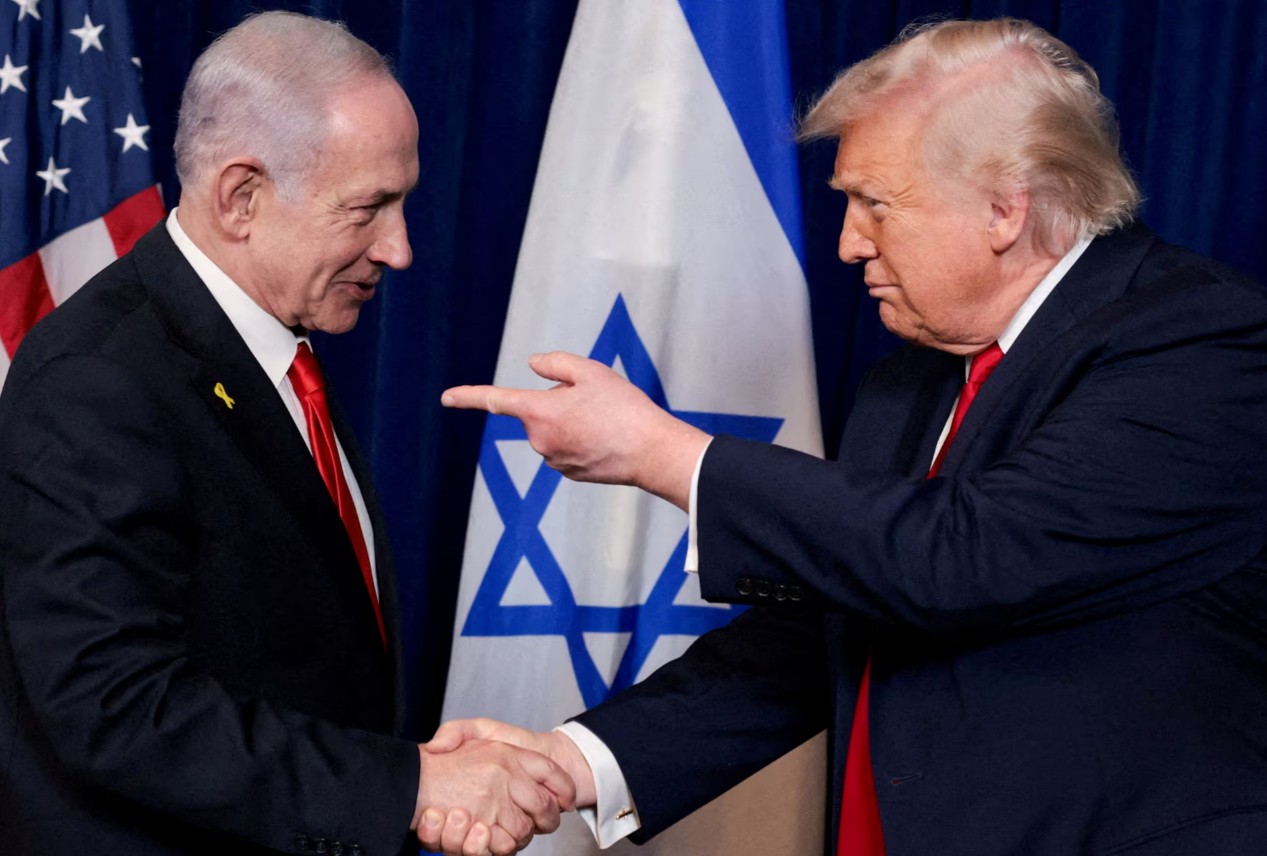
Prime Minister Benjamin Netanyahu has stated his intention to completely phase out US military aid (currently about $3.8 billion per year) within a decade and refocus on strengthening economic and diplomatic ties with the Gulf states. Netanyahu called the current moment the “absolutely right time” for such a strategic pivot.
The Israeli prime minister also called on Saudi Arabia to join the Abraham Accords, calling it a “historic step forward for peace in the Middle East.” US President Donald Trump has also publicly called on Riyadh to normalise relations with Israel.
The Iranian threat has become a powerful catalyst for rapprochement between Israel and moderate Arab regimes. As Israeli President Herzog noted, “the crisis may strengthen the case for regional defence cooperation, including quiet coordination with Israel.” However, according to Widdershoven, “to claim that pre‑October 7 talks have fully resumed would be an exaggeration. To claim that communication channels and strategic calculations are quietly being reactivated would be reasonable.”