YEREVAN (Realist English). The deportation of the indigenous Armenian population of Artsakh (Nagorno-Karabakh) cannot be considered a “resolution of the conflict” or “restoration of territorial integrity,” as official Baku attempts to present it. From the perspective of international law, the events of September 2023 constitute a series of the gravest crimes — from ethnic cleansing to war crimes and the direct disregard of binding decisions by the International Court of Justice.
Realist English publishes an overview of the violations and the legal grounds for the return of Artsakh Armenians to their homeland.
1. Violations by Azerbaijan
Ethnic Cleansing and Genocide
The Azerbaijani campaign has been qualified by the international community as ethnic cleansing. The targeted expulsion of the indigenous population, the systematic destruction of cultural heritage, and the imposition of blockade and famine to force people out leave no doubt about Baku’s intentions.
Key expert conclusions:
- Freedom House and the International Mission (2024) — Baku’s actions have been qualified precisely as ethnic cleansing, characterized by forced displacement of the population, cultural genocide, and destruction of property.
- Melanie O’Brien, President of the International Association of Genocide Scholars — stated that war crimes, crimes against humanity, and genocide took place in Artsakh, especially during the blockade when people died from hunger and lack of medical care.
Violation of the Right to Life and Liberty (Articles 2 and 5 of the European Convention on Human Rights)
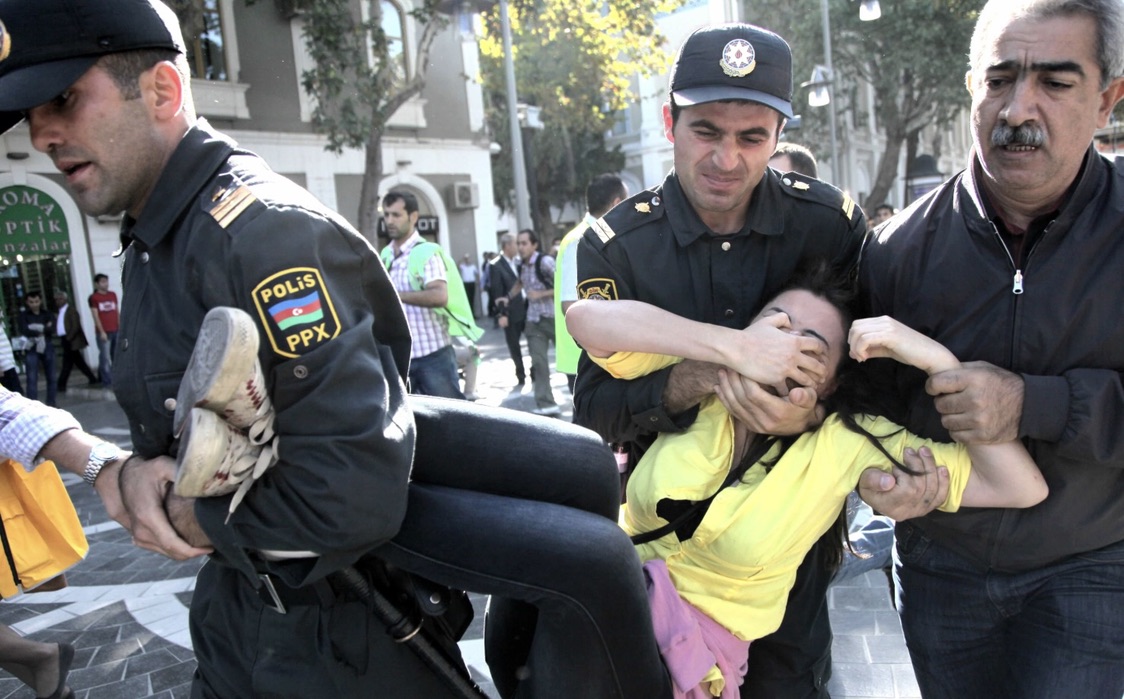
- Deliberate killings of civilians, mass executions of prisoners of war, and illegal detention of Armenian political figures as hostages. The sham trials in Baku (the “case of 15 Artsakh leaders”) have been described by human rights defenders as a political reprisal.
- The conditions of the blockade led to starvation and the impossibility of evacuating the wounded, which constitutes a direct violation of the right to life.
Violation of the Right to Return and Freedom of Movement (Article 12 of the International Covenant on Civil and Political Rights)
Azerbaijan is doing everything possible to prevent forcibly displaced persons from returning to their homes.
- Article 12(1): “Everyone lawfully within the territory of a State shall, within that territory, have the right to liberty of movement and freedom to choose his residence.”
- Article 12(4): “No one shall be arbitrarily deprived of the right to enter his own country.”
Although formally the text refers to “his own country,” in the context of Artsakh — where people lived for generations — preventing them from returning to their homeland by force of arms is a gross violation.
Obligations of an Occupying Power (Hague Conventions of 1907 and Geneva Conventions)
Since Azerbaijan carried out a military seizure of the territory, the law of occupation applies to it.
- Article 43 of the Hague Convention obliges the occupying power to restore and ensure public order and safety, respecting the laws of the country, “unless absolutely prevented.” The dismantling of the government and the mass expulsion of the indigenous population are grave violations of this norm.
- The Fourth Geneva Convention (Articles 27–34, 47–78) protects civilians in occupied territories from violence, torture, and collective punishments. Baku ignores these provisions, subjecting the remaining Armenians to discrimination and persecution.
Right to Property (Article 1 of Protocol No. 1 to the European Convention on Human Rights)
More than 1,000 residents of Artsakh, through their lawyers, have filed lawsuits with the European Court of Human Rights, demanding compensation for lost property and recognition of the right to return. As human rights defenders state, “the right of the residents of Artsakh to live in their homeland has been violated, including the right to dispose of their property, enshrined in Article 1 of Protocol No. 1.”
2. Violations and Inaction by Armenia
The Pan-Armenian Council of Diplomats expressed “serious bewilderment” at the inaction of the Armenian authorities in protecting the rights of their compatriots and ensuring their return to their homeland.
- Renunciation of Artsakh’s Subjectivity: Yerevan succumbed to Baku’s demands by recognizing the “dissolution” of Artsakh and failing to include the issue of refugee return in the peace treaty.
- Lack of Legal Protection: Armenia is not fully utilizing the mechanisms of the International Criminal Court, which it has joined, to prosecute Azerbaijani war criminals.
3. Legal Basis for the Right of Artsakh Armenians to Return
Below is a list of key international legal instruments that grant Armenians the inalienable right to return to their homes.
Universal Declaration of Human Rights (Article 13)
“Everyone has the right to leave any country, including his own, and to return to his country.”
For the people of Artsakh, their “country” is their native hearth. The force of arms does not nullify this right.
International Covenant on Civil and Political Rights (Article 12)
- Paragraph 4: “No one shall be arbitrarily deprived of the right to enter his own country.”
- Paragraph 1: ensures freedom of choice of residence.
The people of Artsakh were born and lived on this land. It is their home.
Fourth Geneva Convention
The Convention protects civilians in occupied territory.
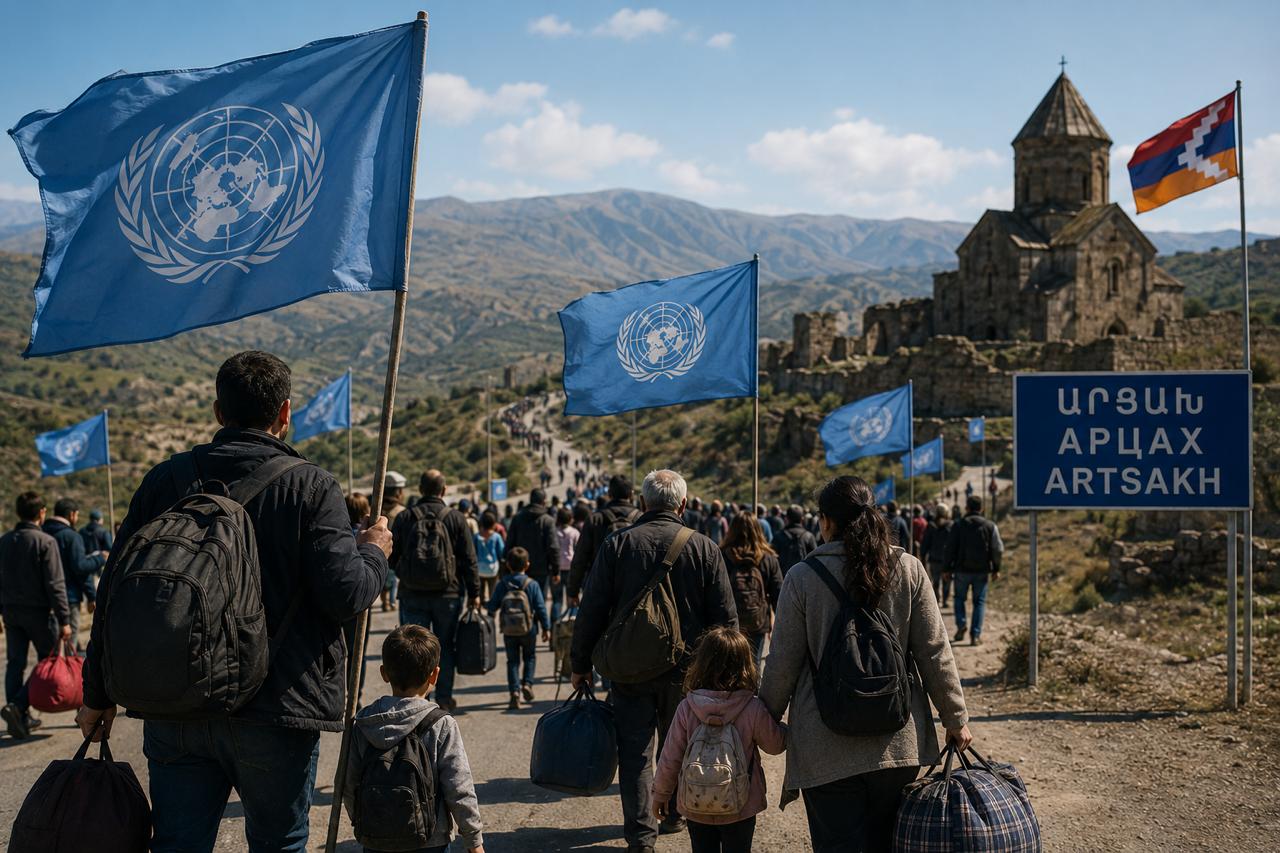
- Article 49 prohibits an occupying power from deporting or transferring parts of its own civilian population into the territory it occupies. The mass expulsion of 100,000 Armenians directly violates this norm.
Article 43 of the Hague Regulations (1907)
“The authority of the legitimate power having in fact passed into the hands of the occupant, the latter shall take all the measures in his power to restore, and ensure, as far as possible, public order and safety, while respecting, unless absolutely prevented, the laws in force in the country.”
Instead of restoring order, the Azerbaijani occupation led to total chaos and the expulsion of Armenians.
Decision of the International Court of Justice (Order of November 17, 2023)
The Court ordered that Azerbaijan must:
- Ensure that persons who left Nagorno-Karabakh after September 19, 2023, and who wish to return, can do so in a “safe, unimpeded, and expeditious manner.”
- Protect identity documents and property documents of deported Armenians.
This decision is legally binding on Azerbaijan. Baku’s disregard of this ruling is a direct challenge to international justice.
Impunity Does Not Last Forever
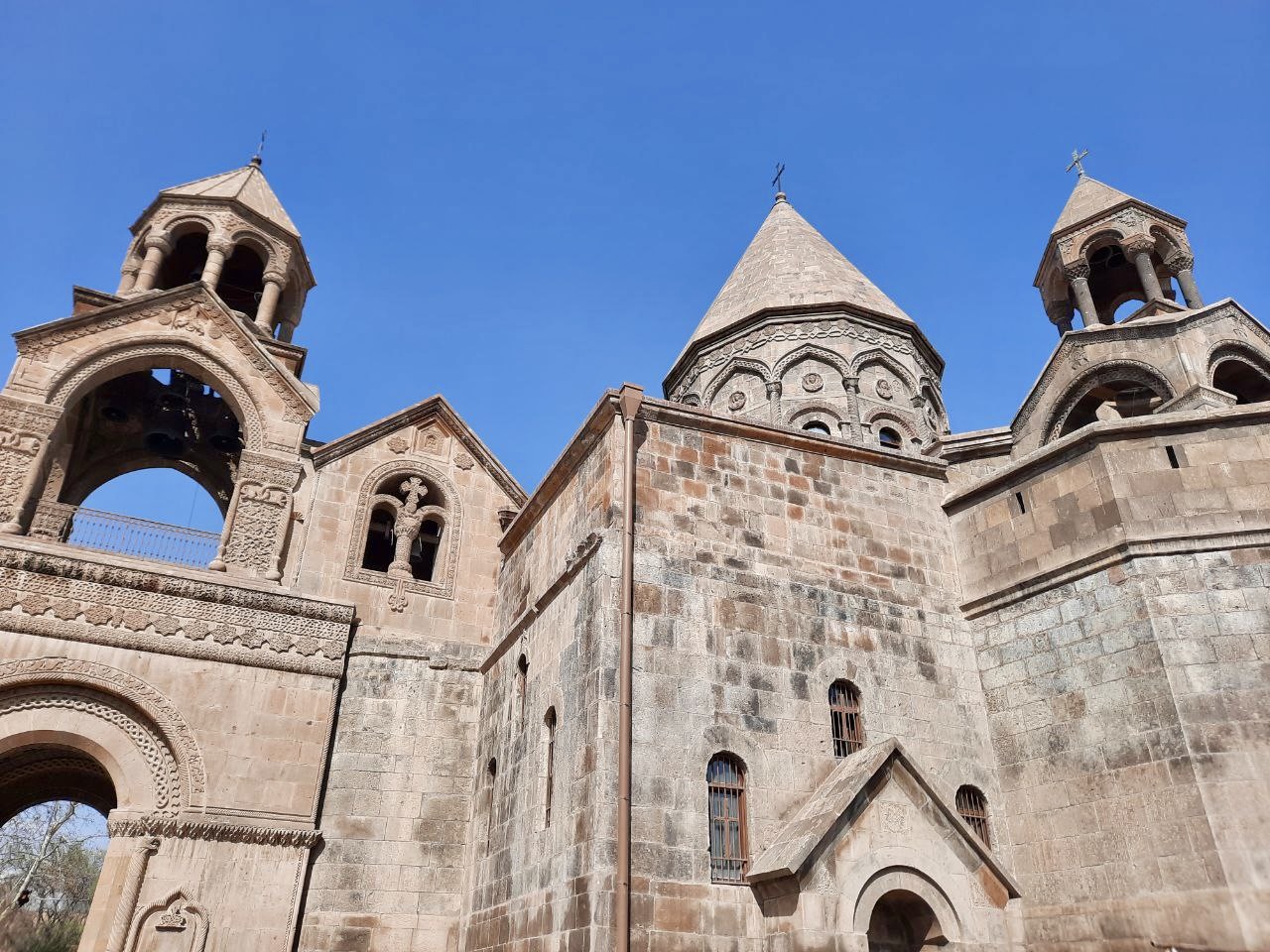
International law grants Armenians of Artsakh the full right to return, compensation, and the punishment of those responsible. However much Azerbaijani propaganda may speak of “restoring territorial integrity,” the legal qualification of the events in Artsakh is ethnic cleansing, and the attempts to erase the Armenian heritage is cultural genocide. The silence of international structures does not erase the crimes, and Baku’s impunity only delays, but does not cancel, the hour of justice.