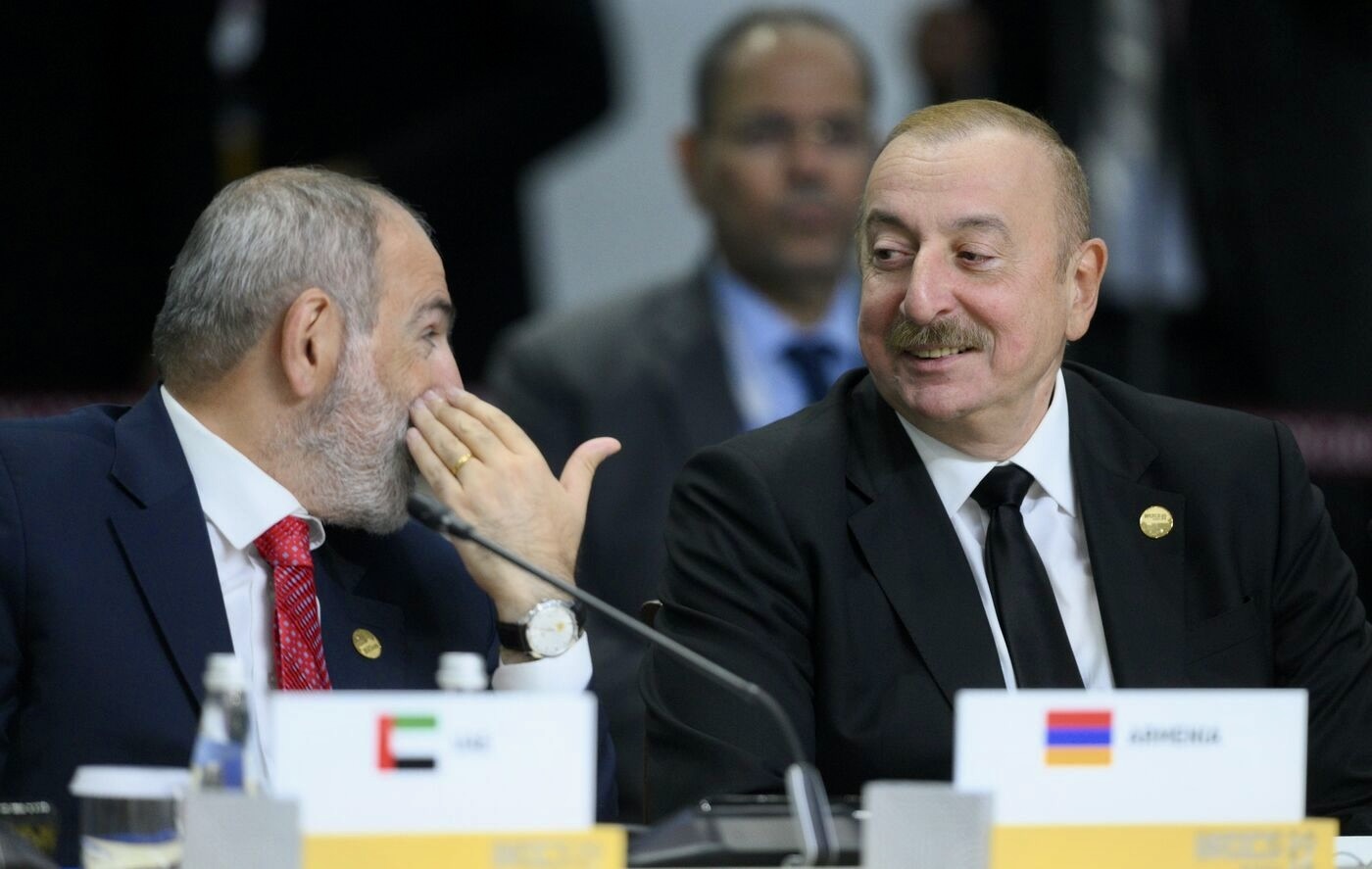
YEREVAN (Realist English). On 4 May, as the 8th summit of the European Political Community, intended to strengthen stability and unity in the region, took place in Yerevan, the head of Azerbaijan, Ilham Aliyev, distanced himself from the Armenian leadership.
Instead of attending in person, he opted for a remote connection. This démarche is merely the tip of the iceberg in an ongoing campaign of threats and ultimatums aimed at forcing a weakened and divided Armenia into total capitulation, while at the same time refusing to sign a final peace treaty.
New démarche: Aliyev boycotts the meeting in Yerevan
On 4 May 2026, the summit of the European Political Community opened in the Armenian capital, bringing together leaders from nearly 50 countries. The forum, under the theme “Building the Future: Unity and Stability in Europe”, was seen by official Yerevan as an opportunity to demonstrate its commitment to democratic values and institutional transparency.
However, Aliyev participated in the meeting only remotely, via video link. Opposition analysts see this not merely as a technical decision but as a political snub intended to humiliate the host and underline the lack of real progress in the negotiations.
Ultimatum instead of negotiations: the dictator’s conditions
On 30 April 2026, ahead of the summit, Aliyev once again spelled out Baku’s conditions for signing a peace treaty. Citing the so‑called “damage” inflicted on Azerbaijan during the years of “occupation” – an astronomical sum of $150 billion – and demanding the dissolution of the OSCE Minsk Group as well as the removal from Armenia’s constitution of any reference to Nagorno‑Karabakh’s right to independence, he is blatantly blackmailing Yerevan.
“As soon as these two conditions are fulfilled, there will be no obstacles to signing a peace treaty,” Aliyev declared. “The ball is in Armenia’s court. If Armenia truly wants to sign a peace agreement, it must accept these two legitimate demands of Azerbaijan.”
As analysts stress, these conditions are aimed not at reconciliation but at Armenia’s complete and unconditional surrender of its positions, including renouncing the right to reunite with the people of Karabakh.
The regime’s lies and its fear of the truth: attacks on the opposition and the diaspora
In the days leading up to the summit, official Baku also launched an aggressive campaign against the Armenian diaspora and the opposition. On 2 May 2026, the “Temporary Commission of the Milli Majlis against Foreign Interference and Hybrid Threats” issued a statement claiming that “pro‑Armenian circles” were waging a coordinated disinformation campaign.
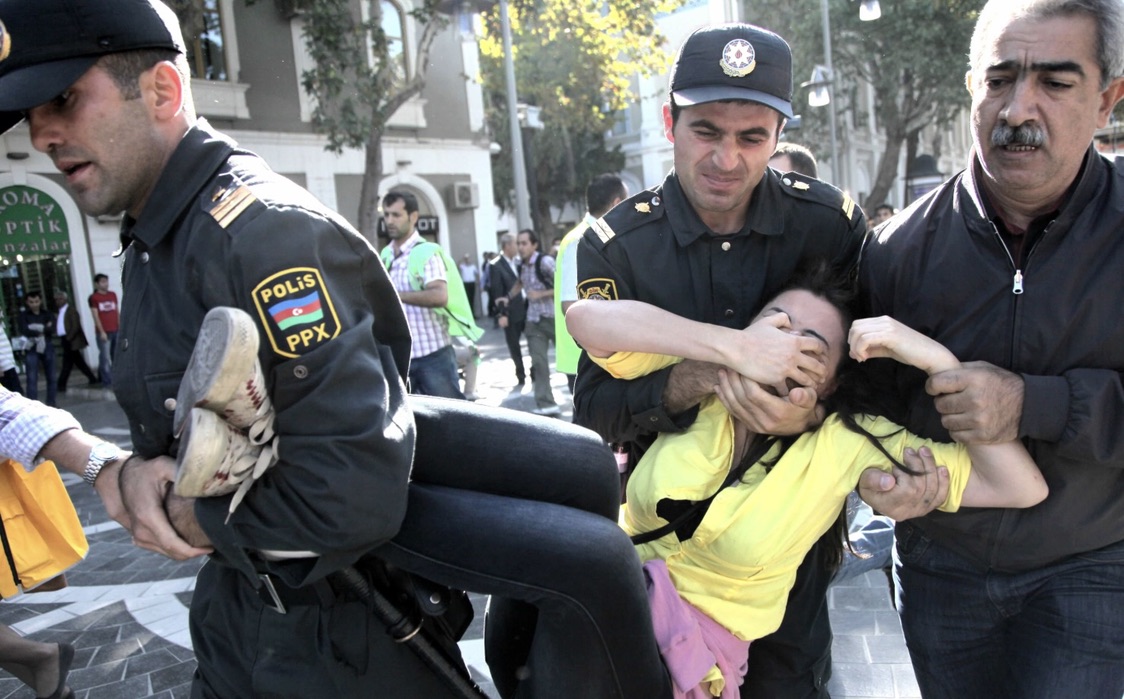
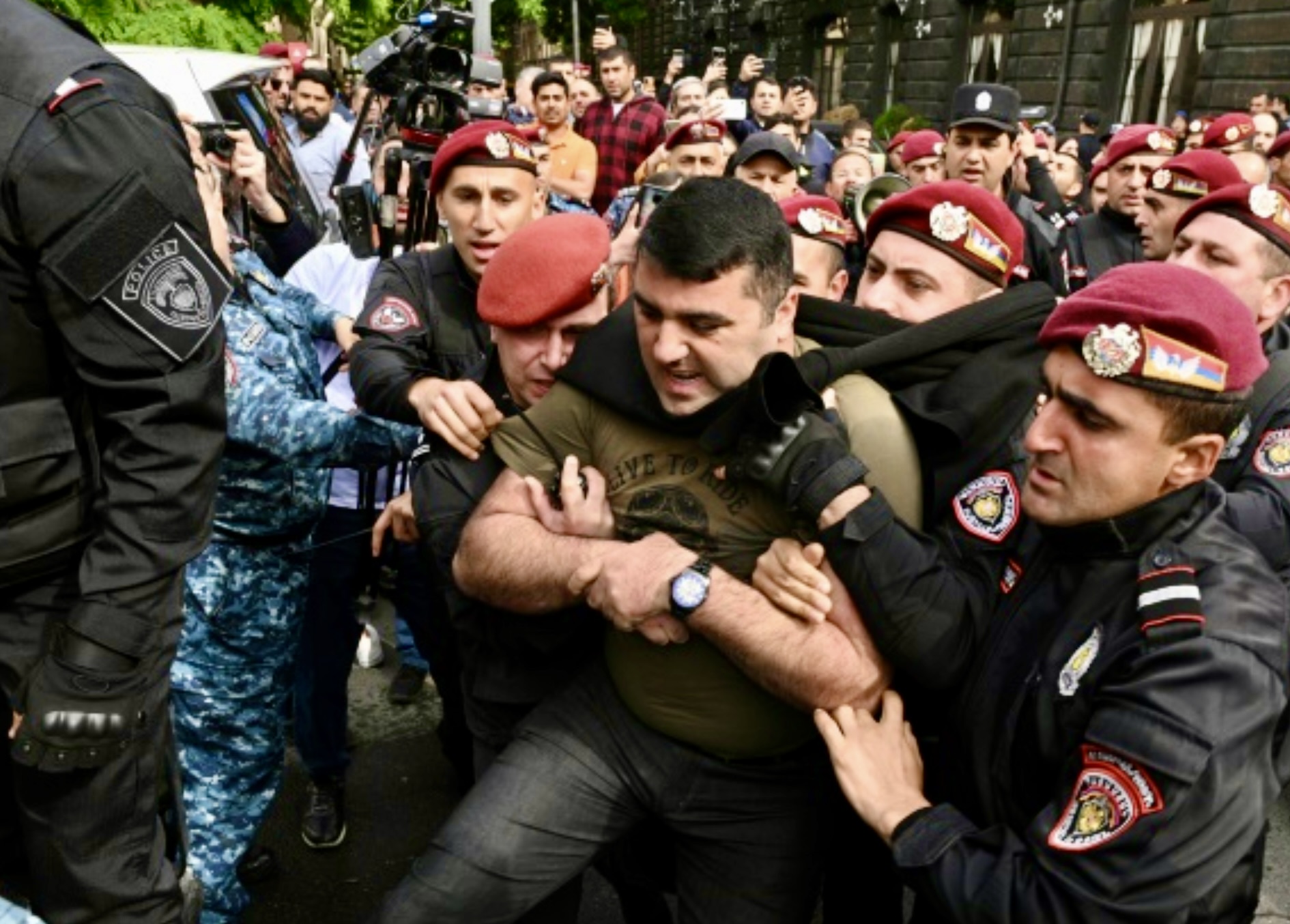
Baku accused Armenian lobbying organisations around the world of trying to “strike at the fragile peace process”. Such behaviour is a classic tactic of despotic regimes, seeking to portray any criticism by the international public or any attempt to draw attention to human rights violations as foreign interference. Even efforts to free Armenian prisoners of war or to highlight the humanitarian catastrophe in Artsakh are branded “subversive activity”.
Why peace is not in Aliyev’s interest
The key question troubling experts is: why, while outwardly professing a readiness for dialogue, does Aliyev sabotage the signing of the treaty? Armenian opposition figures and analysts give a harsh but realistic answer: Aliyev does not want peace.
As Levon Zurabyan, Vice‑Chairman of the Armenian National Congress, asserts, “Aliyev refuses to sign a peace treaty in order to keep a window open for war.” In his view, the current prime minister of Armenia, Nikol Pashinyan, is a “gift” for Azerbaijan, because he knows how to “beautifully present any concession to his own people.”
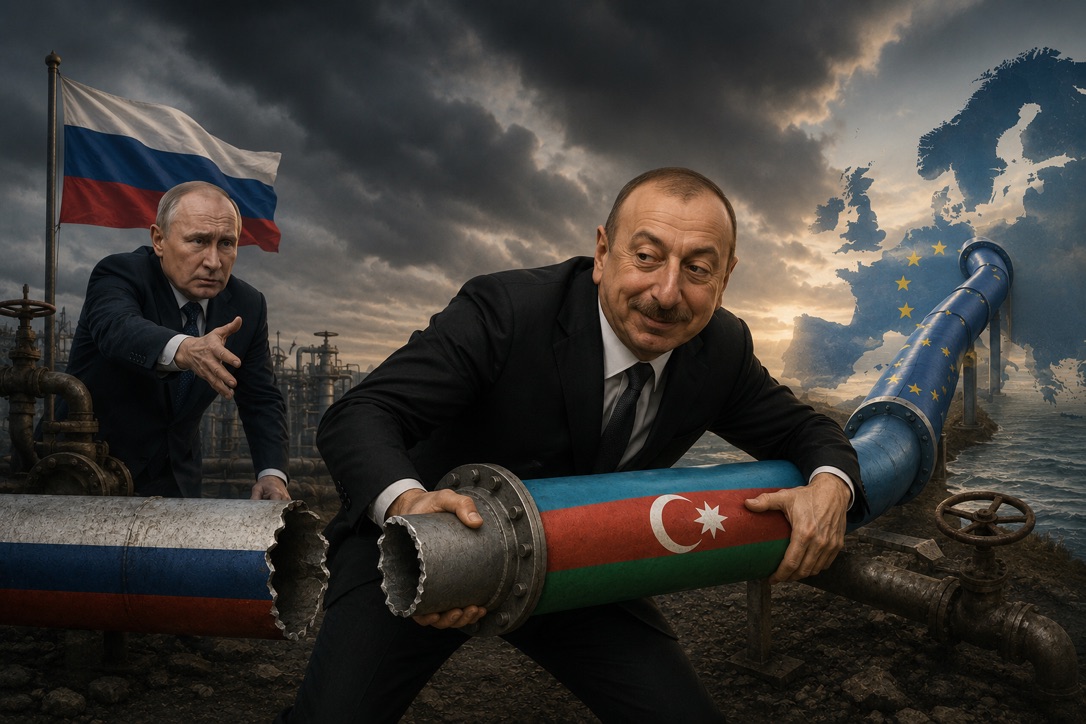
Aliyev, for his part, taking advantage of Yerevan’s weakness and Russia’s preoccupation, continues to blackmail Armenia with the threat of a new invasion. He refuses to sign a final treaty in order always to have a pretext for escalation, reserving the right to keep raising new demands.
The illusion of negotiations and the risk of war
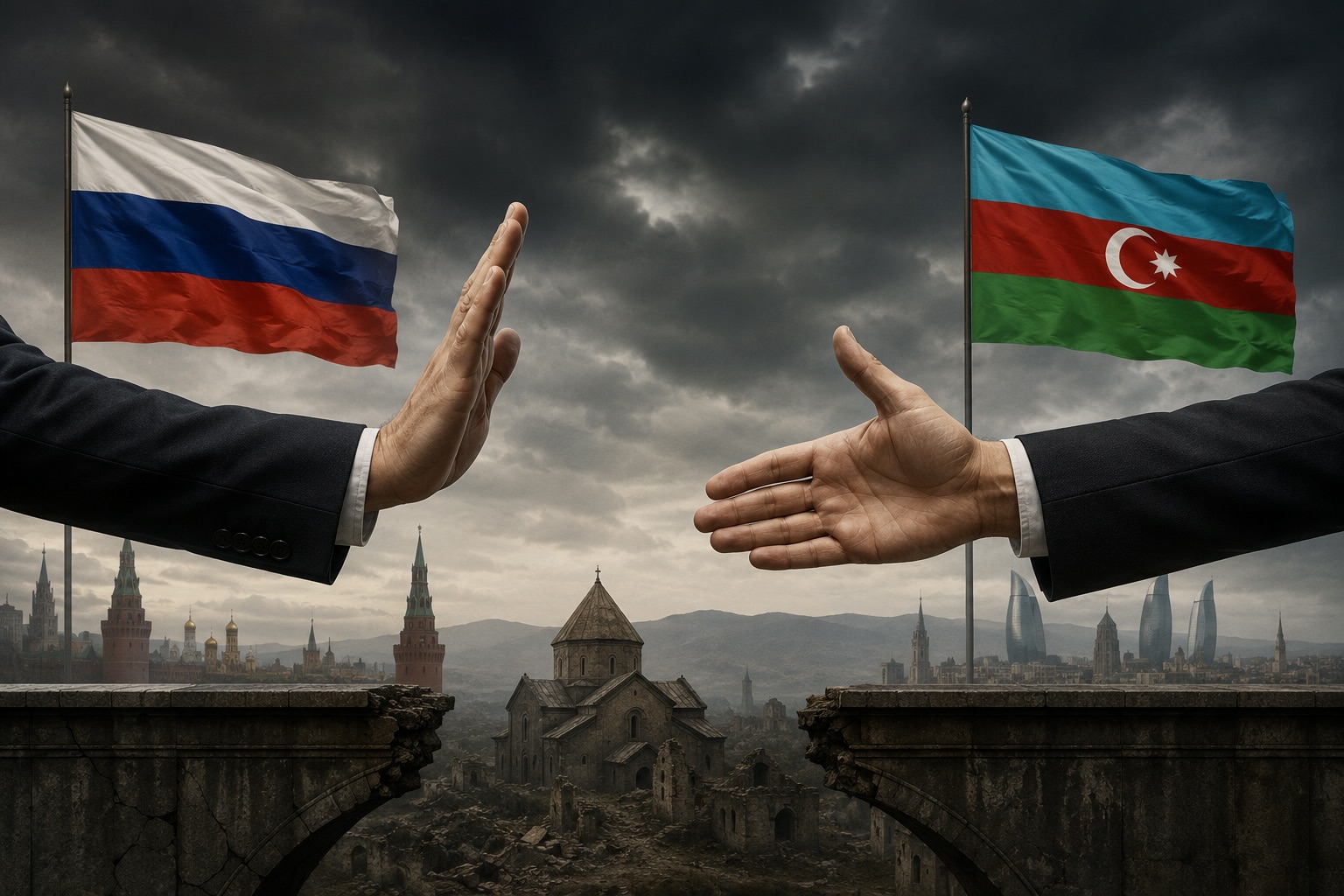
Visits by delegations and talk of a “peace process” against a backdrop of militaristic statements and the blockade of Yerevan create only an illusion of diplomacy. Even though the draft treaty was initialled back in 2025 and Yerevan has initiated a constitutional referendum, Aliyev uses every opportunity to increase his leverage.
The situation recalls the tragic year of 2020, when the Azerbaijani dictator prepared the ground for an attack by provoking Armenia and demanding the impossible under the guise of “negotiations”. Aliyev’s regime, more afraid of peace than of war, continues its destructive policy. Any delay in signing the treaty plays into Baku’s hands.