NEW DELHI (Realist English). India’s consumer inflation eased to 0.25% in October, coming in well below economists’ expectations and reinforcing hopes that the Reserve Bank of India (RBI) may have scope for additional policy easing in the months ahead.
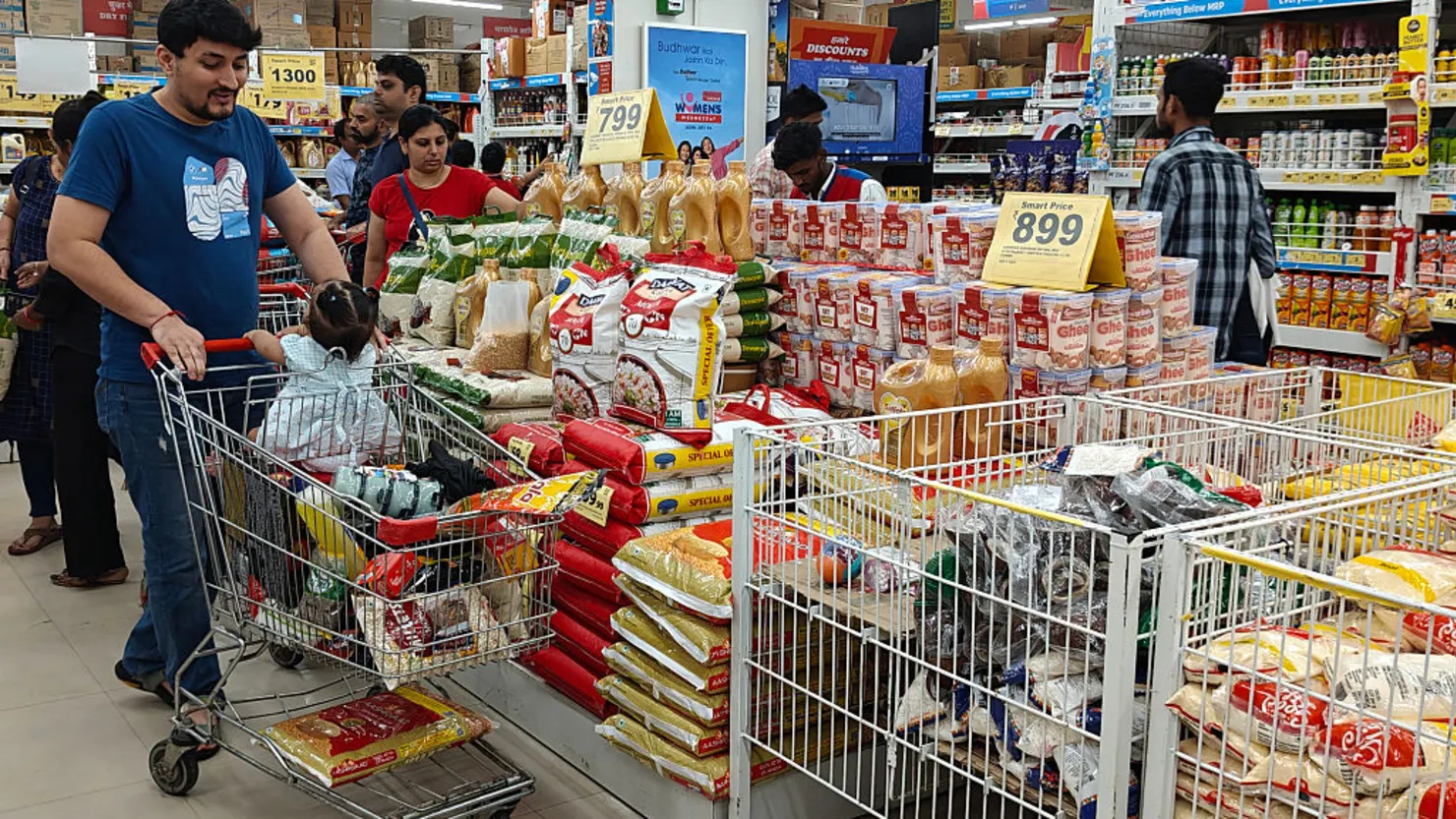
The figure undershot the 0.48% forecast in a Reuters poll and fell sharply from 1.54% in September. The decline, according to government data, reflects the impact of reduced GST rates, a favorable base effect, and falling prices across categories such as oils and fats, vegetables, fruits, eggs, footwear, cereals, transport and communication.
In October, the RBI cut its inflation forecast for the fiscal year ending March 2026 to 2.6% from 3.1%, but kept its key policy rate unchanged at 5%, arguing that the effects of its unusually large 50-basis-point rate cut in June were still working through the economy.
Despite the softer headline reading, the central bank has warned that India could “see growth decelerate” in the second half of fiscal 2026 due to external risks, including global trade volatility.
Anubhuti Sahay, head of India economic research at Standard Chartered, told CNBC that inflation is likely to rise again next year and stabilize near 4%, adding that the RBI may prefer to hold back further cuts for now. “There is no urgency for a rate cut in December,” she said, pointing to resilient growth and ongoing monetary transmission.
India’s outlook has also been dampened by the United States’ decision in August to impose an additional 25% tariff on Indian imports, lifting total duties on some products to 50%. The hardest-hit sectors — textiles, gems and jewelry, and marine products — are labor-intensive, raising concerns about employment losses and pressure on overall growth.
To counteract the impact and stimulate domestic demand ahead of the festive season, New Delhi reduced GST rates on a range of goods on September 22, lowering prices for consumer products, vehicles and agricultural items.
A report by Motilal Oswal on November 7 noted strong performance in the auto and jewelry sectors, while demand for footwear, paints, FMCG and textiles has shown mixed recovery.