TEHRAN (Realist English). Iran experienced widespread disruptions to internet connectivity on Thursday as protests against economic hardship intensified across the country. Internet monitoring group NetBlocks reported sharp drops in connectivity across multiple service providers, suggesting a coordinated digital blackout as demonstrations spread in Tehran and other major cities.
The unrest has already turned deadly. Two members of Iran’s security forces were killed during clashes with protesters in the western city of Kermanshah, according to the Hengaw Organization for Human Rights, citing Iranian state media. Rights groups say the overall death toll since protests began in late December has continued to rise.
The demonstrations have drawn international attention. Earlier on Thursday, Iran’s exiled crown prince Reza Pahlavi issued a warning to the Islamic Republic, saying that the world — including U.S. President Donald Trump — was closely watching events in Iran. “Suppression of the people will not go unanswered,” Pahlavi said in a statement circulated online.
Trump echoed the warning in an interview with conservative radio host Hugh Hewitt, saying that if Iranian authorities “start killing people,” the United States would “hit them really hard.” Asked about possible U.S. intervention given reports that more than 30 protesters have been killed, Trump said many deaths were linked to crowd-control incidents and argued that responsibility was not always clear.
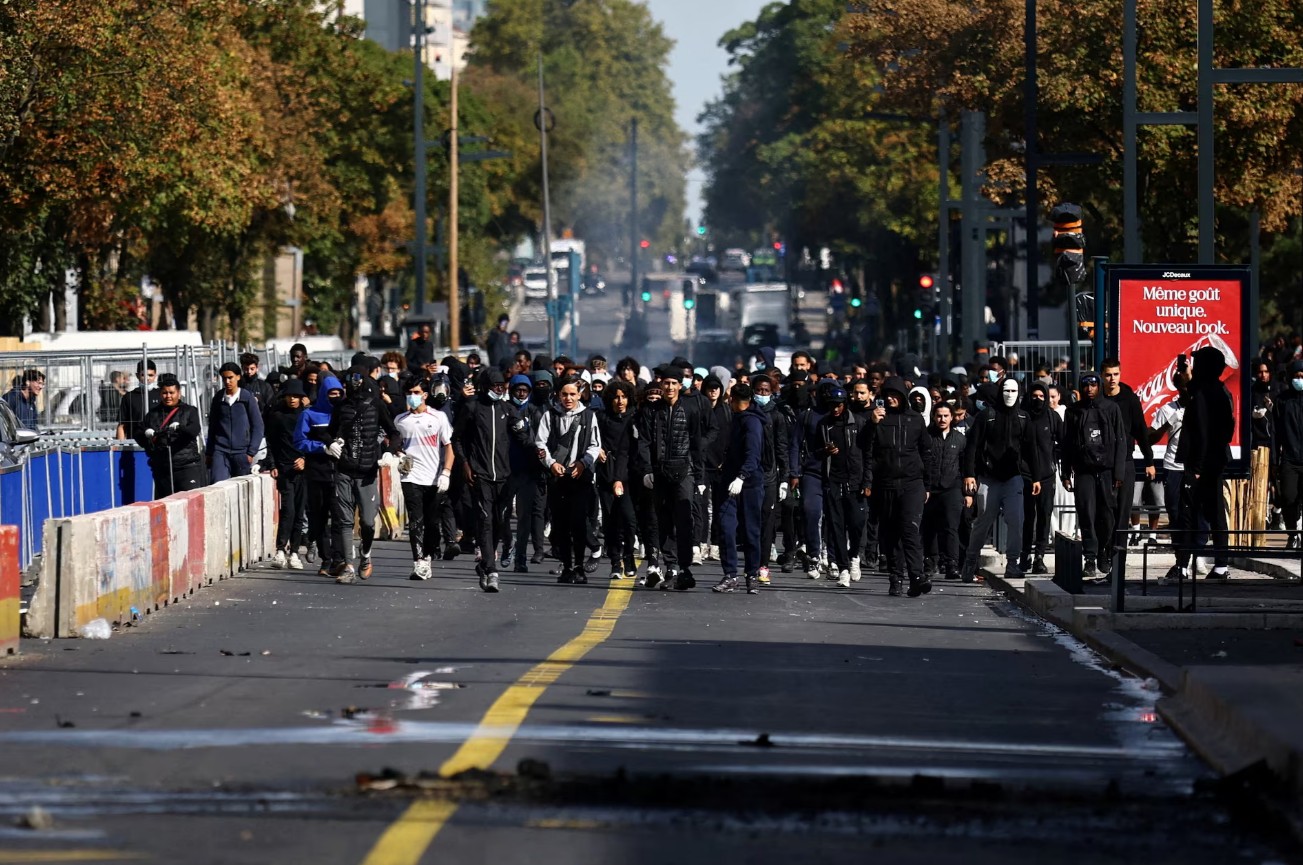
Despite disruptions to communications, videos circulated on social media showing large crowds of demonstrators gathering in cities including Tehran, Shiraz, Tabriz and Kermanshah. Footage shared by opposition-linked outlet IranWire showed protesters marching along major thoroughfares such as Kashani Boulevard in the capital, chanting anti-regime slogans as traffic ground to a halt.
On Wednesday, Pahlavi renewed calls for sustained nationwide protests, urging demonstrators to remain in the streets and warning that authorities could attempt to stifle unrest through internet shutdowns. He described participation earlier in the week as “unprecedented” and framed it as preparation for a new phase of coordinated protests.
The opposition figure specifically pointed to planned demonstrations involving synchronized chanting in the evenings, adding that reports suggested the government was “deeply frightened” and considering broader internet restrictions. He sought to reassure supporters that alternative channels — including satellite internet and Persian-language television broadcasts from abroad — would help maintain communication.
Iran has a history of using internet shutdowns during periods of unrest, often preceding harsher crackdowns. Near-total blackouts were imposed during the nationwide protests of November 2019 and again during demonstrations in 2022 following the death of Mahsa Amini in police custody.
According to human rights groups, at least 36 people have been killed since the latest protests erupted on December 28, including members of the security forces, while more than 2,000 people have reportedly been arrested. The government has yet to release comprehensive official figures.
As demonstrations continue and economic pressures mount, the combination of domestic unrest, tightened information controls and external warnings is placing the Iranian leadership under its most sustained pressure in years.