LONDON (Realist English). European equity markets opened in negative territory on Thursday, with the pan-European Stoxx 600 slipping about 0.3% in early trading as investors assessed heightened geopolitical risks and policy signals from the United States.
Market sentiment has been shaped this week by rising global tensions following Washington’s removal of Venezuelan President Nicolás Maduro and subsequent statements by U.S. President Donald Trump suggesting the possible use of force to secure control over Greenland. The developments have increased caution across risk assets.
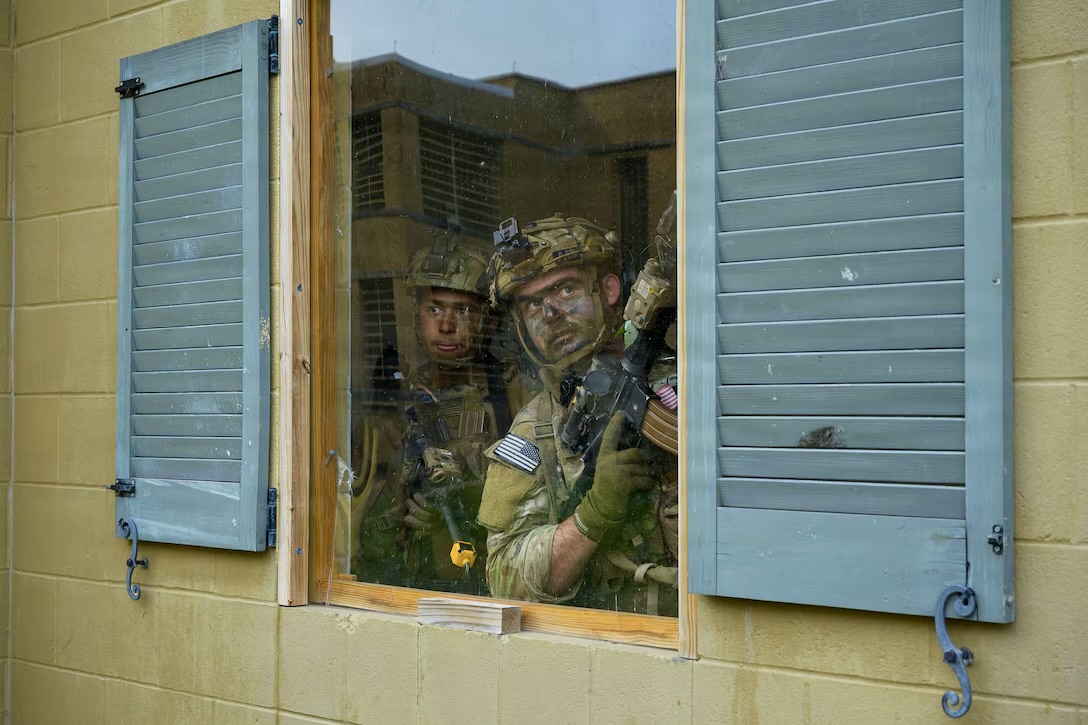
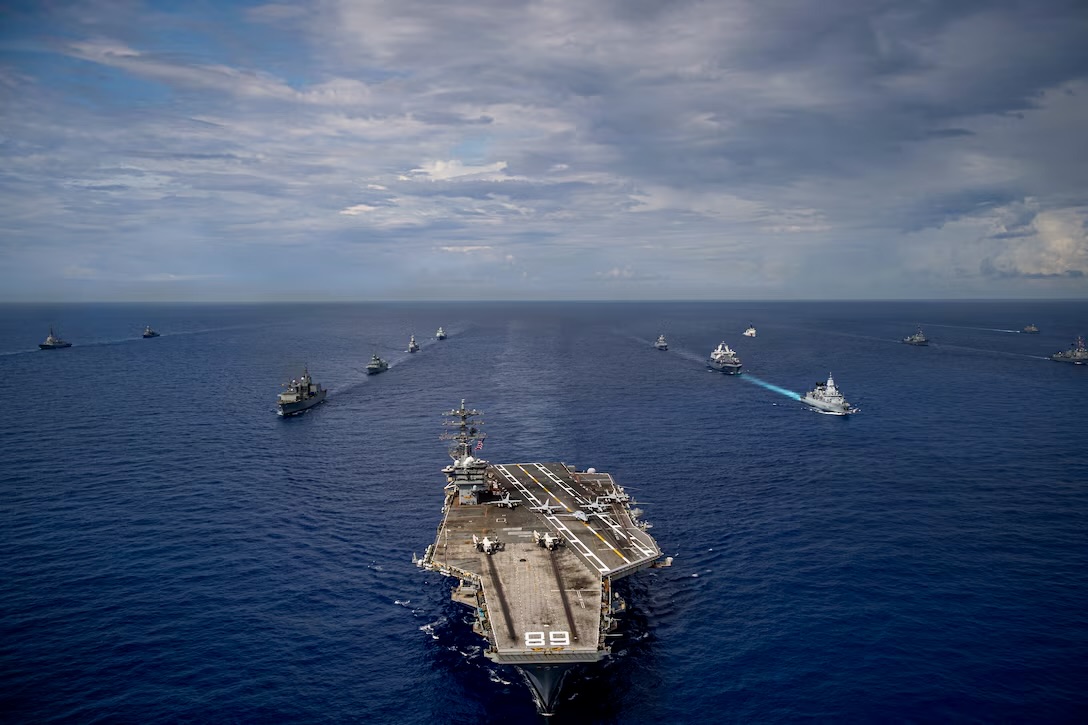
Against this backdrop, European defense stocks continued to outperform. Shares in companies such as Renk, Leonardo and Rheinmetall posted solid gains after Trump called for a 50% increase in U.S. military spending, targeting a defense budget of around $1.5 trillion by 2027. The Stoxx Europe Aerospace and Defense index added roughly 1.1%, putting the sector on course for a fifth consecutive session of gains.
Energy stocks, by contrast, moved lower for a second day. Investors reacted to speculation that U.S. companies could gain access to Venezuelan oil supplies, weighing on major producers. BP, Shell and Equinor all traded down in early European dealings. Brent crude futures for March were last seen near $60.15 a barrel, recovering slightly after dipping below $60 the previous day.
U.S. markets closed lower on Wednesday, while defense stocks there retreated after Trump said he would not allow defense companies to pay dividends or conduct share buybacks until concerns over executive pay and production issues are addressed.
European markets also remain on alert over Trump’s renewed rhetoric on Greenland. Regional leaders have pushed back against any U.S. takeover, while U.S. Secretary of State Marco Rubio is expected to meet Danish officials next week, downplaying the likelihood of military action.
Asian markets were mixed overnight, and U.S. stock futures were little changed. Investors are now awaiting a U.S. Supreme Court ruling on the legality of Trump-era tariffs, due on Friday, which could trigger further market volatility.