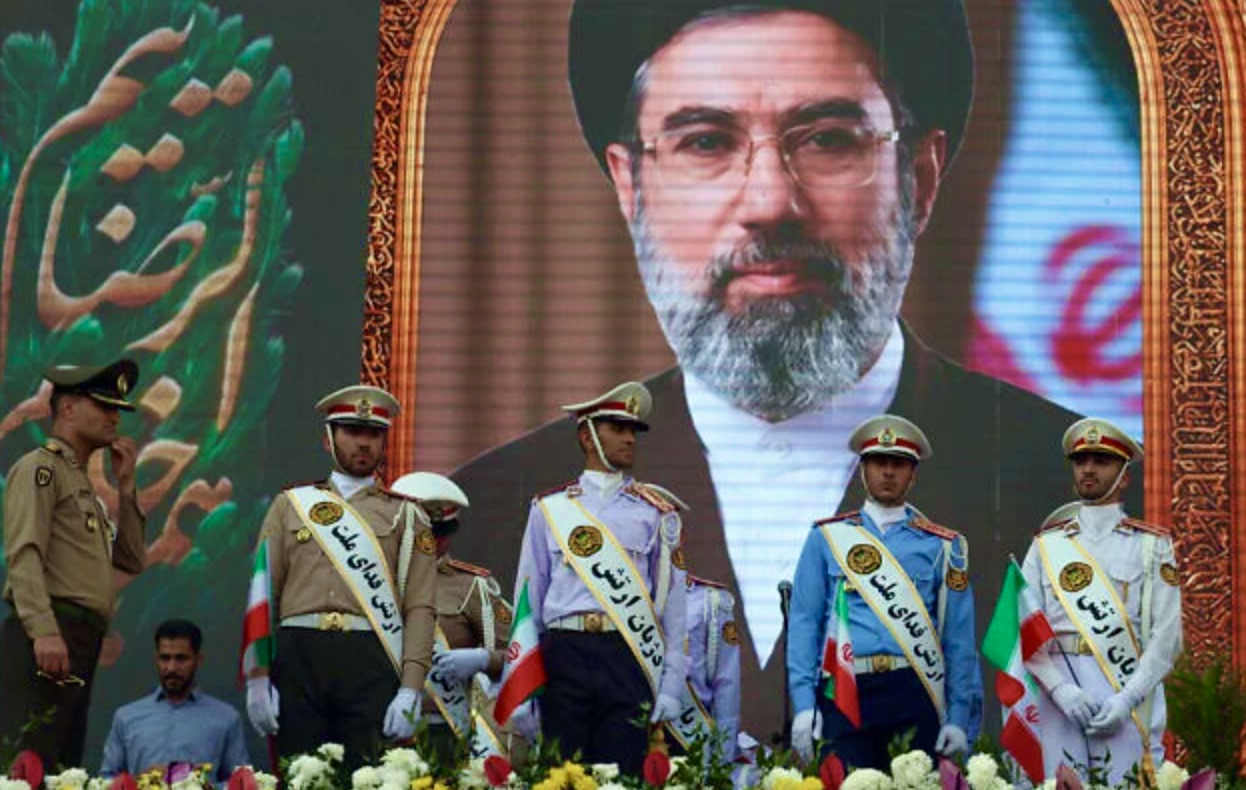
TEHRAN (Realist English). On the same day that Iran is conducting a multi‑day farewell ceremony for the slain Supreme Leader Ali Khamenei, Tehran found time for a sharp diplomatic démarche towards European powers.
On July 4, Iranian Deputy Foreign Minister Kazem Gharibabadi warned the United Kingdom and France against any military presence in the Strait of Hormuz.
At the same time, Israeli Prime Minister Benjamin Netanyahu and US President Donald Trump held a telephone conversation in which they agreed to meet in person.
Iran: ‘Hormuz Is Not a Place for Military Parades by Foreign Powers’
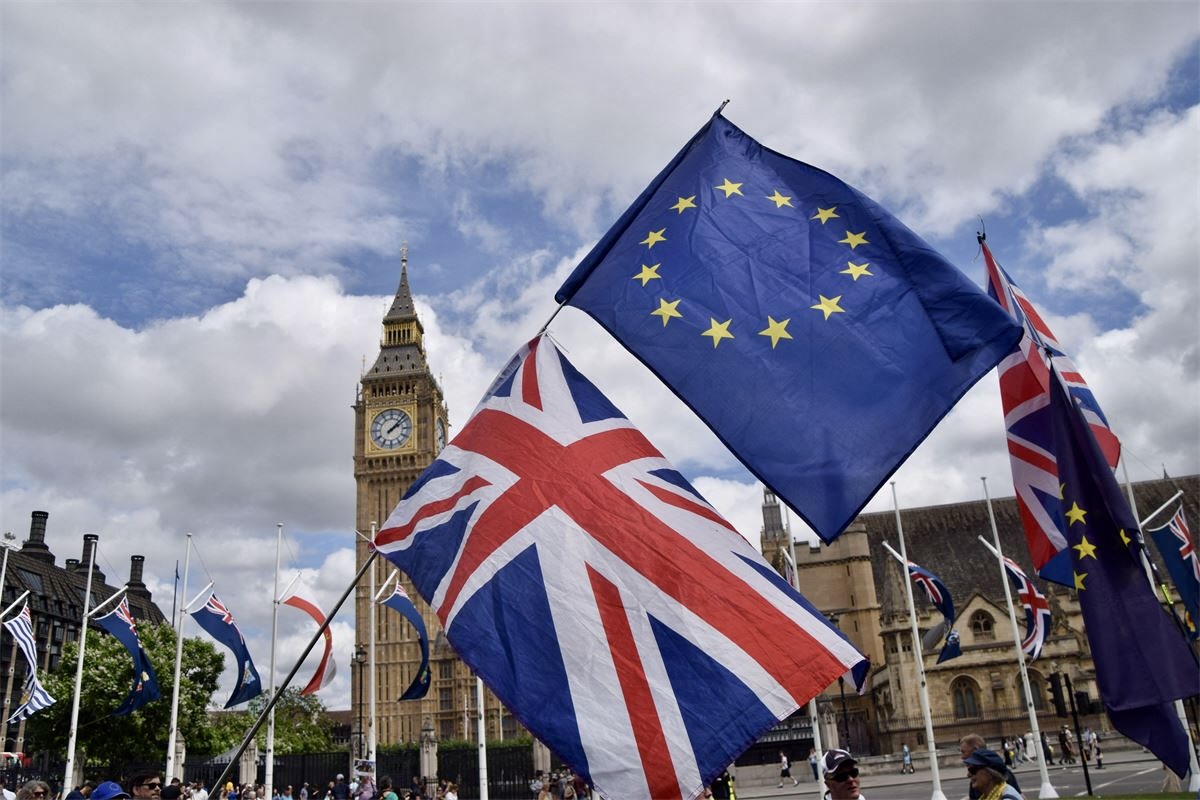
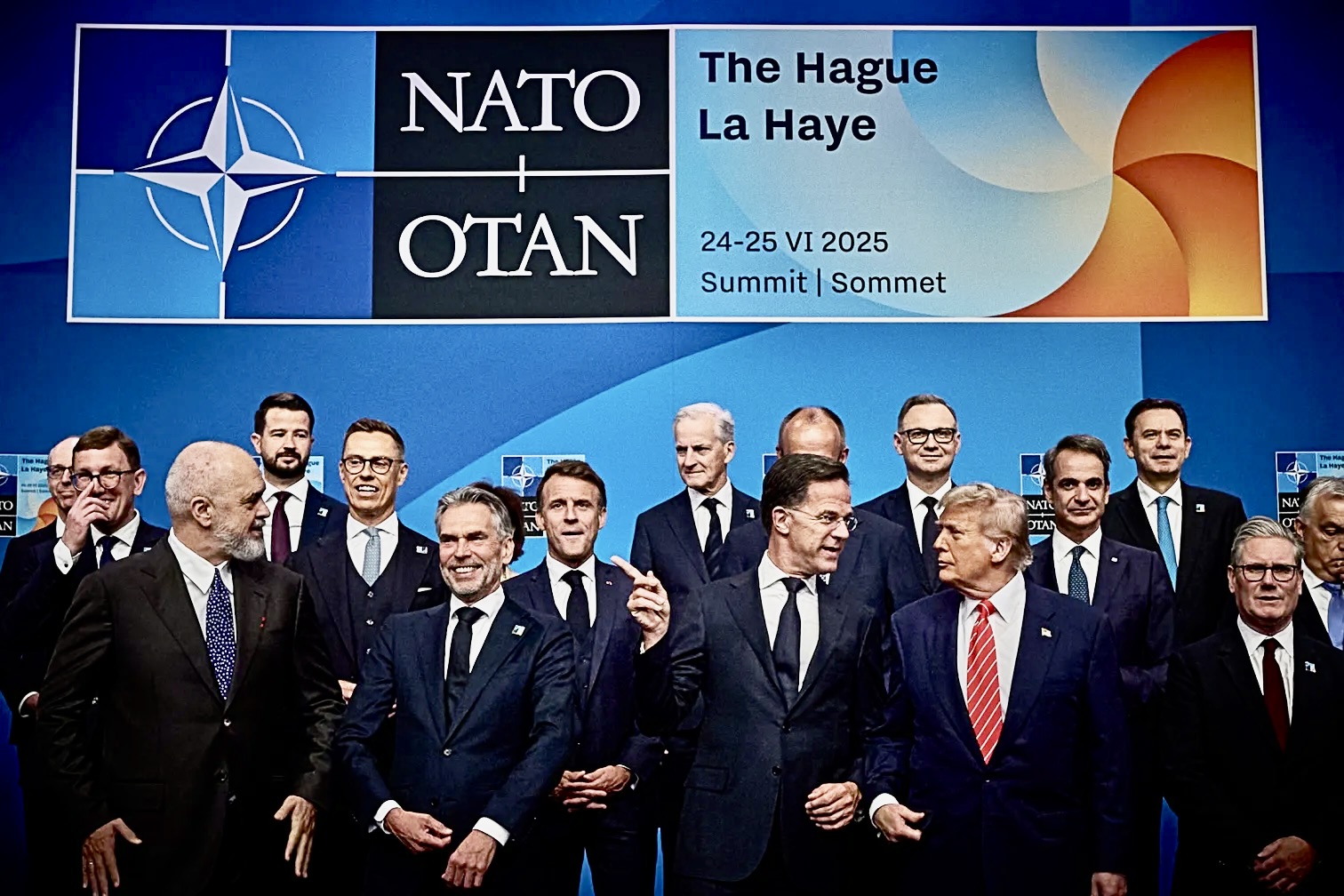
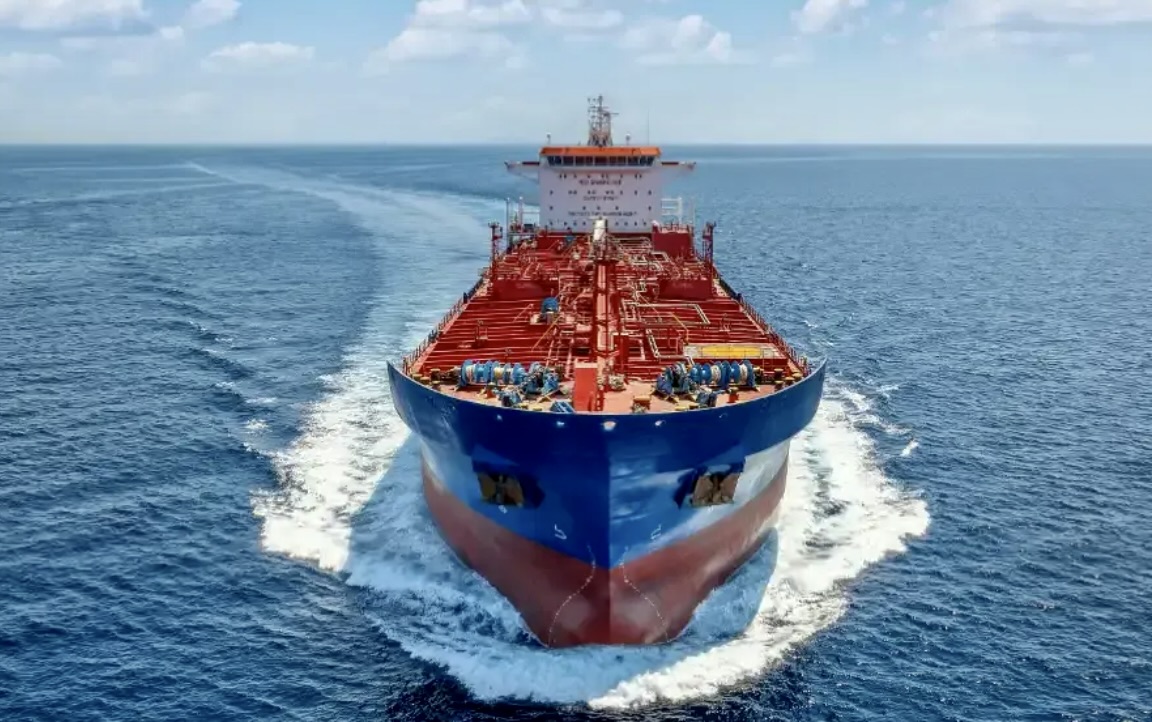
The reason for Gharibabadi’s sharp statement was the joint declaration by UK Prime Minister Keir Starmer and French President Emmanuel Macron on July 4. London and Paris announced that Oman had agreed to cooperate with them to ensure the security of shipping in its territorial waters. France has already deployed minesweepers in the region, accompanied by frigates, and has also stated its readiness to deploy a “broader multinational military mission.”
Tehran’s reaction was swift. On his X account, Gharibabadi stressed: “The Strait of Hormuz is not a place for military demonstrations by extra‑regional powers.” “Iran, as a responsible power and guarantor of the strait’s security, warns against any military action in this sensitive waterway,” the diplomat said.
“The security of Hormuz is a matter for the littoral states,” he added. “Crisis‑makers will be held accountable for the consequences of their adventures; this is a serious warning.”
Tehran also insists that, under the framework agreement between the US and Iran, responsibility for demining the strait lies exclusively with Iran, and any attempts at international involvement are seen as a “provocation.”
London and Paris’ Response: Freedom of Navigation as a Global Priority
In their joint statement, the UK and France called the Strait of Hormuz a “vital artery of the global economy” and the restoration of safe transit a matter of “global concern.” “The Sultanate of Oman has agreed to cooperate with the United Kingdom and France to ensure the security of its sovereign territorial waters,” the declaration states.
Macron spoke of “positive developments” after “constructive talks” with Oman’s Sultan. He confirmed that the aircraft carrier Charles de Gaulle is returning to Toulon, but “mine‑countermeasures vessels and their escort remain deployed and ready to intervene alongside partners.”
Netanyahu and Trump: An Attempt to Thaw Relations
Amid tensions in the Strait of Hormuz and lingering disagreements over Lebanon, the Israeli Prime Minister and the US President held a telephone conversation on July 3. According to a statement from Netanyahu’s office, the leaders “agreed to meet soon in the United States.”
During the conversation, Netanyahu congratulated Trump on the 250th anniversary of US Independence Day and stressed that “the United States guarantees the freedom of the entire world, and Israel greatly values the close ties between our nations.”
The call came amid reports of strained relations between the leaders. Trump had publicly criticised Netanyahu in recent weeks over Israel’s campaign against Hezbollah in Lebanon, which Washington believed was threatening peace talks with Iran.
Israel, however, confirmed that it would maintain its military presence in the “security zone” in southern Lebanon without time limits.
July 4 became a day of diplomatic demarches and attempts to smooth over contradictions. Iran delivered a harsh warning to the UK and France, seeking to maintain its monopoly over the Strait of Hormuz.
At the same time, Netanyahu and Trump, despite lingering disagreements, demonstrated their willingness to engage in dialogue. The question of whether Washington can maintain a balance between containing Iran and preserving its alliance with Israel remains open.