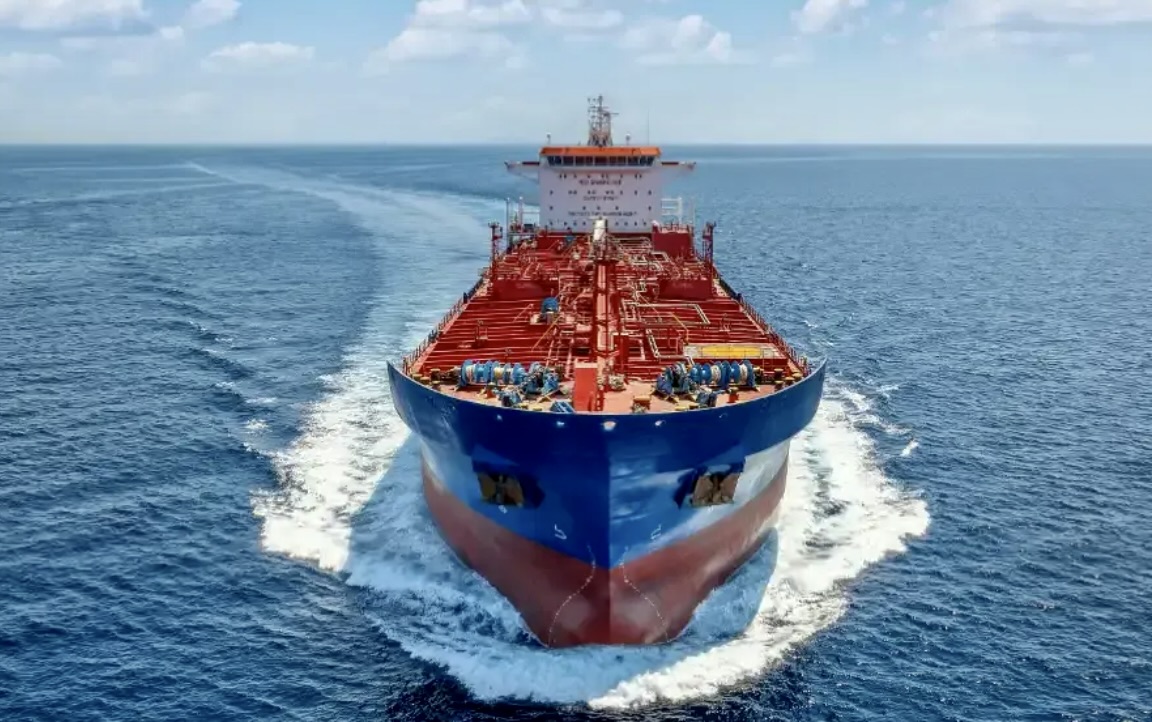
LONDON (Realist English). The interception of the Russian tanker Smyrtos by the UK Royal Marines in the English Channel on June 14, 2026, marked a turning point in the confrontation with Moscow’s “shadow fleet.”
Within hours of the operation, at least six sanctioned vessels heading toward the strait turned around or changed course. At least 12 more tankers have since the beginning of the year chosen a longer route around the British Isles.
According to the UK Ministry of Defence, the shadow fleet of more than 700 tankers transports 75% of sanctioned Russian oil, providing the Kremlin with revenue to fund its war in Ukraine.
Operation in the Channel: The First Such UK Intervention
On the night of June 14, units of the Royal Marines and officers of the National Crime Agency (NCA), supported by Chinook helicopters and Royal Air Force aircraft, conducted a six‑hour operation to intercept the tanker Smyrtos in international waters of the English Channel.
The vessel was sailing from the Russian port of Ust‑Luga under the flag of Cameroon. It had previously been placed on UK, US and EU sanctions lists in July 2025 and had changed its name twice — from Myrtos to Smyrtos.
During the operation, the 38‑year‑old captain of the tanker, Indian national Ajay Pant, was arrested and charged with breaching the sanctions regime. The 24 crew members — citizens of Georgia and India — remained on board and are assisting with the investigation. The vessel has been towed to the coast of Weymouth and is being held by UK authorities.
Prime Minister Keir Starmer said: “This successful operation deals another blow to Russia and reminds those who fuel Putin’s war in Ukraine that we will not allow them to hide.” Ukrainian President Volodymyr Zelensky thanked the UK for “an important step against the Russian oil fleet.”
Panic in the Strait: Six Tankers Flee Within 77 Minutes
The interception of the Smyrtos triggered an immediate reaction among shadow fleet vessels. According to an analysis by The i Paper, within hours of the operation, over a span of 77 minutes, at least six sanctioned tankers altered course to avoid passing through the Channel.
Three vessels — Lion I, Sona and Qasr — made sharp turns and headed back toward Scandinavia and Russia. Three other tankers — Pate, Maini and C‑Viking — adjusted course westward, toward Ireland. All these vessels, sailing under the flags of Sierra Leone and Cameroon, appear on UK sanctions lists.
Systematic Bypass: A Longer but Safer Route
This panic was not incidental. At least 12 sanctioned tankers had already been systematically avoiding the Channel long before the Smyrtos interception, preferring a longer route around the UK along the outer edge of its exclusive economic zone.
According to analytics firm Windward, over the past 30 days, 84 sanctioned tankers passed through the Channel: 44% under the flag of Sierra Leone, 19% under Cameroon and 18% under Russia. However, some vessels have already begun choosing the bypass route. Among them: Ocean II, Sun, Destamar, Ji Hang, Oneiroi and others.
The reason is tightened controls. The UK Coast Guard now regularly contacts passing vessels to verify flag and insurance documents. A vessel with a “false flag” is considered “stateless” and may be lawfully stopped and searched.
A New Challenge: Russian Warships Escort Tankers
Russia, for its part, has begun openly demonstrating military support for the shadow fleet. On June 16, the Russian corvette Boyky met the sanctioned tanker Sierra in the Mediterranean and escorted it through the Strait of Gibraltar and the English Channel into the North Sea.
They were joined by a second sanctioned tanker, Selva, sailing under the flag of Palau. The three‑day passage through the Channel under military escort was an overt show of force and a test of Western resolve.
Earlier, in May, a similar incident occurred in the Baltic Sea: Estonia attempted to intercept the tanker Jaguar, but Russia scrambled a Su‑35 fighter to cover it. Finnish Defence Minister Antti Häkkänen warned that Russian military escort of shadow tankers in the Gulf of Finland could become routine practice.
The interception of the Smyrtos sent a signal that changed the behaviour of Russia’s shadow fleet. Tankers are leaving the Channel, choosing longer routes, while Moscow responds with military escorts, raising the stakes in the standoff at sea.
The West, for its part, is demonstrating readiness for direct action against sanctioned vessels. This game of “maritime chess” will shape the dynamics of the war in the coming months.