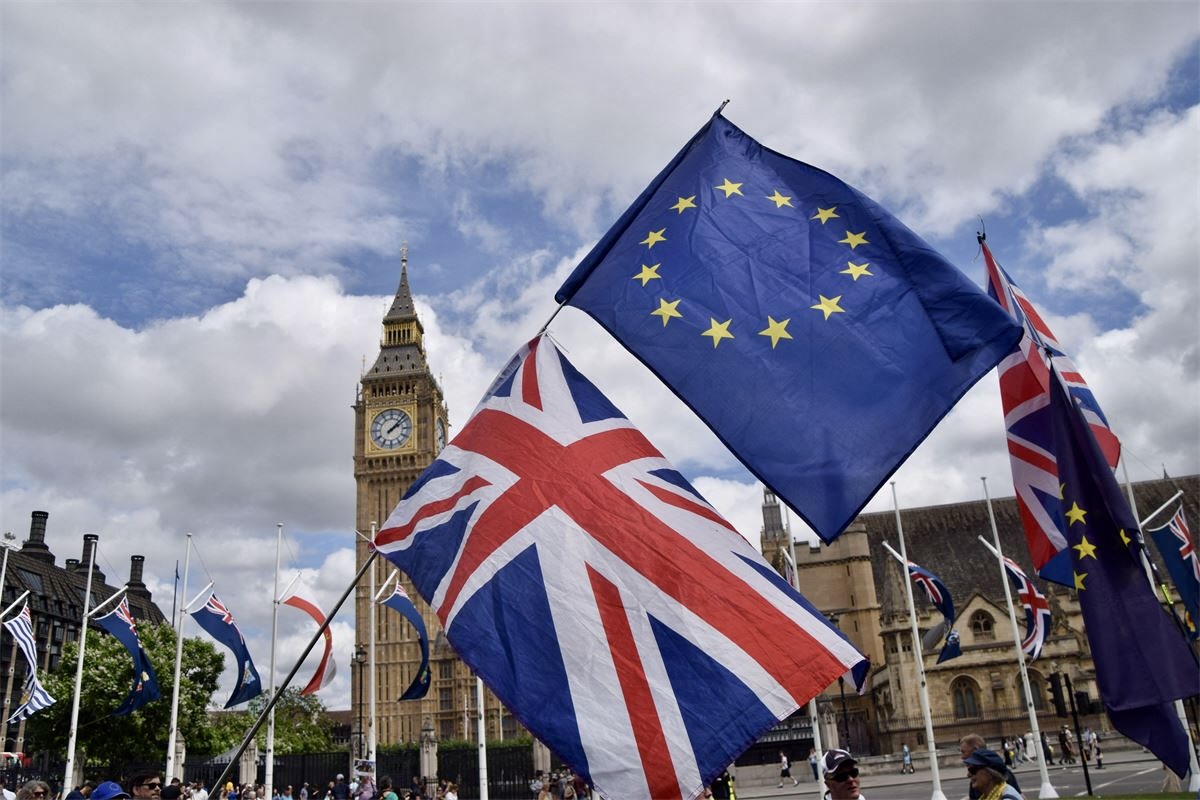
BRUSSELS (Realist English). Britain’s attempt to gain voting rights in key European Union committees has met with stiff resistance from Brussels.
According to Bloomberg, citing informed sources, London is seeking participation in structures that finalise rules on agriculture, product quality standards, as well as carbon and electricity markets — in all areas where the UK has agreed to harmonise its standards with the continent.
However, the European Commission, during a meeting with member state ambassadors, stressed that the current withdrawal agreement does not grant London the right to such participation.
Granting the UK seats on committees, in Brussels’ view, would give it more privileges than countries like Norway and Iceland, which contribute to the EU budget and fully participate in its single market. A number of member states have firmly opposed giving the British any authority in the decision‑making process.
Disputes Over Carbon Markets and Youth Mobility
Beyond the committee seat issue, the sides have been unable to agree on several other sensitive topics. Talks on linking the UK and EU emissions trading systems have stalled due to disagreements over free allowances and emission caps.
Brussels opposes London’s plan to issue additional free allowances to heavy industry, fearing it would give British producers an advantage over EU competitors.
Another sticking point is the youth mobility programme. Brussels wants London to increase its proposed participant limit and insists that young Europeans be exempted from the £776 annual fee for access to the British healthcare system.
Nine member states also want the UK to reduce tuition fees for EU students. In addition, Britain’s attempts to join the EU defence fund have been unsuccessful.
Summit Postponed Amid Political Crisis
The negotiating process is further complicated by the internal political situation in the United Kingdom. Following the recent resignation of Prime Minister Keir Starmer, key consultations have been delayed.
The EU-UK summit, scheduled for July 22 to formalise a “reset” of relations, has been postponed. It is now expected to take place no earlier than October.
The delay, according to sources, has already affected negotiations in several areas, including an electricity trading agreement and the creation of a €4 billion investment fund for fast‑growing companies.
London Insists on ‘Right to Shape Decisions’
Despite the rejection, the UK continues to insist that, as part of the “reset,” it should have a say in shaping new EU policies. The British government justifies this by pointing to its course of restoring relations with the EU, boosting trade and reducing bureaucratic barriers.
As Minister for European Affairs Nick Thomas‑Symonds earlier stated, “in some cases, aligning our standards with the EU is in our national interest, and we will have the right to shape decisions when new EU policies are being developed.”
However, the European Commission has indicated that it does not rule out involving British experts in technical‑level discussions, similar to other partners, including Switzerland.
Brussels consistently rejects any attempt by the British side to gain influence over internal EU processes without formal membership.
London’s attempt to regain leverage over EU processes, six years after leaving the bloc, has run into Brussels’ principled position of defending the member states’ exclusive right to make decisions.
In the absence of a unified position and amid the political crisis in Britain, the “reset” of relations sought by the Labour government has been postponed indefinitely.