BAKU (Realist English). Azerbaijan continues its systematic suppression of the opposition and civil society.
According to human rights organisations, the number of political prisoners in the country has reached 340, and arrests of journalists, activists and opposition politicians show no sign of stopping.
International bodies – from Amnesty International to the European Parliament – document a worsening human rights situation, but the authorities in Baku not only reject criticism but also demonstratively break off dialogue with European institutions.
Statistics of violations: 340 political prisoners and dozens of journalists behind bars
According to an updated list of political prisoners prepared by human rights defenders in January 2026, Azerbaijan has 340 people recognised as political prisoners. This number includes:
- Leaders of opposition parties, deputies and public figures.
- 94 journalists and bloggers (according to other sources, 103), including employees of independent outlets such as Abzas Media, Meydan TV and others.
- Dozens of Shiite believers arrested for holding religious gatherings, which the authorities regard as a threat to national security.
In 2025, courts sentenced many of them to long prison terms and large fines. Human rights defenders note that the articles under which journalists are arrested are often absurd (small amounts of smuggling, illegal entrepreneurial activity), which calls their validity into question.
Suppression of protests and arrest of activists
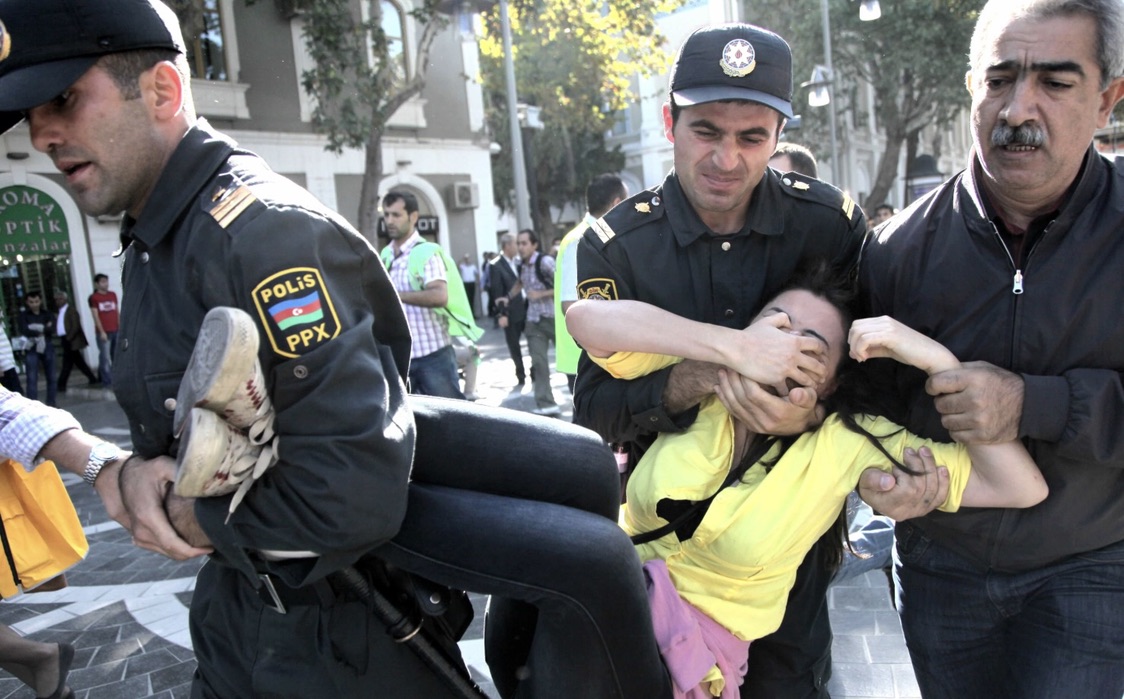
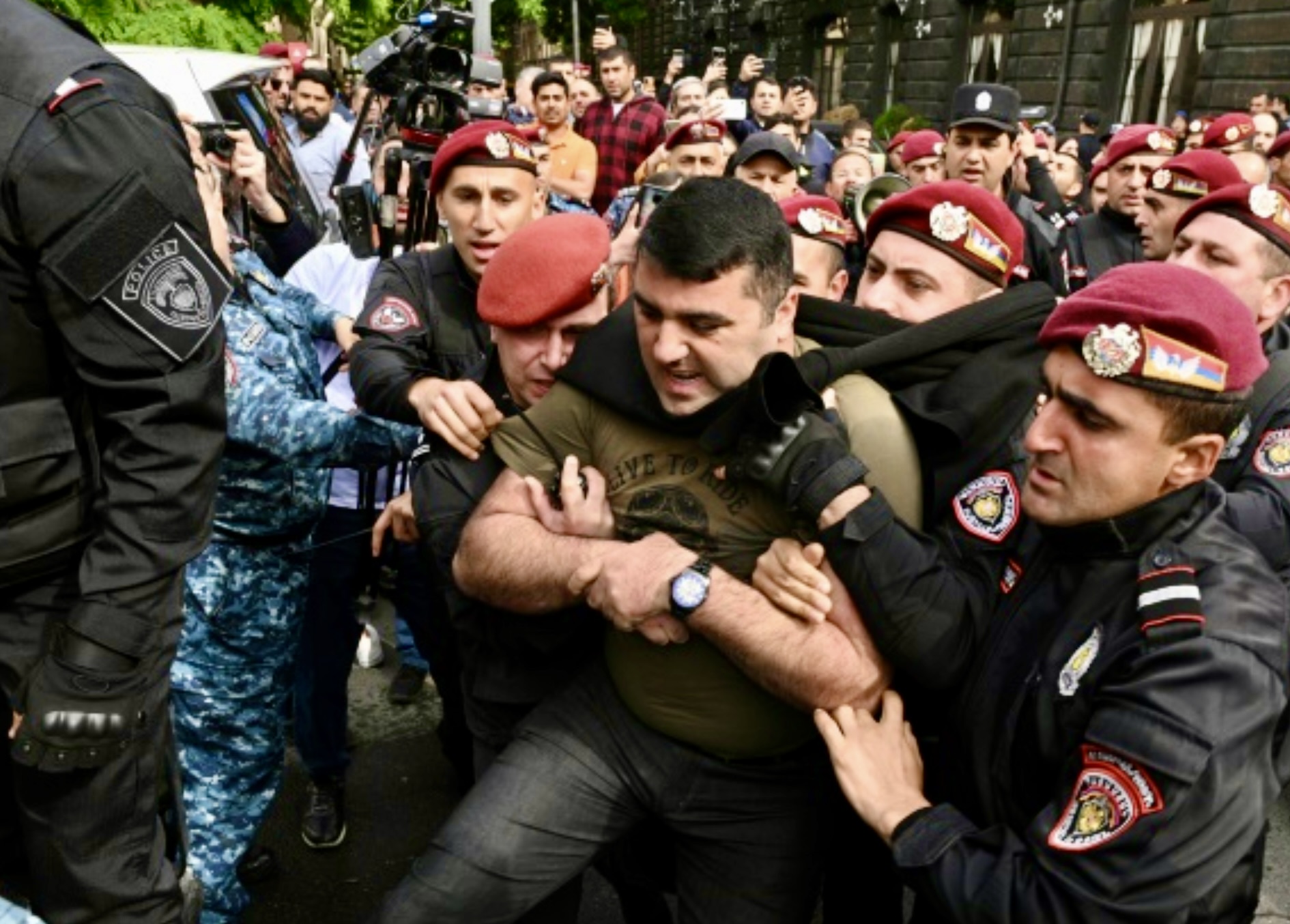
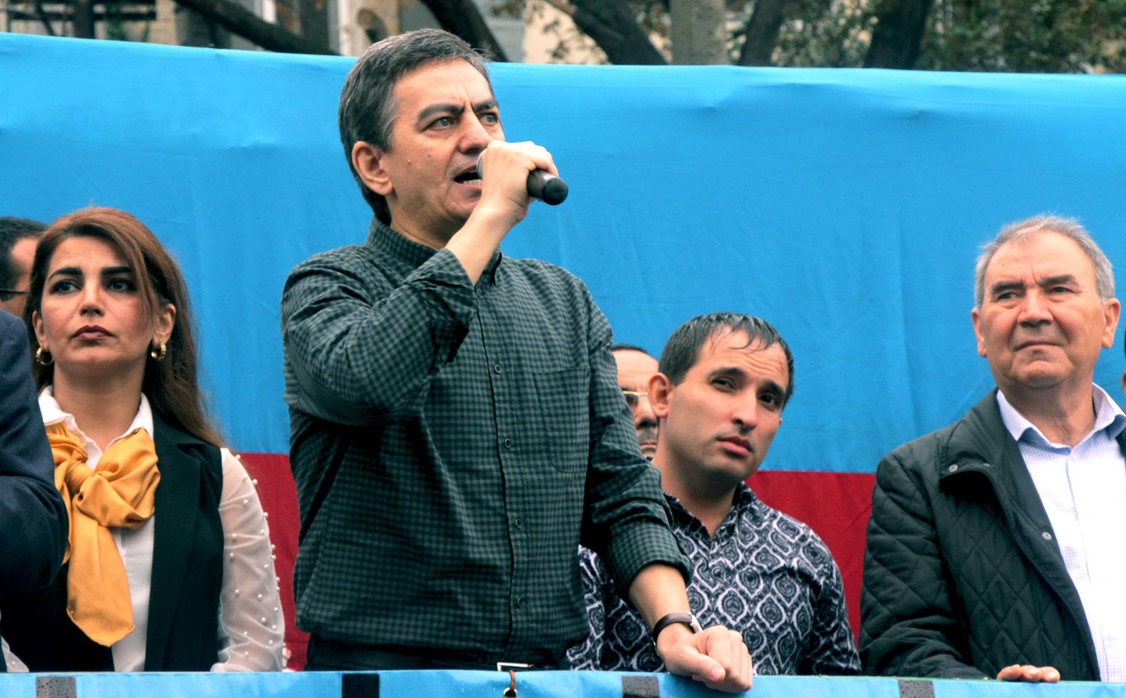
On 1 April 2026, police in the centre of Baku prevented an attempt by the opposition bloc “Freedom” to hold an unauthorised rally. Supporters of the bloc, who had demanded democratic parliamentary elections, were blocked and could not reach the square; arrests took place.
On fabricated charges, the chairman of the Popular Front Party of Azerbaijan (PFPA), Ali Kerimli, remains under arrest. His daughter, Sezanne Kerimli, said: “The case lacks any defendants from the security forces or military, without which a coup d’état is in principle impossible.”
Reports by Amnesty International and HRW: torture, impunity and repression
Amnesty International, in its annual report for 2025–2026, states: “Repression is deepening.” The authorities ruthlessly suppress any dissent, and hundreds of people are held in custody on unfounded, politically motivated charges. The report also notes the suppression of peaceful protests, the widespread use of torture and ill‑treatment, and a culture of impunity.
About 30 media workers remain behind bars, and dozens of journalists and activists are subject to undeclared travel bans.
Human Rights Watch (HRW) reports that the government has intensified repression against independent media, political opponents and civil society. By August 2025, the authorities had detained at least 12 journalists. Torture and ill‑treatment in places of detention continue with impunity.
In April 2026, HRW submitted a memorandum to the UN Committee against Torture, calling on it to demand that Baku stop the repression, stressing that detainees and arrested persons are subjected to torture. In addition, the authorities continue to violate the right to return for Armenian refugees.
Reaction of the European Parliament and rupture of relations with the EU
On 30 April 2026, the European Parliament adopted a resolution condemning systematic human rights violations in Azerbaijan and called for the immediate release of all political prisoners. In response, the Milli Majlis (Azerbaijan’s parliament) announced a complete cessation of cooperation with the European Parliament in all areas. The authorities also summoned the EU ambassador to the Foreign Ministry.
Systematic suppression and impunity
The policy of the Azerbaijani authorities towards the opposition and civil society is characterised by systematic repression, refusal of dialogue and almost total impunity. The authorities use the entire arsenal of means – from arrests and criminal prosecution on trumped‑up charges to pressure through laws restricting the activities of foreign media and NGOs.
Despite criticism from the international community and calls to free political prisoners, Baku has not only failed to change course but has demonstratively broken off cooperation with European structures.