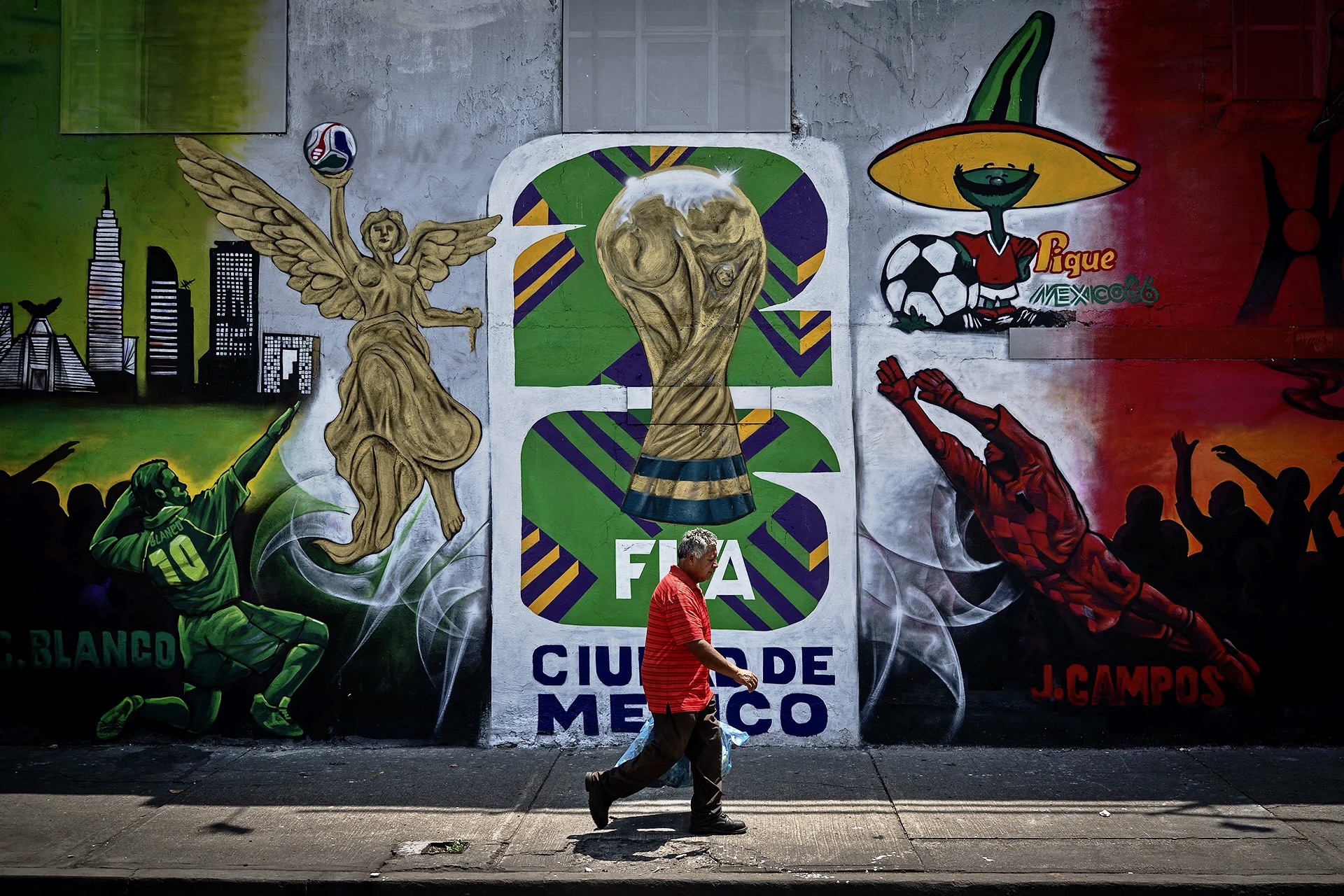
WASHINGTON (Realist English). The 2026 FIFA World Cup, kicking off on June 11, promises to be the most politicized in history.
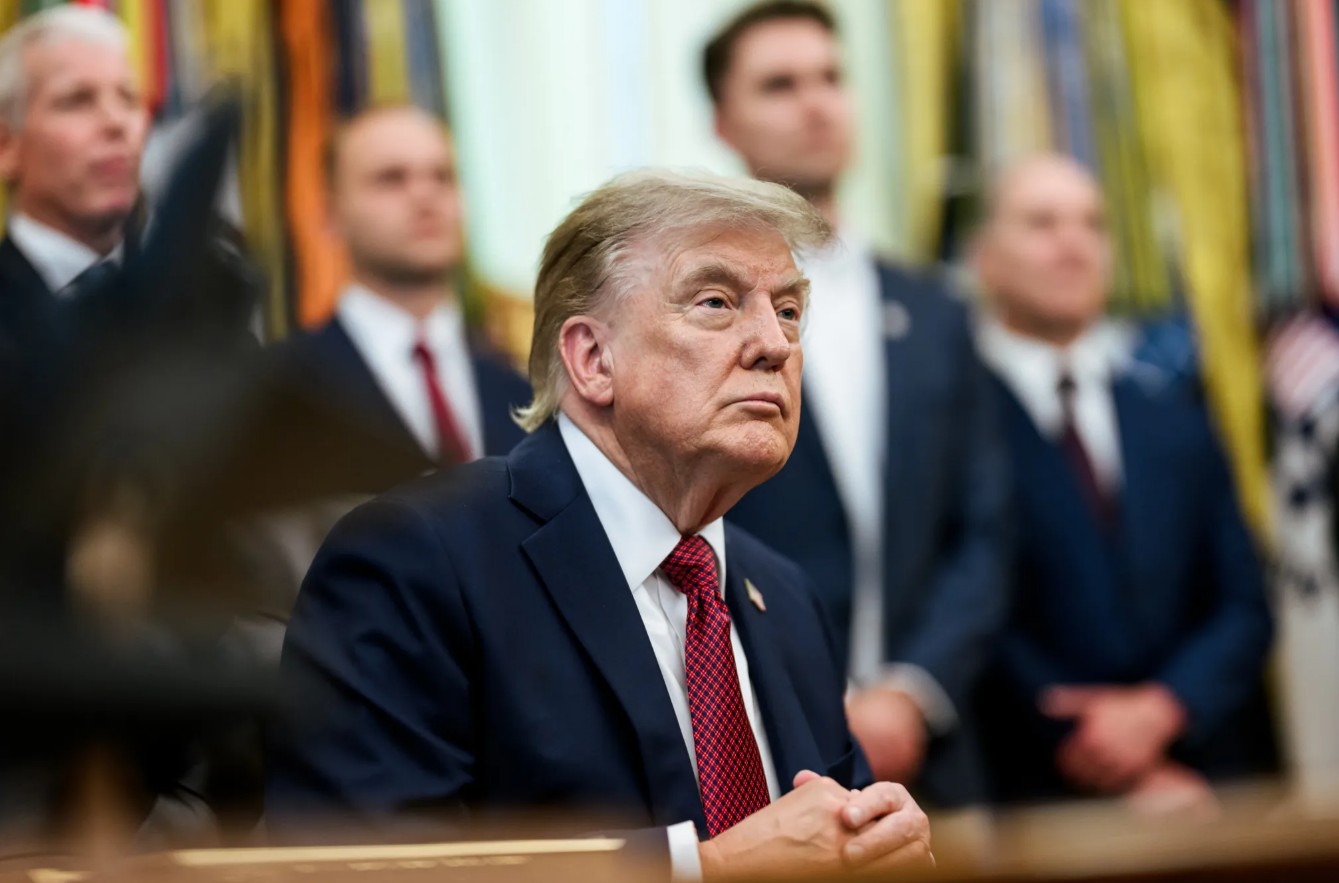
The first tournament ever hosted by three nations — the United States, Canada, and Mexico — is taking place against the backdrop of Donald Trump’s harsh immigration decrees, the war with Iran, and deteriorating relations among the hosts.
Experts warn that many fans may not be able to attend matches, and the safety of players and spectators remains in question.
Visa Barrier: 39 Countries Under Ban
The Trump administration has imposed a travel ban on citizens of 39 countries (fully or partially) and has also suspended the processing of immigrant visas for 75 states. Iran and Haiti face a full ban, while Côte d’Ivoire and Senegal face partial restrictions. Fans from these countries will not be able to attend matches in the United States unless they are permanent residents or hold dual citizenship with a country not on the ban list.
For citizens of Algeria, Cape Verde, Côte d’Ivoire, Senegal, and Tunisia, a bond of up to $15,000 per person was initially required to obtain a non‑immigrant visa. Only three weeks before the start of the tournament, U.S. authorities waived this requirement for those who had purchased tickets by mid‑April.
Human Rights Watch expressed concern that most host cities have not submitted the required human rights action plans, ignoring risks to migrants and journalists.
Psychological Barrier and “Visa Race”
The Iranian team managed to move its training base from Arizona to Tijuana, Mexico, because of visa problems. The players received U.S. visas only ten days before their first match, but 15 members of the delegation, including football federation officials, were allowed into the United States for games only on the day of the match — they were ordered to leave the country that same evening.
Iran’s embassy in Turkey called this “politically biased interference in sport,” and Tehran threatened to complain to FIFA. Iran’s football federation accused Washington of “effectively denying the Iranian national team equal playing conditions and discrimination‑free competition.”
Many African fans are deliberately avoiding trips to the United States for fear of lengthy interrogations and possible deportation, preferring matches in Canada and Mexico. American citizens living abroad also fear returning home for the World Cup because of concerns about being detained over past social media posts.
War in Iran and Cyber Threats
The Iranian team is forced to prepare under wartime conditions: due to proximity to Israel, their training camp in Turkey was relocated for security reasons, and the team itself is under enhanced protection by Mexico’s National Guard. Experts warn of a high risk of cyberattacks — Iranian hackers have already targeted small municipal authorities in host cities, which could threaten water supply, energy, and critical infrastructure during the tournament. Russia, still under FIFA’s ban, is also, according to intelligence, showing active interest in cyber‑sabotage.
Confidential intelligence briefings from U.S. and FIFA officials warned of an increased risk of extremist attacks on stadiums, fan zones, and transportation infrastructure because of the war in Iran and Trump’s immigration policy. $846 million has been allocated to strengthen cybersecurity and drone protection in the 11 U.S. host cities.
ICE at Stadiums: Unions on the Brink of Strike
U.S. Immigration and Customs Enforcement (ICE) has stated it will play a “key role” in ensuring tournament security. Department of Homeland Security Secretary Marquevin Mullin said ICE agents will be “at the stadiums every day.” This has sparked protests.
The union representing hospitality workers at Los Angeles’ SoFi Stadium (eight matches) broke off negotiations with operators on May 29, demanding better working conditions and keeping ICE off the venue grounds. Union members are preparing to vote on a strike that could paralyze stadium services on game days.
Reports indicate that thousands of international fans are canceling their tickets in protest against mass deportations and brutal ICE raids, in which fatalities have been recorded, sparking outrage worldwide.
Former FIFA president Joseph Blatter called for a boycott of matches in the United States, and some federations, including the Netherlands, are considering withdrawing from the tournament.
Heat, Boycotts, and the First Three‑Host Tournament
Many stadiums in Los Angeles and Mexico City are in areas with a high risk of heat‑stress injury to players (unlike the enclosed arenas in Atlanta and Arlington, Texas). Last year’s Club World Cup in the United States saw cases of heat exhaustion due to afternoon kickoffs.
Discussions about boycotting the tournament have taken place among coaches and politicians (including the heads of 20 European federations), but no country has ultimately refused to participate. Individual boycotts and ticket resales, however, are already being reported. FIFA has imposed a strict ban on any political statements or protests against ICE at stadiums, threatening sanctions against teams and players.
Australia’s captain, St. Pauli player Jackson Irvine, who previously criticized FIFA’s award of the Peace Prize to Trump, now refuses to speak publicly, fearing consequences for his team.
Human Rights: “State of Emergency” in the United States
Amnesty International in late March described the human rights situation in the United States as a “state of emergency,” citing discrimination against migrants and restrictions on freedom of speech. Human Rights Watch stated that “all but one” host city had not submitted the required human rights action plans.
Amnesty International warned that mass deportations (in 2025, more than 500,000 people were deported from the United States — six times the number of spectators in the final) and brutal ICE raids could turn the tournament into a “zone of fear” for fans.