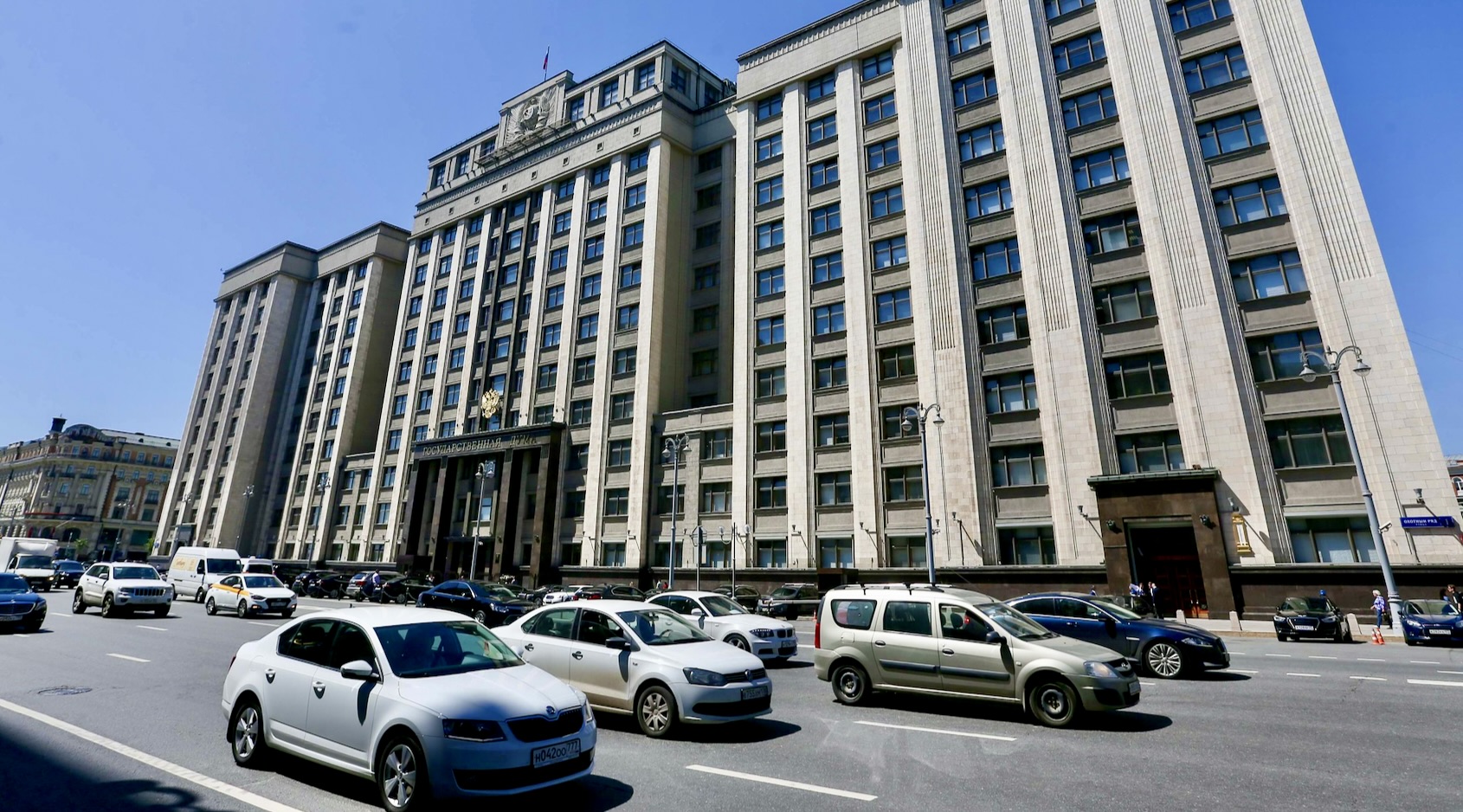
MOSCOW (Realist English). On July 21, the State Duma unanimously passed in its third reading a law introducing amendments to the Russian Tax Code aimed at stabilising the fuel market. The government‑submitted document was considered by deputies on a priority basis, passing both the second and third readings in one session.
State Duma Chairman Vyacheslav Volodin called the decision “extremely important and serious.” “Fuel must be available at the front, in the rear, during the harvesting campaign, and for emergency services,” the speaker stressed.
The adoption of the law, according to him, will help “ease the acute problems in providing fuel and lubricants to citizens and enterprises.”
Fuel Crisis in Russia
The law was preceded by an acute fuel crisis that swept across the country. Since late May 2026, Russian regions have faced unprecedented restrictions on fuel sales, leading to price hikes, queues at petrol stations, and the introduction of so‑called “dirty” fuel.
Price Hikes and Shortages
Since the start of 2026, petrol prices have risen by an average of 11.58% , while overall inflation stood at about 4% — meaning fuel prices have grown three times faster. In the week of June 23–29, prices rose by 1.6% — a record for the last 20 years.
According to Rosstat, the average price of petrol in Russia rose by 2.25% over the week, reaching 74.01 roubles per litre.
Prices for AI‑95 in the first nine days of July rose by 24% year‑on‑year, to 77.5 roubles per litre; AI‑92 rose by 20% to 70.5 roubles per litre.
Causes of the Crisis
The main cause of the shortage was a drop in production following damage to Russian oil refineries.
During the crisis, major petrol producers effectively stopped selling fuel on the exchange, directing it instead to their own filling stations. Independent networks complained that they had nowhere to buy fuel.
At the end of June, restrictions were introduced on the export of petrol and diesel. Since July 9, a complete ban on diesel exports has been in effect in Russia. Petrol reserves fell by 4% to 1.7 million tonnes.
Import Damping Mechanism for Diesel Fuel
The key element of the law is the introduction of an import damping mechanism for diesel fuel, similar to the existing mechanism for petrol.
A damping mechanism compensates oil companies for supplying fuel to the domestic market at prices below export levels. The mechanism has been in place in Russia since 2019 to curb domestic prices: when the export price of fuel rises above a conditional domestic price, the state compensates companies for part of the difference, so they do not raise domestic prices.
The new diesel damping mechanism will be paid provided that the export ban on diesel, middle distillates, and kerosene remains in place. As Deputy Finance Minister Alexei Sazanov explained, the mechanism will apply only to the tax period following the month in which the government imposed export restrictions.
For diesel imported from Belarus, the compensation coefficient is to be raised to 0.9. For diesel imported from third countries, the export alternative will be calculated based on Indian market prices, with delivery to Russian ports taken into account.
Payments for Middle Distillates
In addition, it is proposed to pay out damping compensation for middle distillates sold on the domestic market for one year — from July 2026 to June 2027.
The compensation amount will be the same as for diesel fuel.
Taxation of Blended Petrol
The law clarifies the mechanism for excise taxation of motor petrol produced by blending straight‑run petrol with other components.
The production of high‑octane petrol in this way will be treated as fuel production.
Taxpayers holding a certificate for processing crude oil will be eligible for excise deductions.
Refinery Support and Investment
The law extends until December 31, 2026 the deadline for enterprises to bring into operation equipment worth at least 60 billion roubles (previously they were required to do so by January 1, 2026).
At the same time, the minimum investment threshold is raised to 100 billion roubles.
Official and Expert Positions
Energy Minister Sergei Tsivilev said the new measure would make it possible “to quickly attract additional fuel volumes from abroad when needed, while maintaining the economic attractiveness of such supplies and contributing to reliable fulfilment of Russian consumers’ needs.”
Deputy Finance Minister Alexei Sazanov stressed that the amendments are aimed at stabilising the fuel market. The head of the State Duma’s Budget and Taxes Committee, Andrei Makarov, said the changes were driven by the need to secure the domestic motor fuel market and “curb the price speculation currently observed.”
As Volodin stressed, “any proposals that strengthen the country and solve problems must be supported. Moreover, they must be explained to people, regardless of party affiliation.”
Experts warn that a quick market recovery should not be expected. High seasonal demand will persist for the next two months. The adopted law creates economic incentives for imports and should help saturate the market with fuel.
However, the key condition remains the restoration of refinery capacity, which has been damaged by attacks and restrictions. The additional powers granted to the government will allow it to respond quickly to changing circumstances.