MOSCOW (Realist English). June 20 was marked by a number of high-profile events both on the foreign policy front and on the domestic Russian agenda.
While Warsaw demanded a seat at the negotiating table on Ukraine, London tested new missiles for Kyiv, and Berlin and Paris toughened their rhetoric regarding Russia’s “shadow fleet.” Domestically, Deputy Prime Minister Chernyshenko announced the revival of the Soviet-era inventors’ society, while Dmitry Medvedev congratulated medical workers on their professional holiday.
Warsaw Insists on Participation in Negotiations
Polish Foreign Minister Radosław Sikorski, in an interview with the Frankfurter Allgemeine Sonntagszeitung, declared Warsaw’s right to a separate seat at the negotiating table on resolving the conflict in Ukraine.
He argued that Poland, unlike Germany, directly borders the combat zone, and it is through its territory that key military supplies for the Ukrainian Armed Forces transit. “We bear the risks, and therefore we demand a seat at the negotiating table,” Sikorski said.
The Polish foreign minister questioned the leadership of the “European troika” (Germany, France and the UK), stating that the “German-French engine” is insufficient to run the modern EU. Berlin, however, considered these claims premature.
German government spokesman Steffen Kornelius said that now is “not the right time” to discuss the formats and composition of future negotiations with Russia.
Britain Tests New Weapons for Ukraine
The UK Ministry of Defence has successfully tested new long-range ground-based missiles under the Brakestop project. The tests were conducted on the Hebrides Islands. As the Financial Times reports, the missiles contain no US components, allowing London to independently decide on their export and use without regard to Washington.
According to The Telegraph, the weapon can strike targets at a distance of more than 500 km, and its warhead weighs 250 kg. The publication directly states that these missiles could reach Moscow. The UK Ministry of Defence presented three prototypes from MBDA UK, MGI Engineering and Rotron Aerospace.
First deliveries are expected within a year, and by the end of autumn, after additional checks, they will begin to be transferred to Ukraine.
Germany and France Demand Tougher Measures Against Russia’s ‘Shadow Fleet’
German and French parliamentarians have put forward a joint initiative calling for tighter controls on Russia’s “shadow fleet.” The draft document, which will be considered on June 22 at a meeting of the German-French Parliamentary Assembly, provides for enhanced monitoring and detention of vessels in case of violations. In Germany, the initiative is supported by MPs from the CDU/CSU, SPD and the Greens.
The draft notes that the “shadow fleet” poses a threat not only to the effectiveness of sanctions but also to Europe’s security and ecology. Many of the tankers are old, poorly maintained and do not meet international standards. German politician Jürgen Hardt said: “Russia’s ‘shadow fleet’ threatens not only the effectiveness of our sanctions but also the security of Europe and our critical infrastructure.”
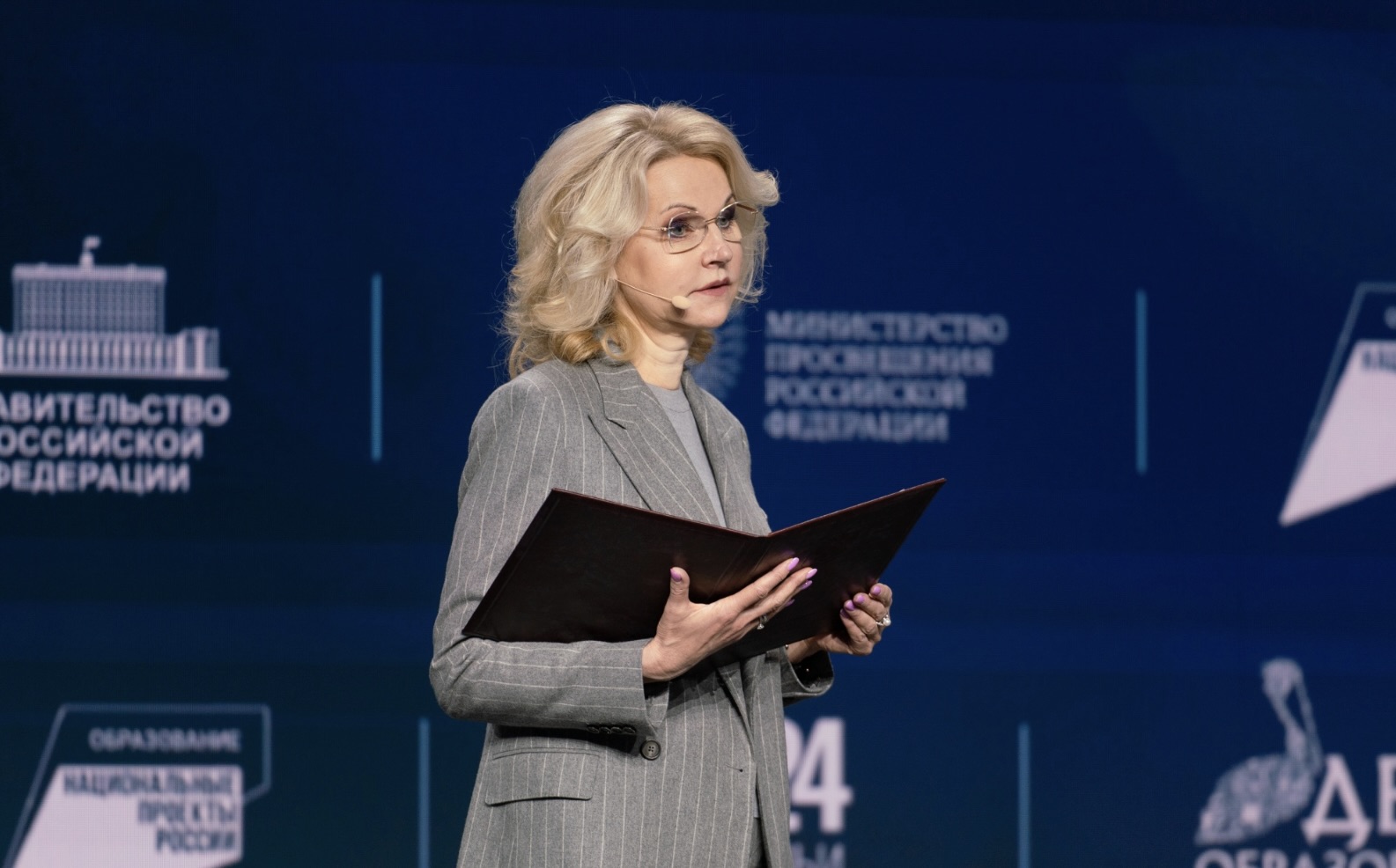
Chernyshenko: ‘We Are Bringing Back the Most Powerful Institute of Invention’
In Moscow, the founding congress of the renewed All-Russian Society of Inventors and Rationalisers (VOIR) took place.
The organisation, with a rich history dating back to 1932, received a new public-state status by decree of President Vladimir Putin. Deputy Prime Minister Dmitry Chernyshenko, speaking at the congress, said: “With the president’s support, we are bringing back the most powerful institute of invention and scientific-technical creativity, which in Soviet times united more than 14.5 million people.”
Chernyshenko recalled that VOIR was “an army of innovators that cultivated virgin lands, conquered space and built the industrial might of our country.” He called for directing the society’s efforts towards concrete inventions to achieve the national goal of technological leadership.
Vladimir Kononov, Chairman of the Central Council of VOIR, announced the intention to work with students, universities and ministries, with an emphasis on children’s and youth technical creativity.
Average Pension for Non-Working Russians Reaches Nearly 26,000 Rubles
According to the Social Fund, the average pension for non-working citizens in May 2026 amounted to 25,839 rubles.
Over the year, this figure has increased by more than 1,800 rubles (from 24,014 rubles in May 2025). For comparison, the average pension for working pensioners in May was 23,700 rubles.
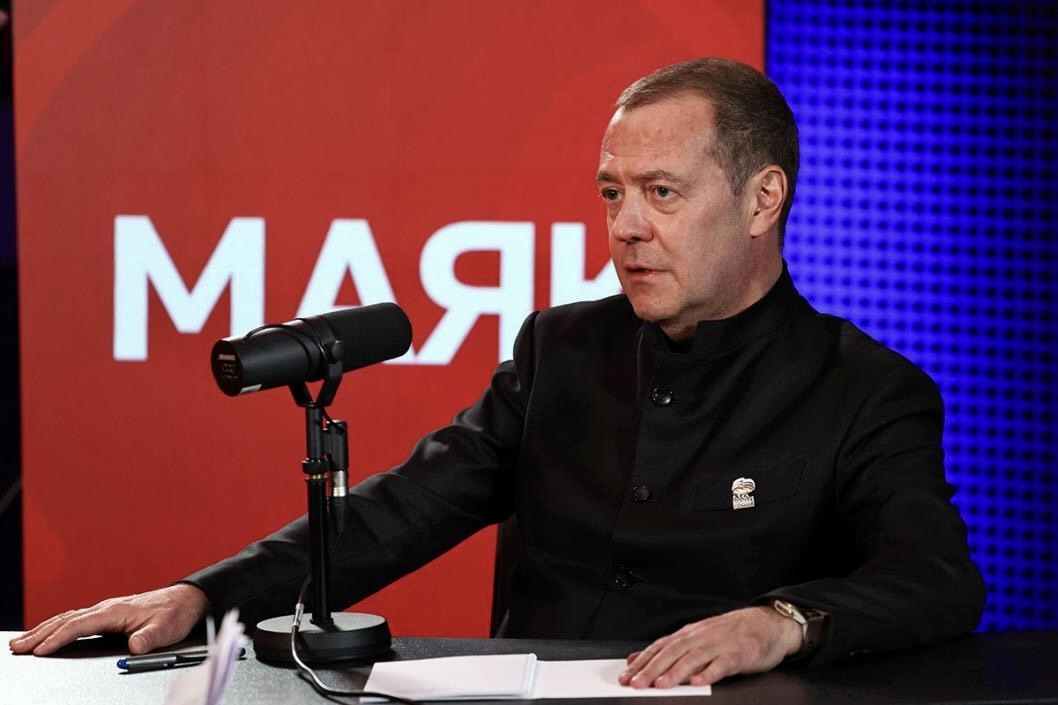
Medvedev: About 6% of United Russia Party Members Are Linked to Healthcare
United Russia party chairman Dmitry Medvedev, in his congratulations on Medical Worker’s Day, said that about 6% of party members — more than 170,000 people — are linked to the healthcare sector. “In the most difficult and critical situations, doctors take on enormous responsibility,” he stressed.
He expressed special gratitude to medical workers who are serving in the zone of the special military operation.