ASTANA (Realist English). On July 1, 2026, Kazakhstan’s new Constitution came into force, having been adopted in a nationwide referendum on March 15. The new version was supported by 87.15% of voters, with turnout at 73.12%.
The amendments affected 84% of the text of the previous 1995 Constitution. President Kassym‑Jomart Tokayev described the event as a “large‑scale reboot of all state and public institutions.”
The Essence of the Reform: Unicameral Parliament, Vice‑President and New Bodies of Power
The new Constitution introduces fundamental changes to the system of state governance:
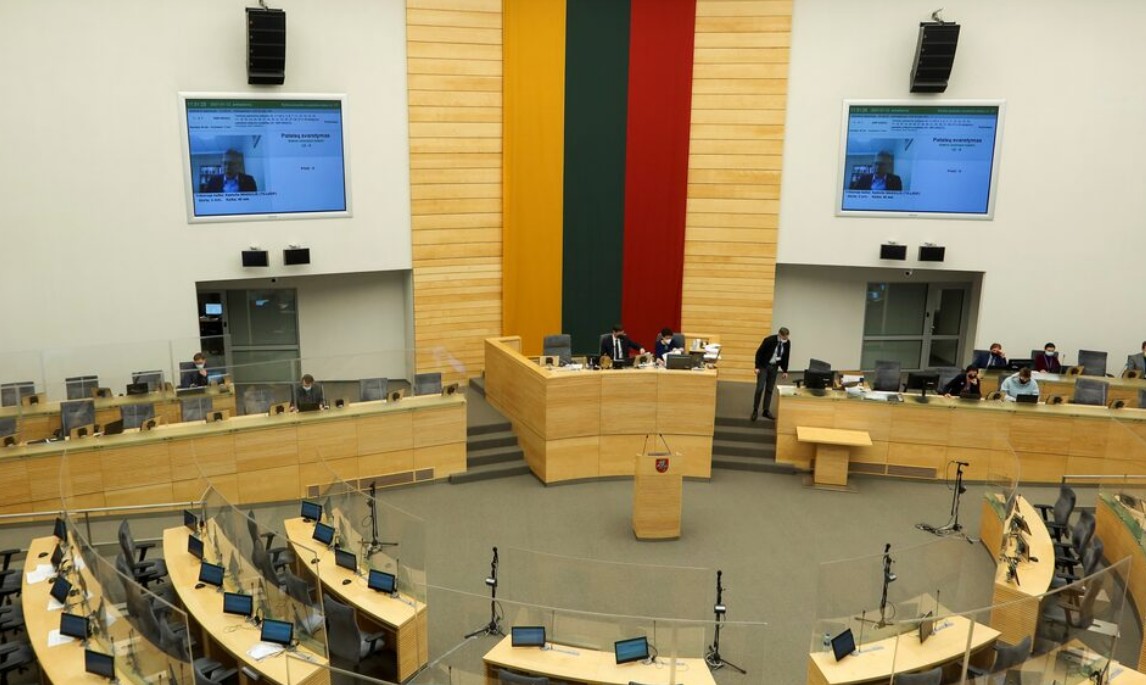
- Transition from a bicameral to a unicameral parliament — the Kurultai of 145 deputies.
- Restoration of the vice‑presidency, abolished in 1996.
- Establishment of the People’s Council (Khalk Keneci) — a new representative body whose members are appointed by the president. The Council will have the right to initiate legislation and hold referendums.
- Expansion of presidential powers: the head of state appoints the vice‑president (not elected), gains the right to dissolve parliament, appoint key officials with the approval of the Kurultai, and issue decrees having the force of law in the event of parliament’s dissolution.
- Affirmation of the status of the Kazakh language as the state language, while maintaining the official use of Russian (the wording “on an equal footing” has been replaced with “alongside” Kazakh).
Presidential Term: A New Beginning
A key aspect of the constitutional reform was the legislative regulation of presidential terms. According to a ruling by the Constitutional Court, terms served under the old Constitution are not counted. Election or appointment after the new Basic Law enters into force is “considered as the first election or appointment.”
Thus, the current president will be able to run again for the post of head of state, despite the fact that the reform he initiated established a limit of one seven‑year presidential term.
Tokayev’s current presidential term began on November 20, 2022, and is due to expire in November 2029. He will now be able to run for a new seven‑year term.
Views of Western Experts: Institutional Modernisation
Western experts have given predominantly positive assessments of the constitutional reform, noting its systemic nature and focus on strengthening statehood.
Mark Temnytsky (The Atlantic Council’s Eurasia Center) believes the reforms are “primarily aimed at improving the institutional architecture of the state and increasing the efficiency of the governance system.” In his view, “a more orderly legislative system and a consolidated succession mechanism through the vice‑presidency can ensure greater predictability in governance.” He also noted that the reforms contribute to strengthening Kazakhstan’s balanced foreign policy course.
German Professor Georg Gesk (Osnabrück University) stated that after more than 30 years of political experience, Kazakhstan is rethinking its constitutional model, integrating its own experience and traditions. The transition to a unicameral system, in his opinion, simplifies the legislative process.
British experts (Professor Rico Isaacs and Associate Professor Alan Thomas) called the adoption of the new Constitution “an event of significant political importance,” noting that the success of the reforms will depend on practical implementation.
International Recognition
The UN mission highly praised the organisation of the referendum, noting that it was “conducted at a high level.”
At the ceremony marking the Constitution’s entry into force, Tokayev stressed: “The nationwide referendum that took place has become a historic testament to our commitment to the development of democracy and the rule of law.”
Reform as a Stage of Strengthening Sovereignty
The 2026 constitutional reform is a logical continuation of the political transformations initiated in Kazakhstan after the events of January 2022. It consolidates the transition from a super‑presidential model to a more balanced system with a strengthened role for representative bodies of power.
As The Times of Central Asia notes, “the adoption of the new Constitution allows Kazakhstan to reach a qualitatively new level of governance, commensurate with contemporary challenges and the traditional values of society.”
The reform also strengthens Kazakhstan’s position on the international stage, demonstrating the country’s ability to independently determine its political course and institutional architecture. Amid global turbulence, Kazakhstan is confirming its status as a reliable and predictable partner with a developed political system.