ISLAMABAD (Realist English). Prime Minister of Pakistan Shehbaz Sharif has announced that the United States and Iran have reached a final peace agreement, with an electronic signing ceremony expected within hours.
However, Iranian officials have urged restraint, noting that no final decision has yet been made.
The announcement comes as part of Pakistan’s months-long mediation efforts between the two sides since the outbreak of the US-Israeli conflict with Iran on February 28, 2026.
‘Final text agreed,’ says Sharif
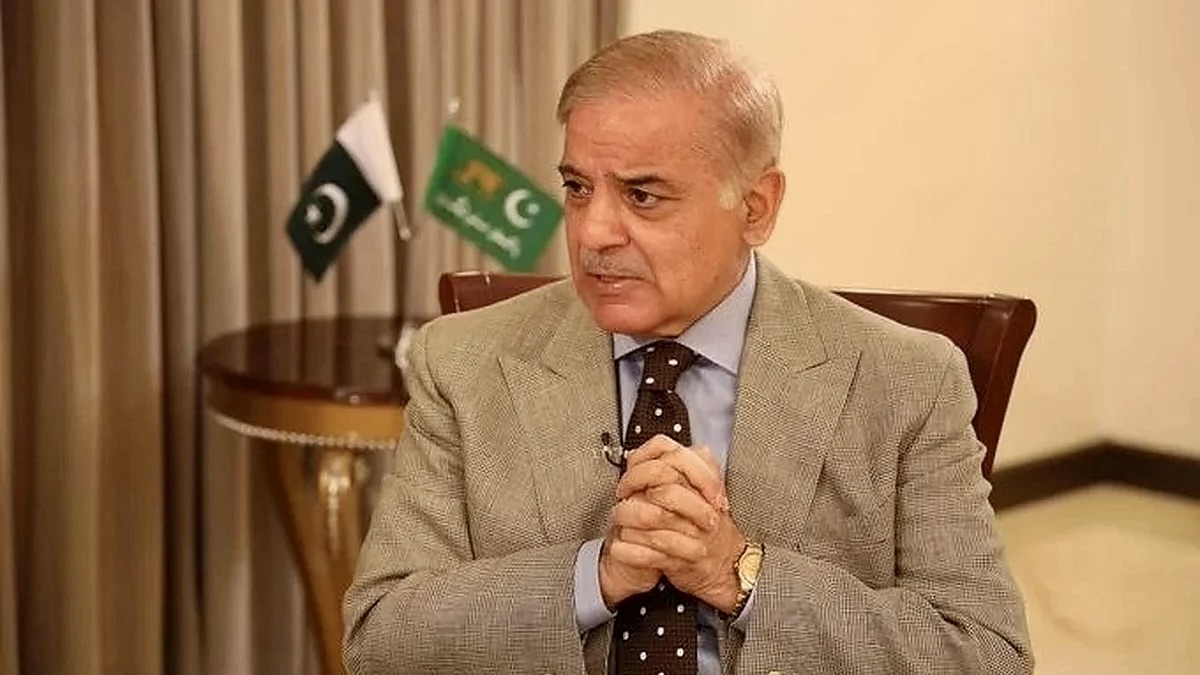
On June 12, Prime Minister Sharif announced that intensive mediation efforts between the United States and Iran had resulted in the finalization of a peace agreement text.
“We can confirm that a final, agreed upon text of the peace deal has been reached, and Pakistan is now working closely with both sides to finalize the next steps,” Sharif wrote on X, adding: “Peace has never been as close as it is now.”
The proposed agreement is reportedly set to be named the “Islamabad Peace Declaration,” with Pakistan positioning itself as a key diplomatic bridge between the two rival powers.
24-hour timeline for signing
On June 13, Sharif stated that the agreement was “closer than ever before” and would likely be finalized within the next 24 hours.
“Pakistan is preparing for the electronic signing of the peace deal immediately after, followed by technical-level talks next week,” he posted on X.
US President Donald Trump simultaneously announced on his Truth Social platform that the signing was scheduled for Sunday, with the Strait of Hormuz to be opened “immediately after.” “The Deal is scheduled to get signed tomorrow, and immediately after it is signed, the Hormuz Strait is OPEN TO ALL,” Trump wrote on June 13.
Later, on June 14, Trump added that a regional peace agreement, including for Lebanon, was “very close,” and called on all parties, especially Israel, to cease hostilities. “We are very close to an agreement that will bring peace to the region, including Lebanon, and all sides must stop fighting,” the US president wrote on Truth Social.
Iran urges caution: no final decision yet
Despite these optimistic pronouncements, Iranian officials have struck a notably cautious tone. Iranian state media reported on June 14 that Tehran had not yet made a final decision on the proposed peace agreement aimed at ending the war between the United States and Iran.
Iranian Foreign Minister Abbas Araghchi stated that a deal with the United States “has never been closer,” but simultaneously urged restraint and warned against media speculation about the deal’s details.
“Until it is finalized, the media should refrain from speculation about its content. In line with our responsible and transparent approach, all details will be shared with the public in due course,” Araghchi wrote on X.
Furthermore, Iran’s Foreign Ministry spokesman Esmaeil Baghaei clarified that the signing of a memorandum of understanding with the US “will not take place tomorrow,” but the possibility of it happening in the coming days cannot be ruled out.
Baghaei emphasized that the Islamabad MoU focuses on ending the war, while the nuclear issue will not be discussed at this stage.
A source close to the Iranian negotiation team indicated that Iran is still studying the proposed memorandum and has not yet made a final decision, with review efforts continuing.
Key terms remain undisclosed
While specific details of the agreement have not been publicly released, reports from senior US officials suggest it includes provisions for the removal and destruction of nuclear materials from Iran, as well as Iran’s agreement not to fund terrorist groups.
The deal is also expected to pave the way for the resumption of shipping through the Strait of Hormuz, the phased lifting of sanctions, and the release of frozen Iranian assets.
The disruption of transit through the strait has crippled global energy supplies and driven up fuel prices, while the US has responded since mid-April with a naval blockade of Iranian ports to choke off Iran’s oil exports.
US Defense Secretary Pete Hegseth confirmed on June 14 that the US and Iran remain committed to signing a memorandum of understanding on Sunday that would allow the opening of the Strait of Hormuz and the lifting of the US blockade of Iranian ports. “As far as I know, everything is going according to plan. The question is not whether this will happen, but when it will happen,” Hegseth stated in a CBS News interview.
Pakistan’s mediation role and regional consultations
Pakistan has been actively mediating between Iran and the US since late February 2026. With Islamabad’s support, the two sides reached a temporary ceasefire agreement on April 8, though the process subsequently stalled due to disagreements over implementation and new developments in the region.
In recent days, Pakistan’s diplomatic efforts have intensified. Pakistani Interior Minister Mohsin Naqvi arrived in Tehran on June 6 for talks with senior Iranian officials as part of Islamabad’s ongoing mediation.
Pakistan’s Foreign Minister Ishaq Dar also spoke twice in 24 hours with his Egyptian counterpart, discussing regional developments against the backdrop of the potential US-Iran deal and expressing hope that positive developments would contribute to lasting peace across the region.
Pakistan has also been holding consultations with key regional players, including China, Turkey, Saudi Arabia, and Egypt.
Tensions persist, fighting continues
Despite the optimistic diplomatic signals, tensions remain high. The United States reported downing several Iranian drones that had attacked commercial ships in the Strait of Hormuz on June 13.
Meanwhile, Israeli strikes on southern Lebanon have continued. The Israeli army issued evacuation warnings for more than 20 locations, including the city of Nabatieh, with state media reporting Israeli airstrikes hitting several areas. Last month, the Israeli army declared all areas south of the Zahrani River “combat zones” and has been striking the area since then.
Trump publicly criticized the Israeli strikes on Beirut on June 14, stating that they “should not have happened, especially on such a special day when we are so close to a peace deal with Iran.” He called the attack “very small and insignificant” and urged Israel not to carry out new strikes on any part of Lebanon, while also calling on Hezbollah not to attack Israel.
A senior US official told the Associated Press that the preliminary deal remains on track despite the ongoing violence, with a signing ceremony expected in the coming days after officials in Washington and Tehran approve it. Regional officials noted that the emerging deal “has the potential to remake the region and lead to lasting peace.”