TEHRAN (Realist English). A peace agreement that would end months of military confrontation in the Persian Gulf appears to be within reach, even as the two sides continue to exchange contradictory statements and accusations. The White House has expressed “optimism,” with a senior official putting the chances of success at “80 to 85 percent.”
President Trump said a deal could be signed in Europe between June 13 and 15, confirming that Vice President JD Vance is ready to attend the ceremony. Tehran, while acknowledging the unprecedented proximity to an agreement, has refused to confirm final approval, with Foreign Minister Abbas Araghchi warning: “There will be no negotiations until the memorandum is implemented.”
Text Agreed, but Differences Remain
Pakistan’s Prime Minister Shehbaz Sharif, the key mediator between Washington and Tehran, confirmed on June 12 that a “final agreed text of the peace agreement has been reached,” adding: “Peace has never been so close.” Yet in practice, the two sides continue to diverge in their interpretation of nearly every point.
Foreign Minister Abbas Araghchi himself has stated that a deal with the US “has never been closer,” a sentiment President Trump reposted, even as both sides publicly challenge each other’s versions of the proposed terms. A senior US official told the Associated Press that the tentative deal includes provisions for removing and destroying nuclear material from Iran.
The negotiations have reportedly narrowed down to four key nuclear issues; the core disagreements include the duration of a uranium enrichment moratorium and the handling of existing stockpiles.
- The Strait of Hormuz. Washington insists on the immediate reopening of the waterway to restore shipping. Under a draft memorandum seen by media, Tehran is prepared to open the strait within 30 days but would keep it “under Iran’s control,” refusing to return to the “pre-war status quo.” Iranian state media has explicitly stated that under the draft agreement, Tehran would not cede control of the strategic waterway. Moreover, Araghchi has called the lifting of the naval blockade the “first point of the agreement.”
- Nuclear Program. The US administration claims the deal would enshrine Tehran’s “permanent renunciation” of the development and acquisition of nuclear weapons, including the dismantlement of infrastructure and the removal of enriched materials under IAEA supervision. US officials want a moratorium on enrichment lasting at least 15 years. Iran insists on the right to enrich uranium for peaceful purposes. Araghchi maintains that the only acceptable option for highly enriched uranium is to “downblend” it on Iranian soil, not to export it. Official Iranian media reports that under the memorandum, Iran would assume no new nuclear obligations, and its peaceful nuclear program would remain unchanged. Approximately 400 kilograms of uranium enriched to near 60% is at the center of this dispute.
- The Financial Side. The White House denies that any frozen assets will be released immediately upon signing the memorandum. “Iranians get nothing upon signing the MOU. No 12, 6 or 1 billion,” a senior official said. However, Iranian sources and leaked drafts indicate the agreement envisions the release of $24 billion (half before nuclear talks even begin), as well as a $300 billion “reconstruction plan” for Iran. Under one version of reported terms, billions of dollars in frozen assets would be provided in return for Iran lifting the blockade of the Strait of Hormuz.
- Missile Program and Proxies. Tehran has noted with satisfaction that demands to limit its missile program and end support for its allied groups in Lebanon and Syria have reportedly been removed from the draft memorandum.
60 Days of Technical Talks
A key element of the deal is a 60‑day period following the memorandum’s signing, dedicated to technical negotiations on the nuclear file. During this period, the modalities for destroying or removing enriched uranium and for conducting inspections must be worked out.
The US administration acknowledges that these are “complex, explosive and unstable” materials and that trust is essential. An American official noted that while the US is happy with the commitment not to build a nuclear weapon, it must be verified, which is why the deal is structured this way. The ceasefire would be extended during these talks and could be prolonged if necessary.
Israel Sidelined, Netanyahu Tries to Influence
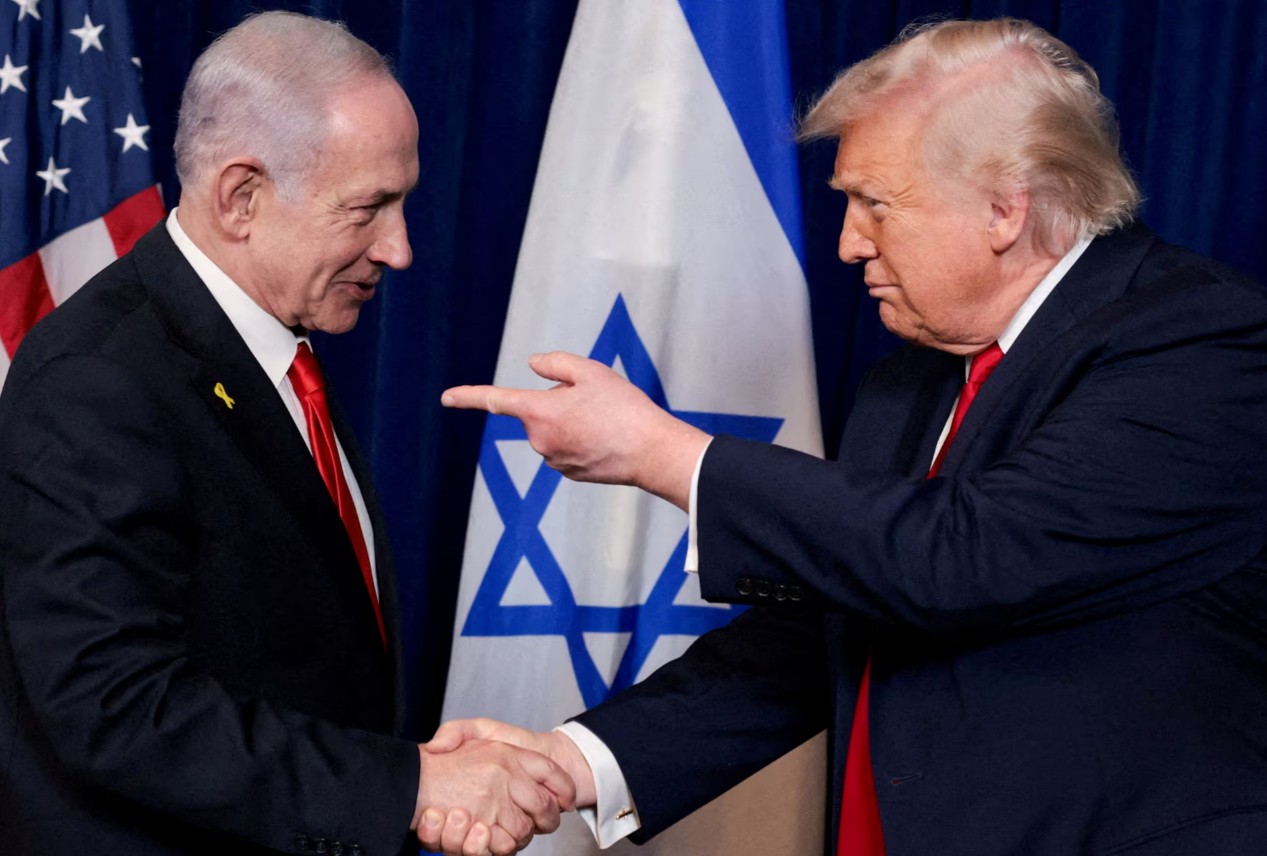
The abrupt shift in Trump’s rhetoric caught Washington’s closest regional ally off guard. According to Israeli media reports, Prime Minister Benjamin Netanyahu learned of the impending deal after the fact and was not involved in the negotiation process. In response, he was forced to publicly state that he and Trump are “in full agreement” that Iran must not obtain nuclear weapons.
Tehran views the situation as “hostile,” with Araghchi directly accusing Israel of seeking a pretext to scuttle the agreement. The emerging deal reportedly includes Lebanon in a 60‑day ceasefire extension, and Netanyahu is said to have been kept in the dark during the talks. A senior Iranian diplomat stated that the memorandum would oblige the US to refrain from interfering in Tehran’s affairs.