KINSHASA (Realist English). The authorities of the Democratic Republic of Congo (DRC) have stepped up the process of retrieving millions of geological documents from the colonial era from Belgium.
At a meeting on June 9 in Brussels, Congolese and Belgian officials laid the foundations for a joint “road map” for the digitisation and phased repatriation of archives containing detailed maps of the former colony’s subsoil.
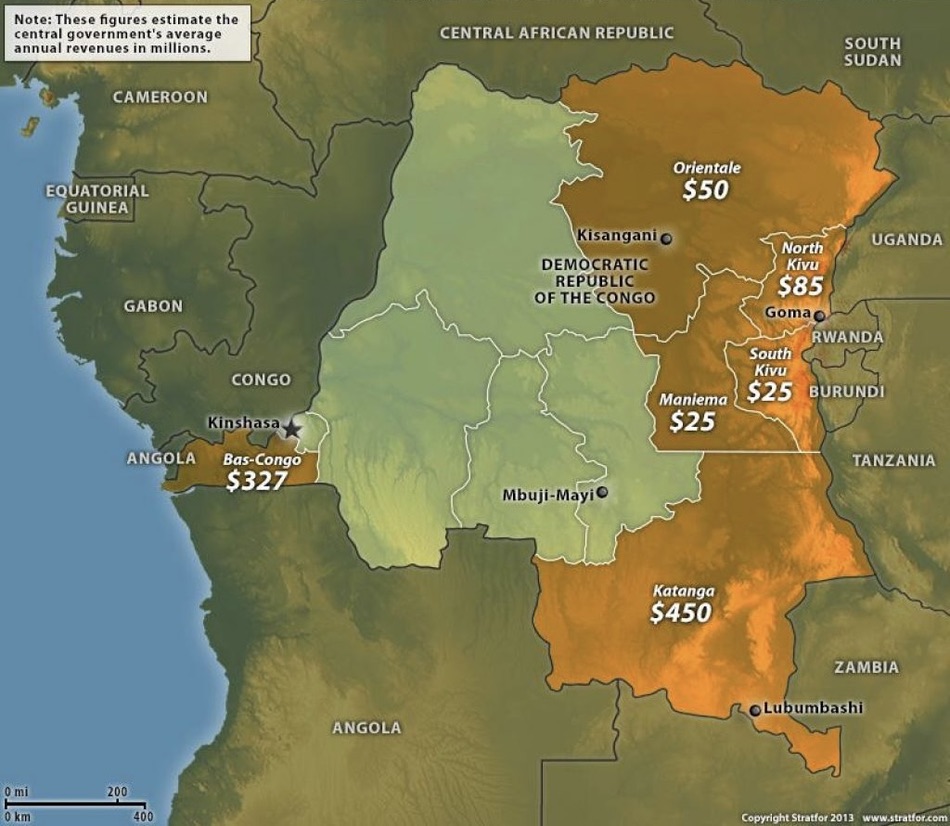
Kinshasa insists that this data — which records colossal reserves of cobalt, lithium and copper — is the key to the country’s economic sovereignty and is no longer willing to tolerate its storage on foreign territory.
At the same time, the process is heightening a dispute with the American mining company KoBold Metals (backed by Jeff Bezos and Bill Gates), which is seeking exclusive access to the same archives to use artificial intelligence in mineral exploration.
Millions of Archives as the Key to the Subsoil
The reference is to a vast body of data — maps, mine workings, reports and samples — accumulated over decades of geological research and exploration. The collection, stored in particular at the AfricaMuseum in Tervuren, contains millions of documents covering vast areas and, according to experts, representing strategic economic and scientific value for the DRC.
During the talks in Brussels on June 9, 2026, Congolese and Belgian authorities reached a principled agreement: the archives will be gradually digitised and then transferred to Kinshasa. The road map also provides for the creation of a joint working group to ensure transparency.
According to local media (including Radio Okapi), Kinshasa’s goal is to ensure full and sovereign access to this vital geological data.
“These archives are not just historical documents, but highly strategic scientific heritage,” the DRC government stresses.
Ethical Duty Toward the Colonial Past
Pressure on Brussels is mounting amid a broader debate over the return of cultural and historical assets taken during the colonial era. As early as May 2026, Lydia Mutyelele, a Belgian parliamentarian of Congolese origin, explicitly stated that keeping the AfricaMuseum archives contradicts ethical norms.
According to her, any refusal to transfer the data “raises doubts about Belgium’s real desire to part with the legacy of colonial exploitation.”
In May 2026, King Philippe of Belgium expressed his “deepest regrets” over abuses in the former colony, which was seen in Kinshasa as a signal for concrete restitution action.
“Cobalt Fever”: Dispute Over Commercial Access
The situation is complicated by the commercial interest of the American start‑up KoBold Metals. The company, which uses artificial intelligence to search for critical minerals (cobalt, lithium, copper), has signed a cooperation agreement with the DRC authorities. KoBold Metals insists on being granted immediate access to the archives to accelerate mineral exploration, and has already allocated $537 million for this purpose.
However, the Belgian authorities categorically refuse to allow a private foreign company access to the documents, citing the lack of contractual relations with Belgium. Science Minister Vanessa Matz stated that digitisation must be carried out within “scientific, non‑exclusive and non‑privatising frameworks”. The AfricaMuseum directorate also rejects KoBold Metals’ claims.
“We cannot allow a private company to privatise the archives entirely,” said museum director Bart Ouvry, stressing that the priority is a state project with the EU, which is already partially funded.
The conflict over the geological archives has revealed three divergent vectors: Kinshasa’s drive for full economic sovereignty, ethical pressure on Brussels, and the strong commercial interest of Western capital.
The adoption of a “road map” for the gradual digitisation and return of the documents represents an important diplomatic breakthrough for the DRC. However, the ultimate fate of these archives will determine whether Kinshasa can effectively manage its enormous natural resources and attract investment on its own terms.