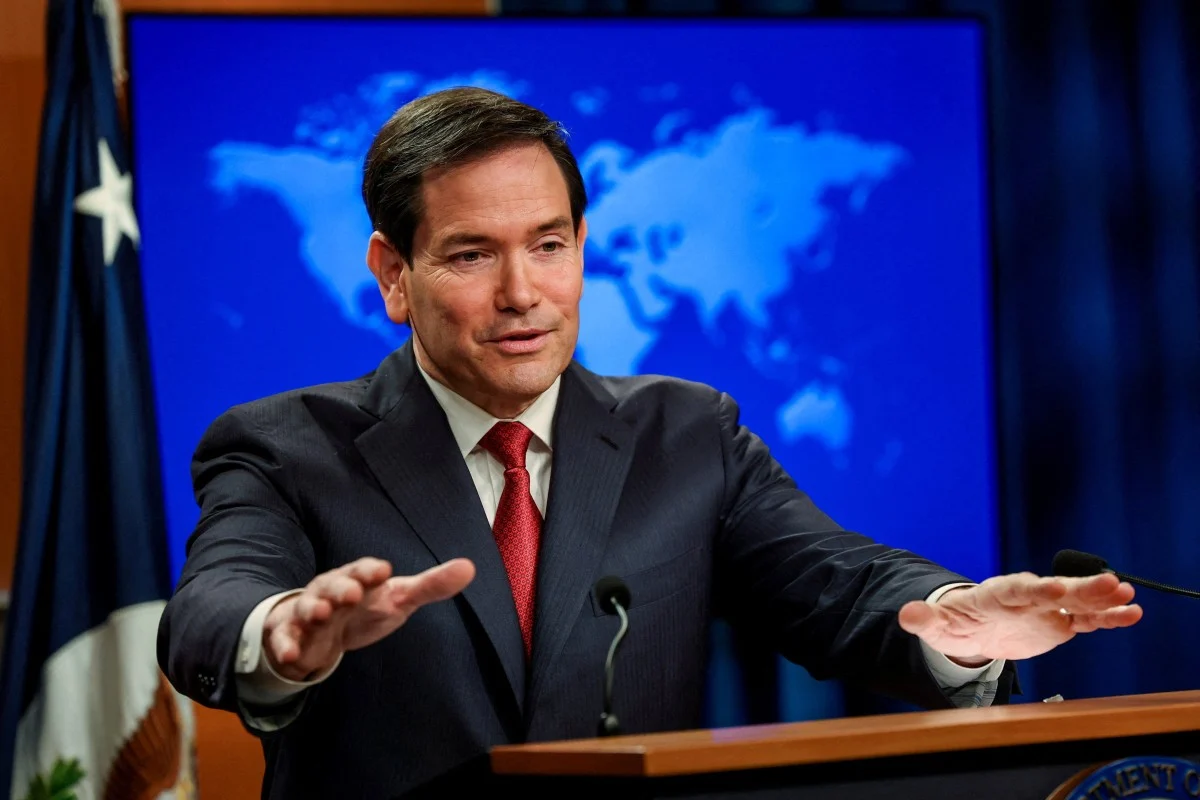
WASHINGTON (Realist English). U.S. Secretary of State and national security adviser Marco Rubio has signalled a notable shift in Washington’s approach to China, stressing pragmatism and cooperation over confrontation as the Trump administration recalibrates its foreign policy ahead of 2026.
Speaking during a two-hour year-end briefing on Friday, Rubio avoided describing China as the primary strategic threat to the United States — a label frequently used by his predecessor Antony Blinken — and instead emphasised what he called “responsible statecraft” and a “mature” management of relations with Beijing.
“China is going to be, is, and will continue to be a rich and powerful country and a factor in geopolitics,” Rubio told reporters. “Our job is to find opportunities to work together with the Chinese Communist Party and the Chinese government.”
Rubio said both sides were capable of managing long-term tensions while cooperating on global challenges, suggesting a reordering of U.S. priorities away from a singular focus on the Indo-Pacific and toward the Western Hemisphere and domestic vulnerabilities.
The remarks mark a significant evolution for Rubio, who as a U.S. senator was a leading author of legislation targeting China over human rights abuses in Xinjiang and Hong Kong — measures that led Beijing to sanction him twice. He remains the first sitting U.S. secretary of state to hold office while personally sanctioned by China.
Rubio acknowledged the contrast between his past positions and his current role. “I represent the president,” he said. “I had another job then; my job now is to represent the United States in foreign diplomacy.”
He rejected the notion that Washington must choose between its alliances in Asia and maintaining workable relations with Beijing, arguing that the U.S. can uphold its commitments to partners such as Japan while still engaging China constructively.
The shift aligns closely with President Donald Trump’s recent diplomacy with China. Following an October summit in South Korea, Trump has publicly described Chinese President Xi Jinping as a “respected leader” and secured a tactical trade truce that included renewed Chinese purchases of U.S. soybeans and a suspension of export controls on rare earth minerals.
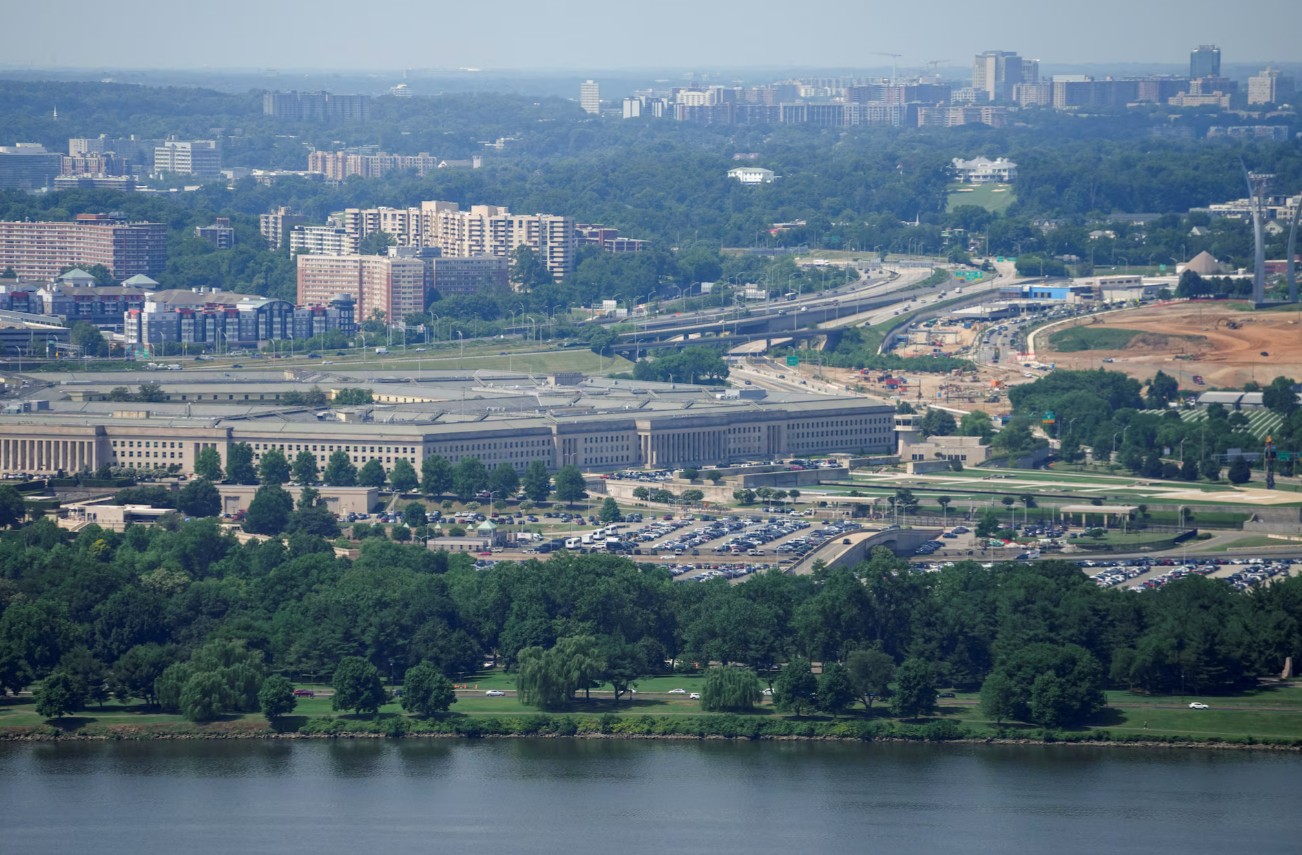
Rubio also downplayed the idea of China as the central anchor of U.S. foreign policy, identifying transnational criminal and terrorist networks in Latin America as a more immediate threat, particularly in their role in driving migration. He described U.S. supply-chain dependence and weaknesses in the defence industrial base as “critical threats”, warning that the country currently lacks the capacity to produce weapons at the scale demanded by global allies.
On Venezuela, Rubio took a hard line, condemning the government of President Nicolás Maduro and accusing it of cooperation with terrorist groups and narco-trafficking networks. He ruled out negotiations with Caracas, citing what he described as Maduro’s repeated violations of past agreements.
Addressing other global conflicts, Rubio said the United States was acting as a facilitator rather than imposing outcomes. On Ukraine, he said talks were progressing as officials arrived in Washington, but stressed that the goal was to determine “what Ukraine can live with and what Russia can live with,” not to dictate terms. Ukrainian President Volodymyr Zelensky has proposed a 20-point peace framework, though Rubio cautioned that the most difficult issues remain unresolved.
In the Middle East, Rubio expressed confidence that the first phase of a Gaza ceasefire would be completed soon and said the administration was focused on forming an international stabilisation force as Israeli troops withdraw — a key element of Trump’s broader plan for the enclave.
Overall, Rubio’s briefing projected a U.S. foreign policy less defined by ideological confrontation with China and more by selective engagement, regional stabilisation and rebuilding America’s own economic and industrial foundations.