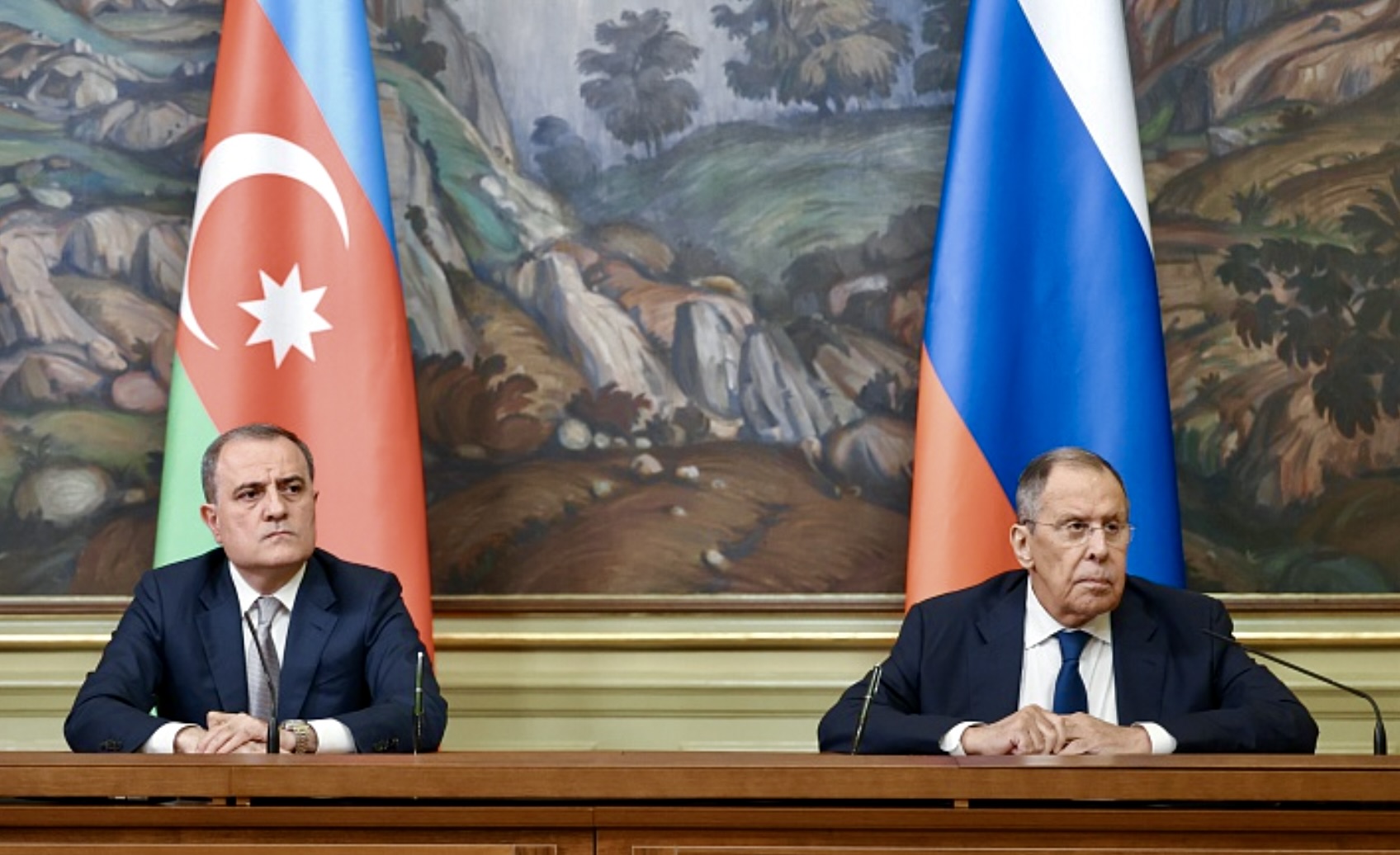
MOSCOW (Realist English). On July 17, Russian Foreign Minister Sergey Lavrov held talks in Moscow with Azerbaijani Foreign Minister Jeyhun Bayramov.
The sides confirmed the progressive development of bilateral relations in the spirit of the Declaration on Allied Interaction signed by Presidents Vladimir Putin and Ilham Aliyev on February 22, 2022.
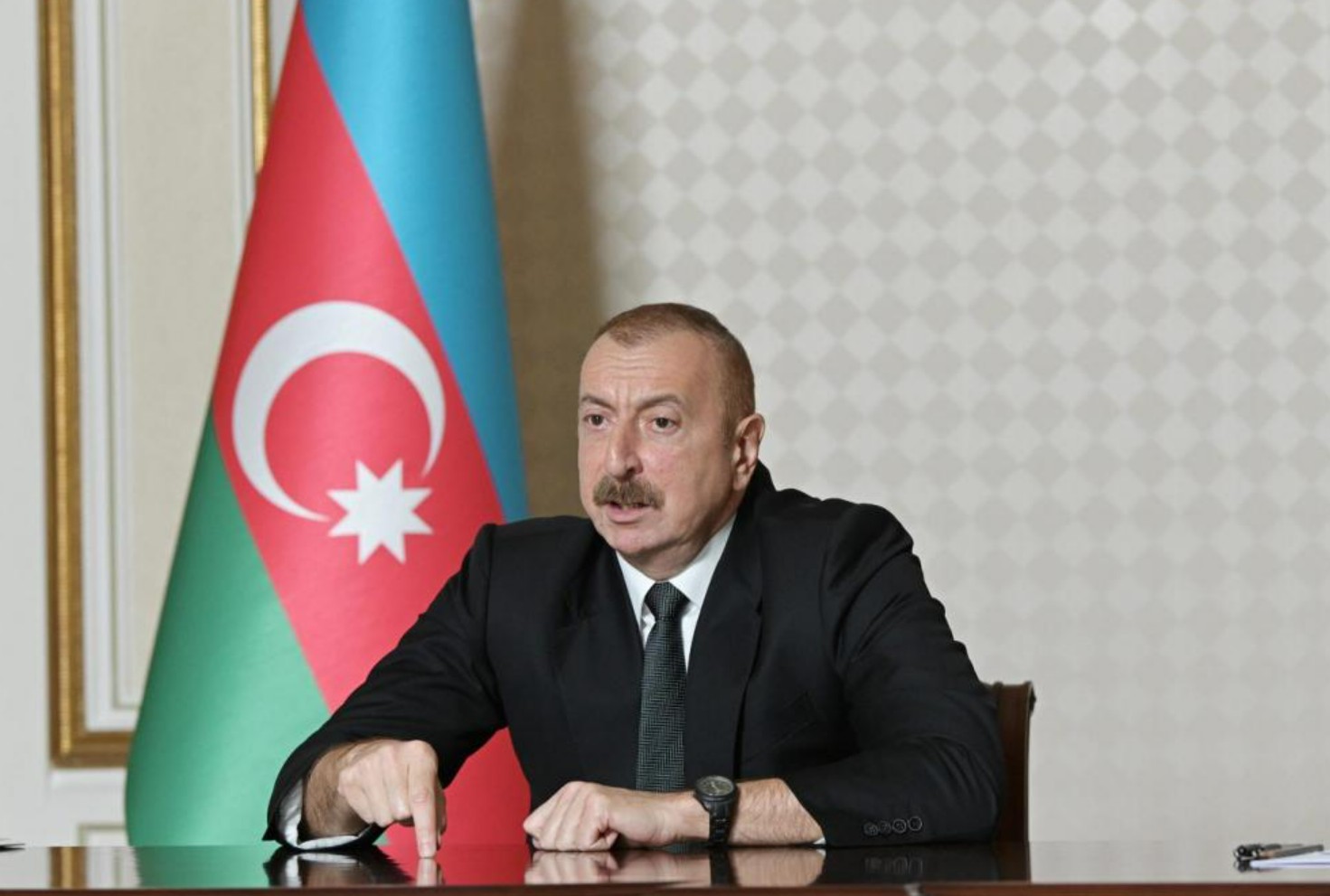
Special attention was paid to Azerbaijani President Ilham Aliyev’s recent statement at the Shusha Forum on July 13 that relations between the two countries are “fully normalised” and that previous difficulties are a thing of the past.
Trade and Economic Cooperation: Room for Growth
Lavrov and Bayramov discussed trade and economic cooperation, noting that in 2025 bilateral trade reached nearly $5 billion. Russia remains one of Azerbaijan’s leading economic partners.
Accumulated Russian direct investment in Azerbaijan totals approximately $10.7 billion. Over 1,400 commercial entities with Russian capital are operating in the republic.
The sides confirmed their interest in further increasing trade turnover and direct investment flows. It was noted that the next meeting of the Intergovernmental Commission on Economic Cooperation was held in April 2026.
North-South Transport Corridor: Land Allocation Completed on Rasht–Astara Section
A key topic of the talks was the development of the International North‑South Transport Corridor and its western branch. As Lavrov reported, Iranian colleagues have completed land allocation on the Rasht–Astara section, which for years had remained the corridor’s “missing link.”
“Just recently, the heads of the three railways — Russia, Azerbaijan, and Iran — met at that location. They discussed practical issues: now that land allocation is in place, how to begin practical work,” the Russian foreign minister said.
According to him, progress on the project will be visible soon, and interest exists on all three sides. The project’s implementation is especially relevant amid the prolonged crisis in the Strait of Hormuz, which is negatively affecting the global economy and transport routes.
Humanitarian and Educational Cooperation
The sides discussed the resumption of full‑scale cooperation in the cultural, humanitarian, and educational spheres. The project to create a Russian‑Azerbaijani university in Azerbaijan based on St. Petersburg State University was deemed promising.
Currently, about 9,000 Azerbaijani students are studying in Russia. The issue of establishing schools at the embassies of both countries was also discussed.
Following the talks, a Consultations Plan between the Russian and Azerbaijani Foreign Ministries for 2026–2027 was signed, along with an agreement to intensify interaction between the foreign ministries.
3+3 Platform and Regional Stability
Lavrov and Bayramov confirmed the importance of cooperation within the 3+3 Regional Cooperation Platform — a format bringing together the three South Caucasus countries (Azerbaijan, Armenia, Georgia) and their neighbours — Russia, Iran, and Turkey.
As Lavrov noted, this mechanism is designed to address regional challenges by the countries themselves, without destructive external interference. On June 5, 2026, a meeting of experts from the platform’s member states took place on the margins of the St. Petersburg International Economic Forum, with representatives of all six countries participating.
“We welcome the fact that the President of Azerbaijan recently stressed the relevance of this work. We have agreed to quickly resolve the issue of the venue for the next foreign ministers’ meeting. I hope we have a chance to organise such a meeting this year,” the Russian foreign minister said.
Caspian Sea: Ecology and Shallowing
Special attention was paid to the ecological state of the Caspian Sea and the problem of shallowing. Lavrov recalled that Azerbaijani President Ilham Aliyev was one of the first to raise this issue.
Russia regularly conducts expeditions on hydrographic vessels to monitor the ecological situation. A series of five‑party events on the shallowing issue is planned, with support from the Azerbaijani side.
Lavrov also called on Iranian colleagues to accelerate ratification of the Convention on the Legal Status of the Caspian Sea, which has already been ratified by all other countries of the “Caspian Five.”
Ukrainian Crisis and US Aggression Against Iran
Responding to a question about the impact of the US‑Iran conflict on the Ukrainian settlement, Lavrov said that the Kyiv regime is “concerned” that this situation is diverting attention from the support Ukraine wants to receive from the West.
“Europe very much wants to pull the United States into unequivocal support for the Kyiv regime,” the minister noted.
Lavrov also recalled that Russia had supported all peaceful agreements on Ukraine since 2014, including the Minsk agreements and the “Anchorage agreements” in Alaska, which, in his words, were derailed by European allies and the Kyiv regime.
Following the talks, the sides confirmed their mutual commitment to further strengthening allied relations, developing economic cooperation, and working together to stabilise the situation in the South Caucasus.
Russia and Azerbaijan will continue to coordinate their efforts within the UN, OSCE, CIS, and other international platforms.