ATLANTA (Realist English). Argentina dramatically defeated England 2–1 in the World Cup semi‑final to book a place in the final, where they will face Spain.
The match at Atlanta’s Mercedes‑Benz Stadium, which was supposed to be England’s ticket to their first final since 1966, instead turned into another heartbreak.
England took the lead in the 55th minute through Anthony Gordon. However, instead of pushing for more, Thomas Tuchel’s side dropped deep into defence, and Argentina capitalised.
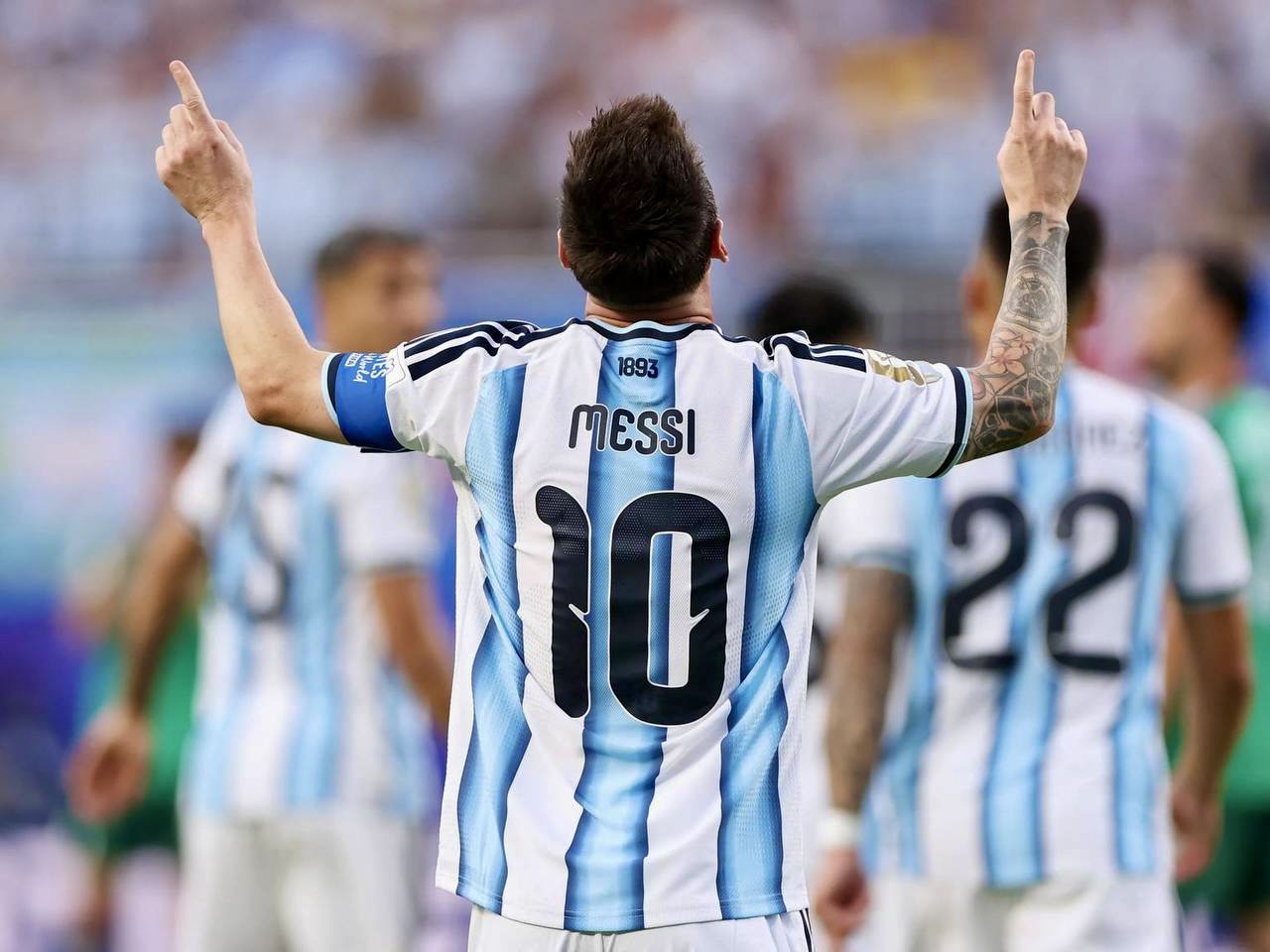
Lionel Messi produced two assists in the space of seven minutes — in the 85th minute for Enzo Fernandez and in the 92nd for Lautaro Martínez, who headed home the winner.
Western Experts Unite in Condemning Tuchel’s Tactics
Western media and pundits agreed on one thing: the main culprit for the defeat was England manager Thomas Tuchel. His decision to switch to a defensive approach after Gordon’s goal was labelled a “disaster” and a “repeat of Gareth Southgate’s mistakes.”
Phil McNulty, BBC’s chief football writer, called this the most painful England defeat since 1966. In his words, “the players and manager Tuchel held immortality in their hands, but Tuchel’s catastrophic decision loosened their grip, and Argentina, led by Messi, rained wave after wave of attacks on them.”
McNulty highlighted the irony: “Tuchel’s unique advantage when he replaced Southgate was the idea that he would win the games his predecessor lost. That he wouldn’t be paralysed by the caution for which Southgate was criticised. Yet, when the decisive moment came and the pressure peaked, Tuchel showed the same tactical timidity and lost.”
Statistics are damning: from the moment Gordon scored until Martínez’s winner, England had just 12% possession.
Chris Sutton, Premier League winner with Blackburn, called Tuchel’s decisions a “managerial disaster”: “The fact that England went ahead and then effectively handed the initiative to Argentina is a managerial disaster from Thomas Tuchel. You can’t expect to defend for 30 minutes against Argentina of this quality.”
Wayne Rooney, former England captain, told the BBC: “We collapsed. It started with the manager and his decisions. It was too passive. Against this team, the world champions, that doesn’t work. This was the biggest test, and we didn’t pass it.”
Alan Shearer, also on the BBC, said such tactics might work against Norway or Mexico, but not Argentina: “Tuchel played his cards too early, and it backfired.”
Messi: “Immortal” and the Architect of Victory
The Western press universally praised Lionel Messi. The Argentine captain didn’t score himself, but his two assists in seven minutes decided the tie.
The Guardian ran with the headline: “English hearts broken as Argentina score dramatic stoppage‑time double.” The paper noted that “Messi provided his second assist, setting up Lautaro Martínez, who headed in the winner, ending England’s dream of reaching the final.”
The Independent also focused on England’s tragedy: “A familiar and sad World Cup ending exposes England’s and Thomas Tuchel’s regrets.”
Pre‑Match Predictions: Who Was Right?
Interestingly, pundits were split before the game. Roy Keane on ITV predicted Argentina would win, saying: “Honestly, I don’t think England will get it done against Argentina.”
Meanwhile, Alan Shearer and Ian Wright believed in England. Shearer forecast a 3–2 England win with goals from Bellingham and Kane. Wright said he wasn’t as afraid of Argentina as he was of France or Spain. Joe Cole and Micah Richards also thought England’s midfield power would be enough. As the match showed, their predictions did not materialise.
Argentina march on to the final, where they will face Spain on July 19 at MetLife Stadium in New Jersey. For Messi, this will be his last appearance on the biggest stage.
England will head to Miami for the third‑place play‑off against France. Tuchel’s future remains uncertain. As McNulty wryly noted, “the semi‑final can be rated as ‘satisfactory’, but in the harshest light — as a failure, because he was hired precisely so England wouldn’t have more bitter stories and disappointments.”