TEL AVIV (Realist English). July 2026 became yet another month of escalation in Turkey‑Israel relations. The two sides exchanged a series of harsh statements, accusations, and diplomatic démarches, culminating in a decision by an Istanbul court to put Israeli Prime Minister Benjamin Netanyahu on an Interpol international wanted list.
However, despite the war of words, Turkish officials have ruled out the possibility of open military confrontation.
Erdoğan Accuses Israel of “Addiction to War”
On July 4, Turkish President Recep Tayyip Erdoğan delivered sharp criticism of the Israeli government.
At a joint press conference in Istanbul with Pakistani Prime Minister Shehbaz Sharif, he said that “we cannot allow the current Israeli government, addicted to war, to once again shroud our region in the smell of gunpowder and blood.”
Erdoğan noted that Turkey seeks to create an environment where all residents of the region, regardless of faith, can live in peace and security.
Netanyahu Urges US Not to Sell F-35s to Turkey
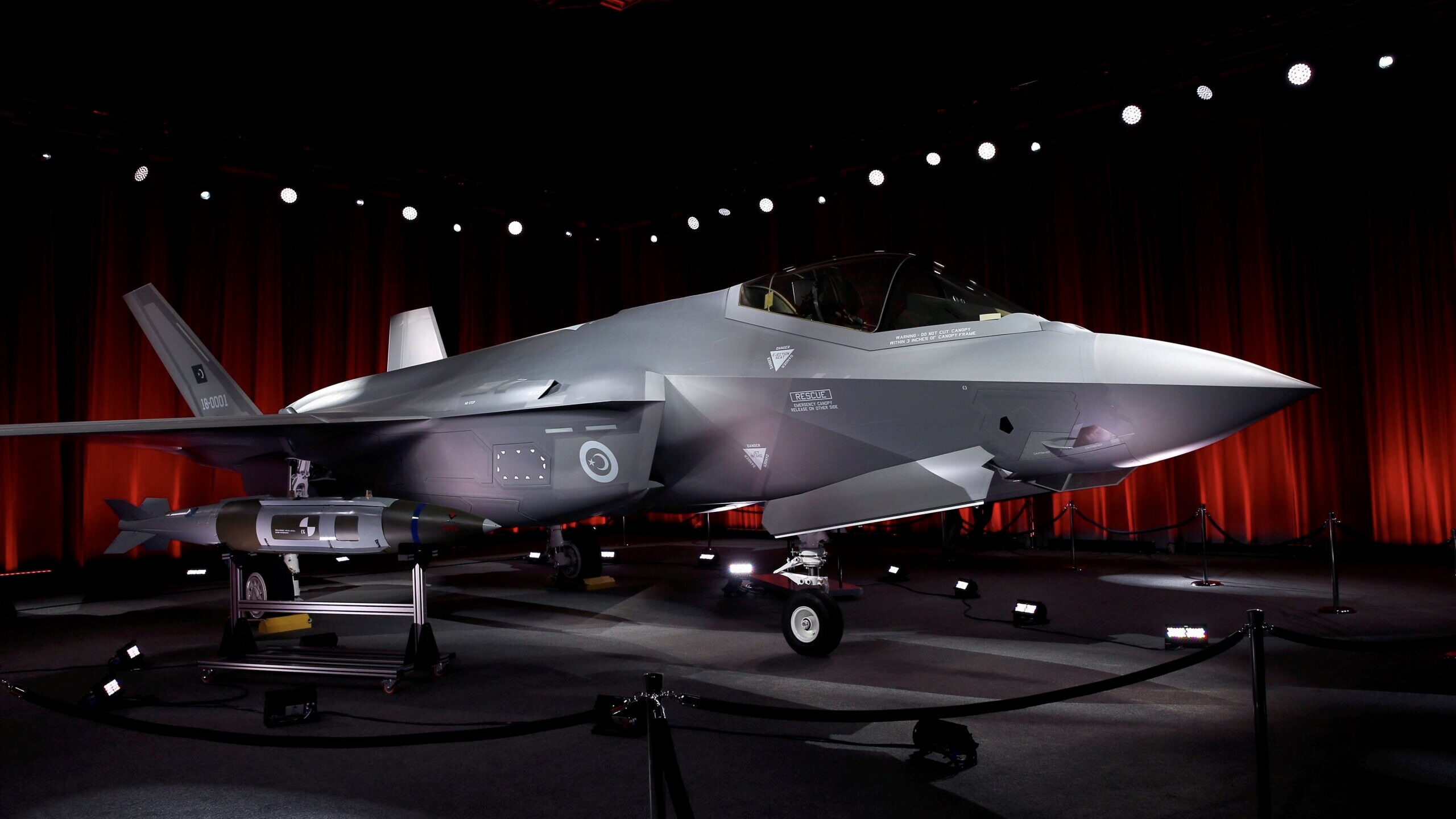
On July 6, Netanyahu, in an interview with Fox & Friends, called on President Donald Trump to halt the sale of F‑35 fighter jets and F100 engines to Turkey. He stated that Turkey “openly calls for the destruction of Israel” and warned that the delivery of F‑35s would “disrupt the balance of power in the Middle East.”
On July 7, in a CNN interview, Netanyahu reaffirmed his position: “Turkey has aggressive ambitions… This is not a force for peace and stability.” He also warned that the sale of F‑35s “will not make Turkey a friendly state to the United States.” The Israeli prime minister also said that President Trump and he agree “on almost all issues,” but acknowledged some differences.
Turkey immediately responded to Netanyahu’s statements. The country’s Defence Ministry accused the Israeli prime minister of conducting a “disinformation campaign” regarding Turkey’s role in the region.
Turkey’s Foreign Ministry, in turn, said that the claims by Israeli officials were part of a “coordinated disinformation campaign” designed to divert attention from Israel’s actions in Gaza. Ankara called on Israel to pursue “constructive and peace‑oriented policies.”
Pentagon Cancels Visit to Israel
US Defence Secretary Pete Hegseth cancelled a visit to Israel scheduled for July 8 due to the escalation of strikes with Iran.
This came after President Trump announced plans to lift restrictions on Ankara and the possible sale of F‑35s to Turkey.
Netanyahu Warns Trump of “Existential Threat” to Israel
In a phone call with President Trump, Netanyahu stressed that the statements of Turkish President Erdoğan and his officials, directed against “the existence of the State of Israel,” must be taken “with all seriousness.”
The Israeli prime minister effectively tried to convince Washington that Ankara represents an existential threat to the Jewish state.
Fidan: “No Grounds for Open Confrontation”
Turkish Foreign Minister Hakan Fidan attempted to lower the temperature in relations. He stated that “there are no grounds for open military confrontation between Turkey and Israel.” According to him, President Erdoğan “adheres to a course of peaceful resolution of conflicts and will not give in to possible provocations.”
In an interview with The National, Fidan called Netanyahu’s policies “a burden for Israel, a burden for the region, and a threat to international security.” He also expressed hope that the US‑Iran ceasefire could hold despite Trump’s statements about its end.
Turkey Puts Netanyahu on Interpol Wanted List
The culmination of the July escalation was a decision by an Istanbul court. A panel of judges from the 11th Criminal Court ruled to put Israeli Prime Minister Benjamin Netanyahu on an Interpol “red notice” wanted list. The Turkish side declared him an “especially dangerous criminal.” The lawsuit is linked to the detention of the “Sumud” Global Flotilla, whose activists intended to deliver humanitarian aid to Gaza. The Turkish side found evidence that Israeli authorities committed “crimes against humanity” against the activists.
Earlier, in March 2026, Turkey deployed six F‑16 fighter jets to the occupied part of Cyprus, which, according to Israeli media, was a “clear act of intimidation” directed at Israel, which lies less than 500 kilometres from Cyprus.
Rhetoric vs. Pragmatism
Israeli media, particularly The Jerusalem Post, note that Turkey is ceasing to be a “normal” US and NATO ally and is becoming a threat. According to Israeli analysts, Ankara is using Iran’s weakening to take a leading position in the Middle East. Support for Hamas is viewed not as solidarity with Palestinians but as part of a broader strategy.
At the same time, as Hakan Fidan’s position shows, Ankara is not interested in direct military confrontation. Turkey presents itself as a mediator in regional conflicts and claims to understand their dynamics better than others.
July 2026 demonstrated that Turkey‑Israel relations remain extremely tense. Verbal battles and diplomatic démarches continue, but both sides appear to recognise the risks of direct confrontation.
The issue of F‑35 sales remains open — it will depend on the position of Washington and the US Congress, which still maintain a ban on deliveries due to Turkey’s possession of Russian S‑400 systems.