YEREVAN (Realist English). In recent days, the Russian leadership has been increasingly openly expressing concern over Armenia’s political course, which, in Moscow’s view, is a direct consequence of external pressure and is leading to the severing of centuries-old ties.
Artificial Choice
Kremlin spokesman Dmitry Peskov stated that the Armenian leadership has artificially placed the republic before a choice between the EU and the Eurasian Economic Union (EAEU), forcing the country to “go either toward Europe or toward the EAEU.”
Moscow is confident that further rapprochement with the EU will inevitably come into conflict with the norms and rules of the EAEU, of which Russia is the economic core. Moscow has repeatedly stressed that Yerevan should not attempt to improve relations with Brussels at the expense of the finances of its EAEU allies.
The Kremlin accuses Nikol Pashinyan of deliberately driving the country into an “either-or” trap, even though membership in both integration blocs is objectively incompatible.
The Ukraine Example?
Russian Presidential Aide Yuri Ushakov, speaking at the Primakov Readings forum, directly called Armenia the “prime example” of how the West uses peoples who have lived alongside Russia for centuries to tear them away from us. According to him, targeted efforts to undermine integration blocs involving Russia are evident in Yerevan.
Ushakov stressed that proponents of a “rules‑based order” are trying to challenge the historical and geographical ties between peoples, and “what this can lead to is clearly shown by the example of Ukraine.”
This is an unambiguous warning: Moscow is directly associating Yerevan’s current course with the fate of Kyiv, which, in the Kremlin’s view, became a victim of Western manipulation.
Membership Without Participation
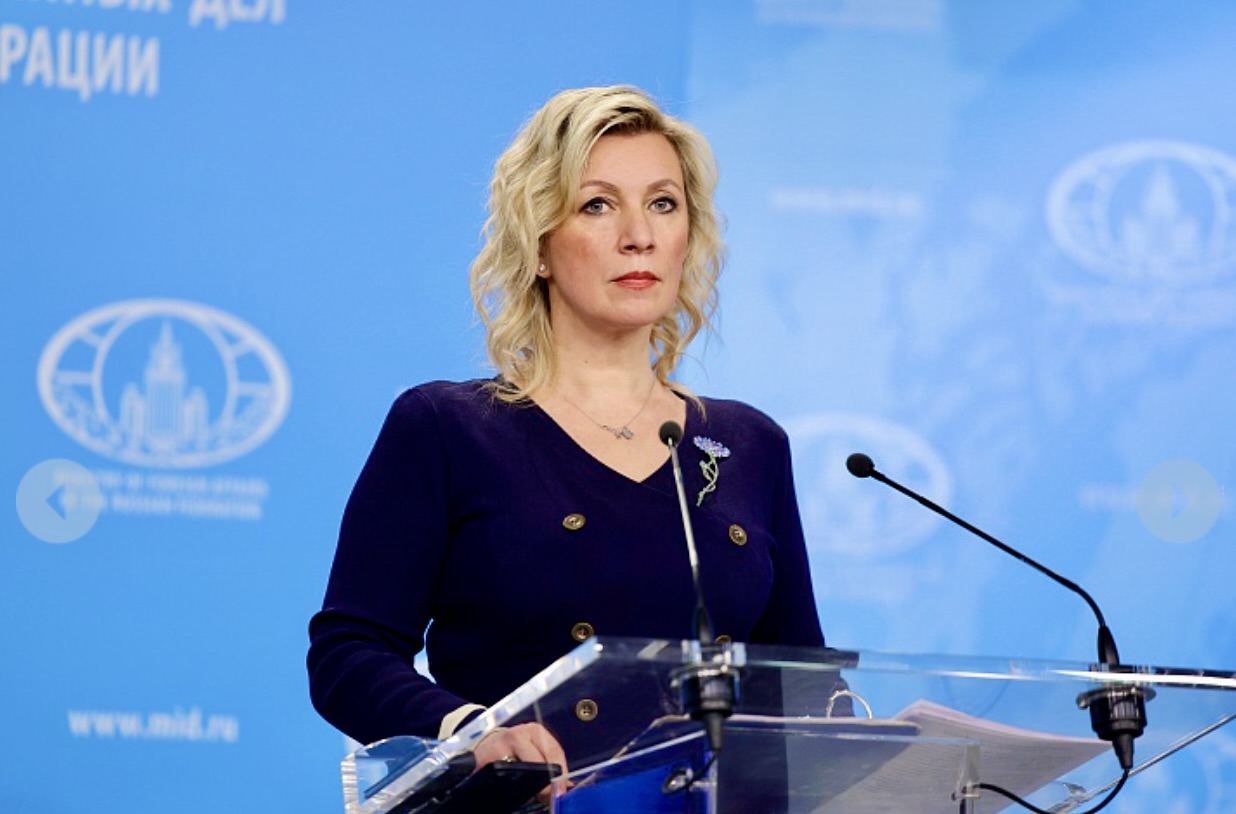
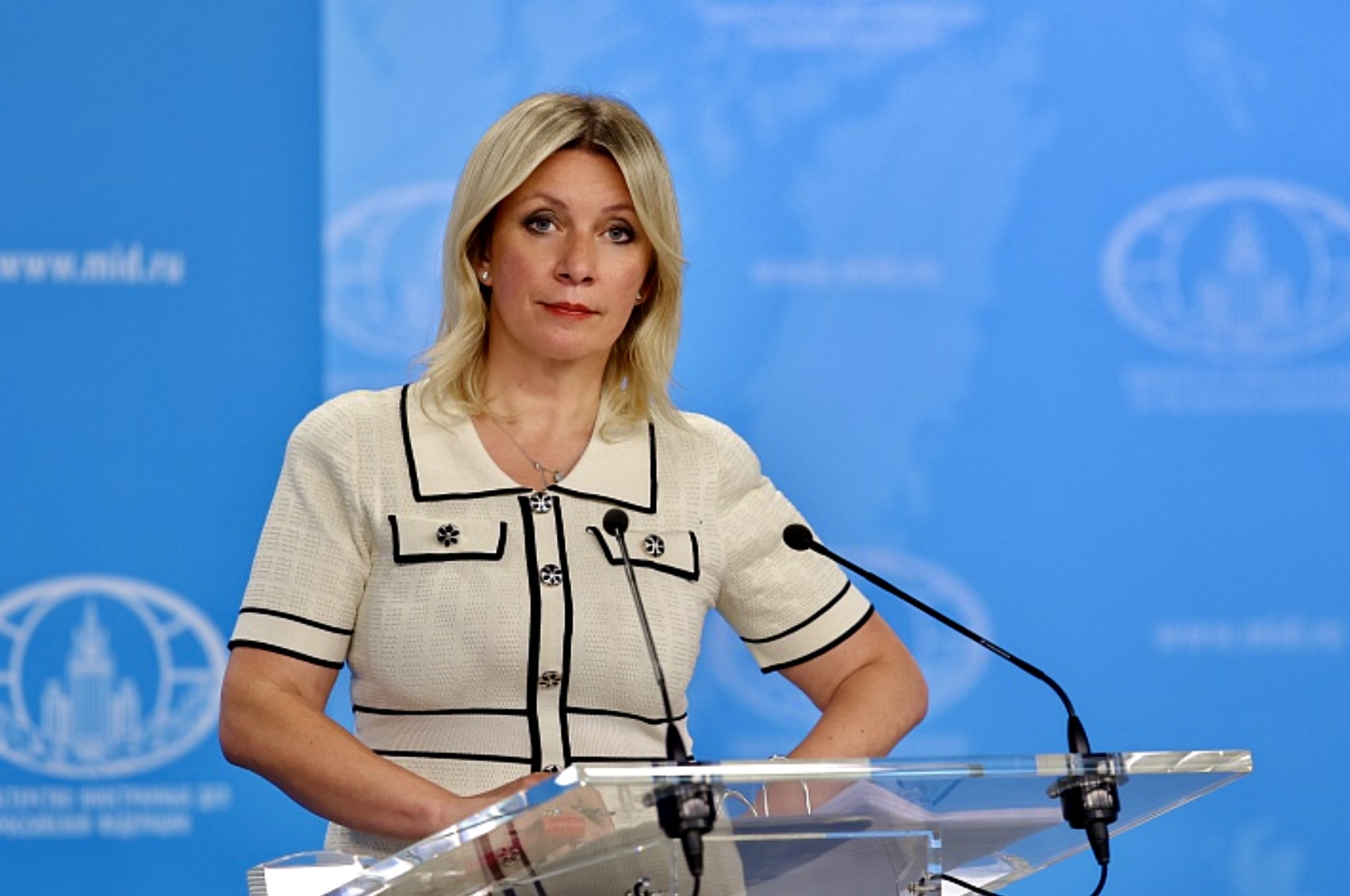
Russian Foreign Ministry spokeswoman Maria Zakharova noted the paradoxical situation: “Armenia has refrained from participating in CSTO‑format events for more than two years, while remaining a full member, retaining all corresponding rights and obligations.”
At the same time, Pashinyan himself stated that Armenia would leave the CSTO “when it becomes necessary.” Moscow, apparently, views this tactic as an attempt to sit on two chairs: to retain formal rights in the defence alliance while effectively sabotaging its activities and simultaneously demonstrating loyalty to the West.
Yerevan Bets on the West, Forgetting About Debts
Armenian Security Council Secretary Armen Grigoryan will travel to Gdansk, Poland, on June 24–25 to participate in a conference on Ukraine’s reconstruction. The participation of a senior Armenian official in this event is further evidence of Yerevan’s persistent course toward integration into Western political projects, even those that are openly anti‑Russian in nature.
At the same time, Armenia is conducting negotiations on normalising relations with Ankara. Armenian Deputy Foreign Minister Vahan Kostanyan stated that Yerevan expects to open borders with Turkey and Azerbaijan by 2030. However, Moscow views this not as a step toward stability, but as part of the West’s geopolitical game to reshape transport and logistics flows in the South Caucasus, bypassing Russia.
‘Ayakve’ Under Attack
On June 24, Avetik Chalabyan, coordinator of the opposition “Ayakve” (“Armenian Vote”) movement, was detained in Armenia.
Armenia’s Investigative Committee did not disclose details, but the movement itself called the detention “fabricated.”
On April 29, 2026, the “Strong Armenia” bloc and the “Ayakve” movement signed a memorandum of cooperation, pledging to join forces to remove the current government through the parliamentary elections of June 7, 2026, and to form a new national authority.
Chalabyan advocates for the consolidation of opposition forces and the creation of an opposition coordination council. His detention came two days before a session of the Constitutional Court, where opposition lawsuits are to be considered.
The politician’s wife, Anait Adamyan, said that the timing of the detention was no coincidence and is directly linked to the upcoming legal proceedings. According to her, police and investigators entered their home at about 7:10 a.m., conducted a search, found nothing illegal, but seized her husband’s phone.
“This is obvious political persecution,” Adamyan said.
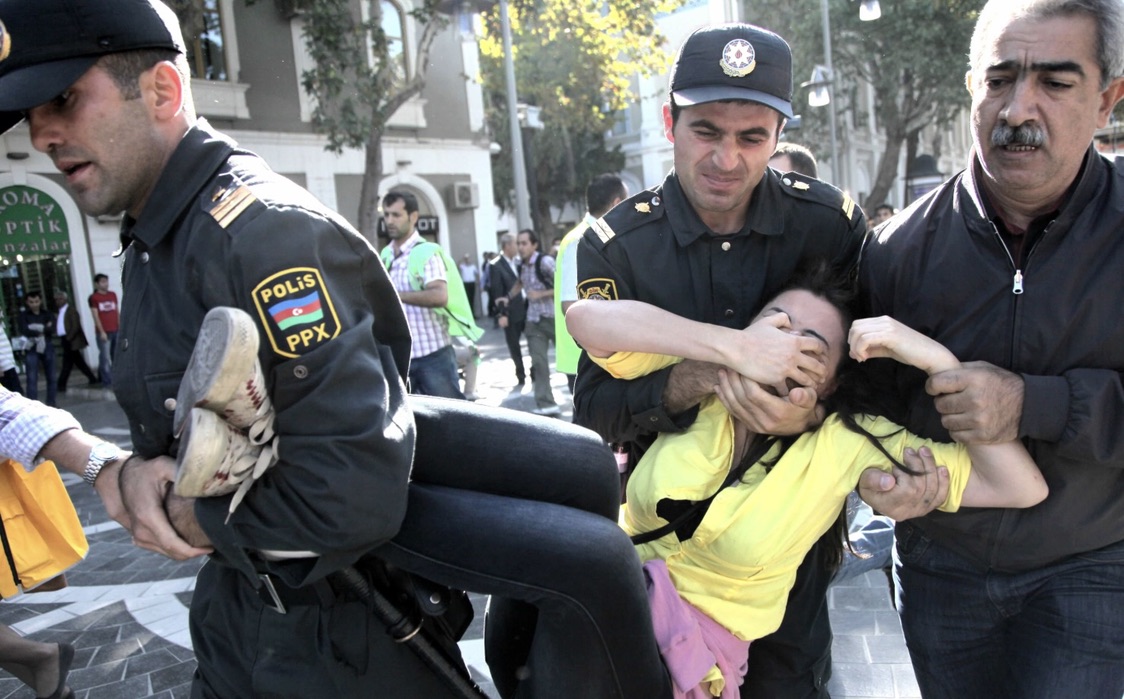
The arrest of one of the opposition leaders, against the backdrop of the dispersal of protests and criminal cases against political opponents, looks like another wave of repression. Pashinyan is methodically cleansing the political field of disloyal forces.
Technological Transit: A Pyrrhic Victory
As an example of “successful” cooperation with Baku, the Armenian authorities are promoting an agreement on internet traffic transit. On June 22, AzerTelecom and Telecom Armenia signed an agreement on transit of traffic through Azerbaijani territory.
Formally, this is a diversification of communication routes, but in reality it is another concession to Baku, which gains leverage over Armenia’s digital infrastructure. Dependence on Azerbaijani transit in the absence of security guarantees and trust between the countries is not a technological breakthrough but a ticking time bomb.
Pashinyan’s actions paint a picture of a consistent and rigid foreign policy drift toward the West and the surrender of positions in the post‑Soviet space. Moscow sees a direct analogy with the Ukrainian scenario and does not hide its concern.
At the same time, a wave of repression against the opposition is growing inside the country, which in Yerevan is being presented as a “struggle for democracy,” but in reality is the suffocation of any alternative political thought. Armenia, which until recently was considered a strategic ally of Russia, is rapidly moving along a path that the Kremlin calls “lost for friendship and cooperation.”