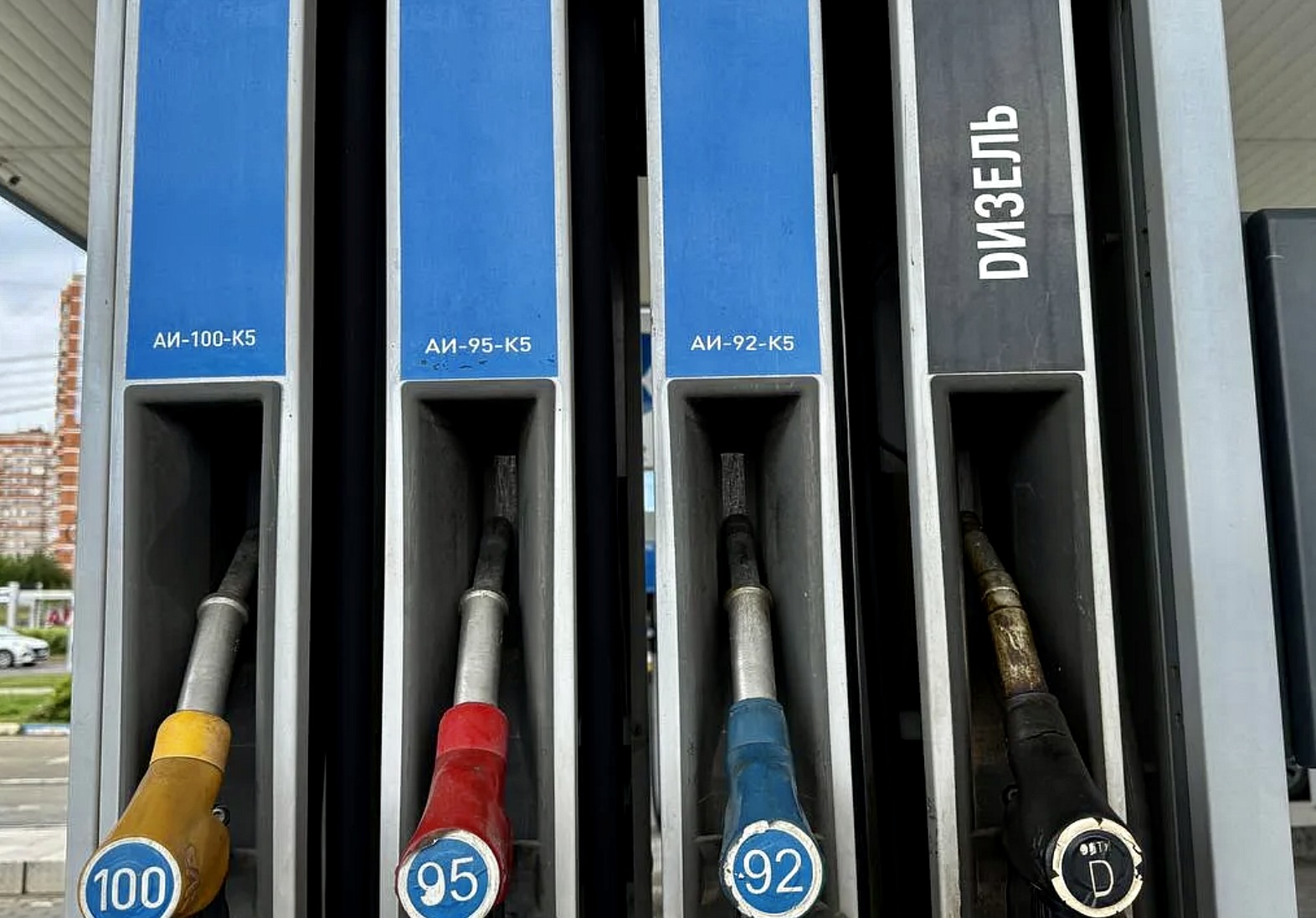
MOSCOW (Realist English). The Russian government introduced a full ban on exports of diesel fuel, marine fuel and gas oils from July 8.
The decree was signed in order to maintain a stable situation on the domestic fuel market. The ban, effective until July 31, 2026, now applies to producers of petroleum products — previously it only applied to non‑producers.
The restrictions do not apply to supplies under international intergovernmental agreements. Simultaneously with the ban, Russia is starting to import fuel from other countries to cover the shortfall.
Chronology of the Crisis
The fuel crisis in Russia developed rapidly over several months. Since late April 2026, Ukrainian drones have struck all ten of Russia’s largest oil refineries.
The attacks, according to the Ukrainian side, were a response to the Russian offensive and an attempt to force Moscow into negotiations. As a result of the strikes, the worst affected was the Omsk refinery — the country’s largest, where production was halted after the attack on July 6.
In June, exports of diesel fuel from Russia fell to 7.93 million barrels — 45% less than in May, and 39% below the three‑month average.
The crisis affected more than 90% of Russian regions, where restrictions on fuel sales were introduced: rationing in litres per person or a ban on filling canisters.
Government Decision and Market Reaction
Deputy Prime Minister Alexander Novak announced the introduction of a full ban on diesel exports at a meeting with President Vladimir Putin.
Novak also said that authorities had increased the utilisation of operating plants to the maximum level, released previously accumulated reserves to the market, shortened the duration of current repairs, and postponed scheduled maintenance to later dates. At the same time, a ban on petrol exports has been in effect from April 1 to July 31, and on aviation kerosene from June 1 to November 30.
The Deputy Prime Minister acknowledged that “the situation remains difficult” and that demand for fuel had increased by about a third. At the same time, President Putin said that according to the Agriculture Ministry, there were no problems with fuel reserves in the country, calling the situation “not critical.”
At the same time, the Ukrainian side interpreted the ban as evidence of the effectiveness of strikes on Russian energy infrastructure.
The market reacted instantly. European margins on diesel fuel reached a record $60.17 per barrel, and diesel prices in the US rose by more than 13%. Wholesale diesel futures in London jumped 14% to $1,114 per tonne — the highest level in a month.
As Neil Crosby, head of oil research at Sparta Commodities, noted, “the market currently does not have enough capacity to compensate for zero Russian diesel exports.”
Impact on Global Markets
Russia is the world’s second‑largest exporter of diesel fuel. After the start of the special military operation in Ukraine in 2022, the country redirected export flows to Brazil, Turkey and the Middle East after the European Union rejected Russian petroleum products.
The export ban comes amid fresh turmoil in global energy markets: US President Donald Trump announced the end of the ceasefire with Iran and revoked sanctions waivers on Iranian oil. As a result, oil prices rose by about 5.5%.
Analysts warn that a reduction in Russian diesel exports could increase inflationary pressure on the global economy.