MOSCOW (Realist English). Russia’s average total fertility rate currently stands at 1.4 children per woman, with a marked gap between urban and rural areas, according to Vyacheslav Volodin, Speaker of the State Duma.
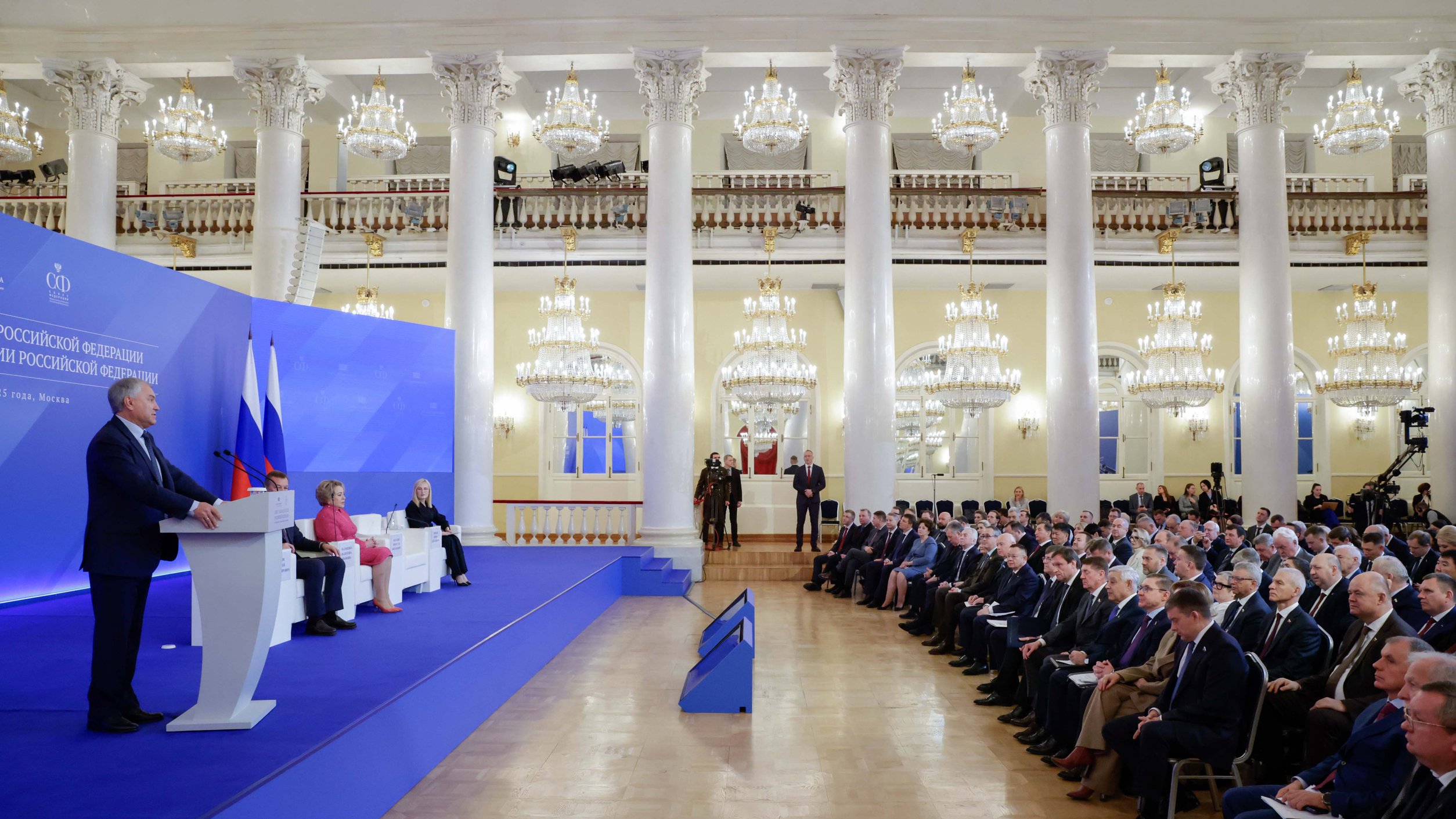
Speaking at a meeting of the Council of Legislators under the Federal Assembly, Volodin said the fertility rate in cities is around 1.3, while rural areas have reached 1.6 — the target level set at the federal level. He argued that policy efforts should therefore shift toward preventing population outflows from rural areas and small towns, rather than dealing with the consequences of demographic decline after it has already taken hold.
“Perhaps we should start by stopping the outflow of people from villages and small towns, creating proper conditions there, instead of later trying to solve a problem that is, to some extent, man-made,” Volodin said.
He stressed that housing policy should play a central role in this strategy, calling for a reassessment of approaches to residential construction and housing provision in rural areas and small population centres. Making these locations attractive for living and raising families, he said, is essential to sustaining higher birth rates.
Volodin also linked demographic trends directly to Russia’s national development goals set by President Vladimir Putin, warning that failure to meet them would have existential consequences. “The task set by the President within the national development goals on demography must be achieved. There is simply no alternative — otherwise, there will be no country,” he said.
Demography remains a priority issue for both federal and regional authorities amid falling birth rates and ongoing urbanisation, particularly affecting central and northwestern regions of Russia.