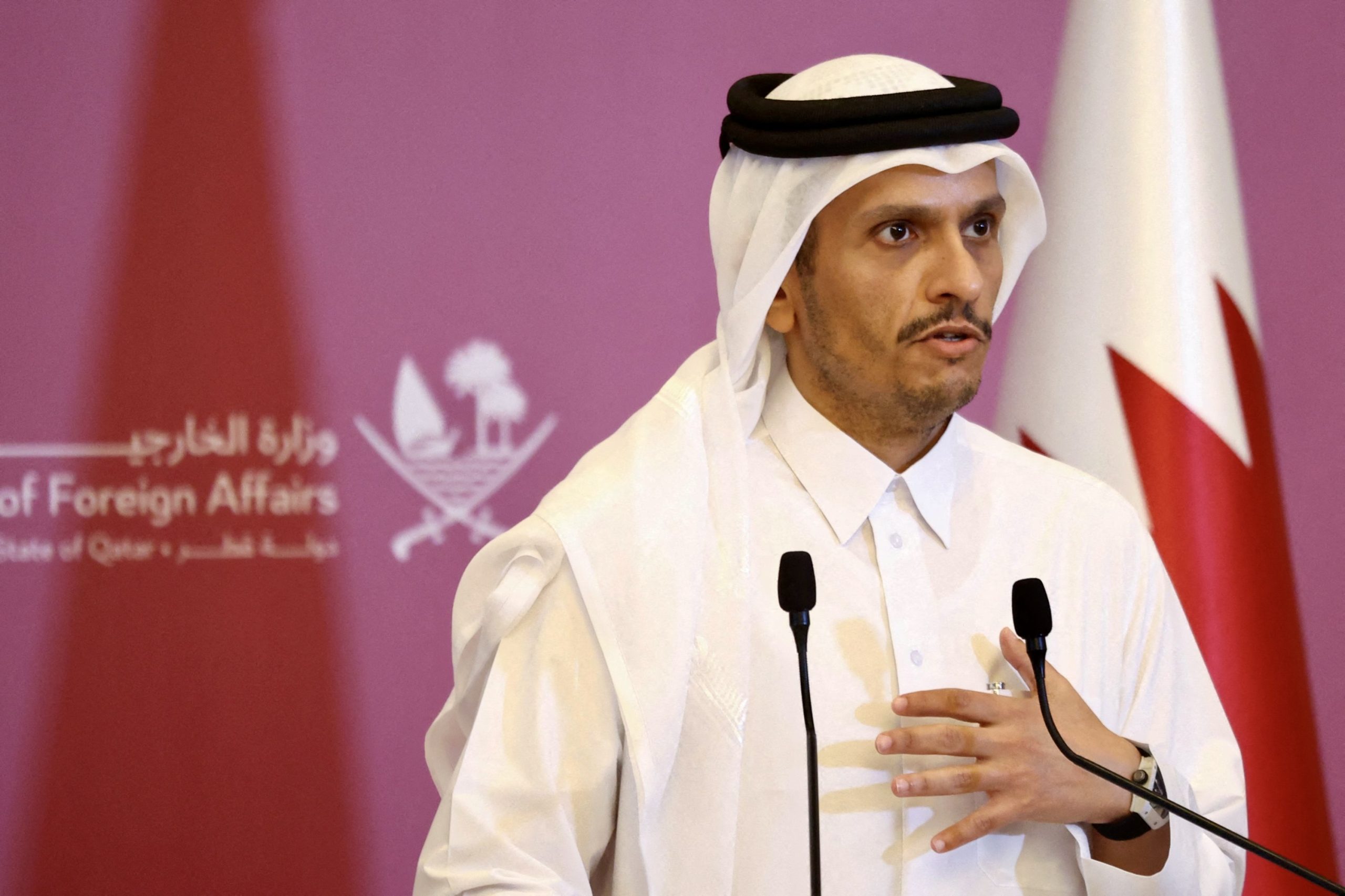
MOSCOW (Realist English). Russian Foreign Ministry spokeswoman Maria Zakharova stated at a briefing on June 25 that Iranian partners are showing growing interest in the development of the International North-South Transport Corridor (INSTC).
According to her, against the backdrop of the unstable situation in the Strait of Hormuz, this route is acquiring particular importance both for ensuring bilateral trade and for the sustainable supply of essential goods to Iran.
“Other countries neighbouring Iran are also showing interest in the international transport corridor,” Zakharova added.
Rasht-Astara Project: Work Resumed
Responding to a question about the fate of the railway construction project for the Rasht-Astara section — a key link in the western branch of the INSTC — Zakharova confirmed that engineering surveys for the future route resumed as soon as the military-political situation allowed.
“The credit line for financing the railway construction project was not frozen,” she emphasised.
Moscow expects the signing of an executive contract and the resolution of a number of technical issues to begin practical work on the site as soon as possible.
Significance of the Corridor
The military conflict in the Middle East that began on February 28, 2026, has made adjustments to the implementation of a number of joint Russian-Iranian projects. However, as Iranian Ambassador to Moscow Kazem Jalali previously stated, the Iran-Israel conflict did not affect the continuation of work on joint projects, including the Rasht-Astara railway.
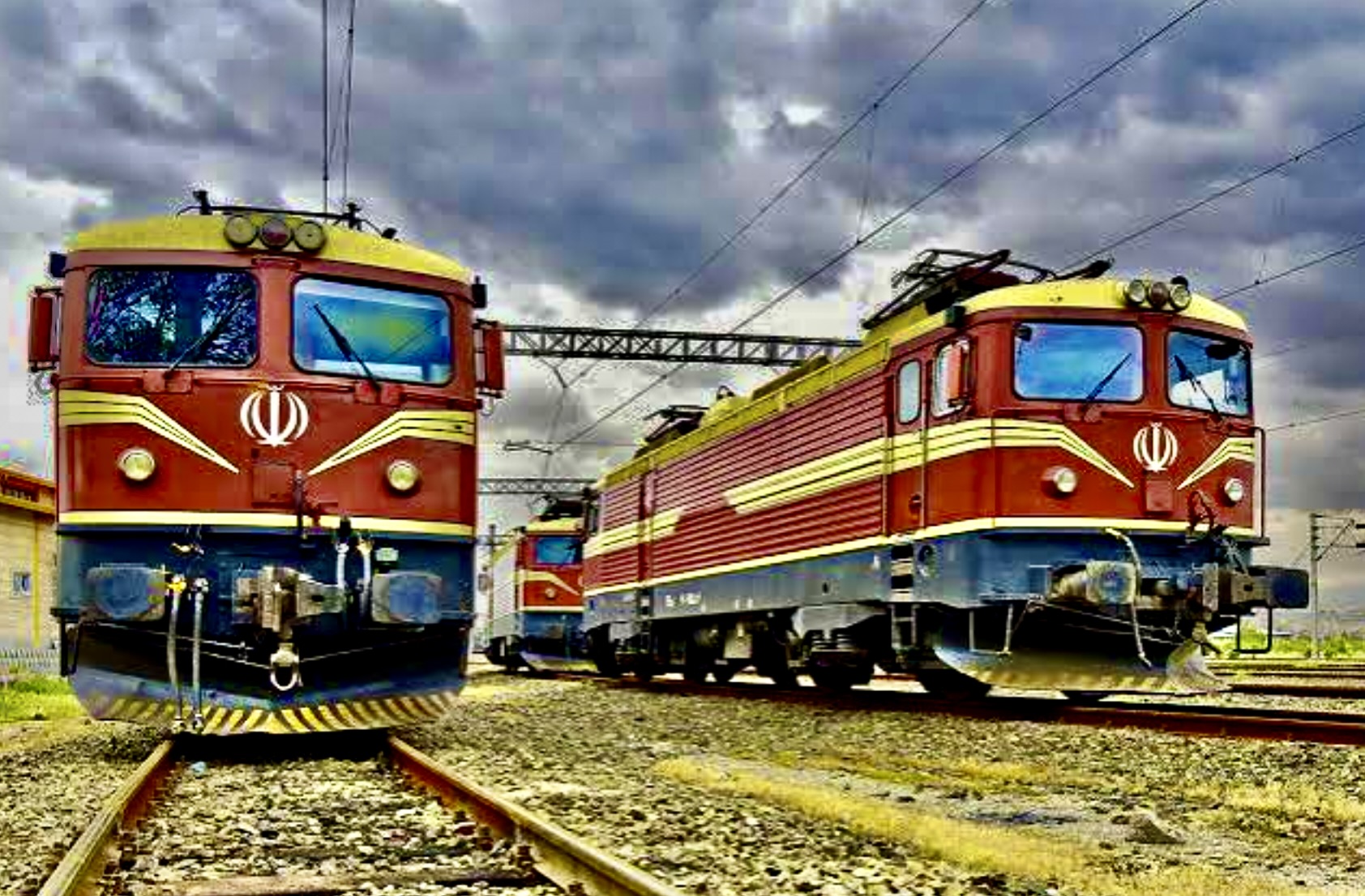
The agreement on the joint construction of a 162‑kilometre section of the Rasht-Astara railway between Iran and Azerbaijan was concluded by Russia and Iran in 2023. The project is estimated at €1.6 billion.
The section is considered a “missing link” in the corridor connecting Iran and Russia through a network of railway, road and sea routes. The construction plan includes 162 km of railway track, eight new stations, 56 overpasses, 73 bridges and 30 viaducts.
The total length of the International North-South Transport Corridor is about 7,200 km and connects the Baltic region with India via Iran and Russia.
Prospects
Despite the difficult military-political situation in the region, the Russian side confirms its readiness to implement the project. As Zakharova noted, the North-South corridor is acquiring even greater importance amid the instability in the Strait of Hormuz.
The signing of the executive contract and the completion of technical approvals are expected to allow practical work to begin in the near future.
From the Baltic to the Indian Ocean
The agreement to create a multimodal transport corridor of about 7,200 km was signed by Russia, India and Iran on September 12, 2000 in St Petersburg. The route is intended to connect the Baltic region with India and the Persian Gulf countries through the territories of Iran and Russia.
To date, 13 countries have ratified the agreement: Azerbaijan, Armenia, Belarus, Kazakhstan, Kyrgyzstan, Oman, Syria, Tajikistan, Turkey and Ukraine, as well as Bulgaria as an observer.
In June 2026, Russian Transport Minister Andrei Nikitin announced the preparation of agreements with new countries — India, Oman, Qatar, the UAE and Saudi Arabia. Negotiations are also underway with Afghanistan, Kenya and Pakistan.
According to experts, the development of the corridor opens up new opportunities for Russian regions, especially the Urals and Siberia, and strengthens economic ties with the countries of Central Asia, the Middle East and Southeast Asia.
Freight Volumes: Growth Continues
At the end of 2025, freight traffic along the INSTC amounted to about 21.5 million tonnes, an increase of 39% over the past five years.
In container terms, in 2025 the volume of traffic increased from 7,200 to 11,500 containers. Rail container traffic with Iran and onwards to South Asia, Africa and the Middle East grew by 60%, while average delivery times fell from 33 to 16 days.
In the first four months of 2026, cargo traffic along the corridor increased by 87%. The most active dynamics were recorded on the Trans-Caspian route through Kazakhstan and Turkmenistan, where growth was 98%. Russian exports to Iran over the same period grew by more than 56%.
Three Routes: Western, Eastern and Trans-Caspian
The North-South corridor includes three main routes:
- Western route — through Azerbaijan to Iran. The capacity of checkpoints on the border with Azerbaijan has increased fivefold since 2022 — to 1,900 trucks per day.
- Trans-Caspian route — through the Caspian Sea between Russian and Iranian ports. In 2023, large-scale dredging works were carried out in the Volga-Caspian Sea Shipping Canal, ensuring the passage of vessels with a draft of up to 4.5 metres.
- Eastern route — through Kazakhstan and Turkmenistan to Iran. Since September 2022, a regular container service by Russian Railways has been operating successfully.
The most important link in the western route remains the construction of a 162‑kilometre railway section of Rasht – Astara in northern Iran. The Russian side is allocating €1.6 billion for the project.
Despite the military conflict in the Middle East that began on February 28, 2026, work has not stopped. As Maria Zakharova stated, “engineering surveys for the future route resumed as soon as the military-political situation allowed,” and “the credit line for project financing was not frozen.”
Iran has transferred land for the construction of the section to Russia and is making efforts to buy all the necessary territories by the third decade of 2026. The signing of an executive contract and the earliest possible start of practical work is expected.
Competition with the Suez Canal
After the completion of the Rasht – Astara section, the corridor’s capacity is estimated at 15–30 million tonnes of cargo per year. Travel time from the Baltic region to South Asia will be reduced from 35–45 days to 15–20 days — twice as fast as the route via the Suez Canal.
As Deputy Prime Minister Vitaly Savelyev previously noted, “this corridor will provide a capacity of 15 million tonnes of cargo and will compete with the Suez Canal.”
In the long term, the route will develop primarily as a direction for export-import shipments. The Armenian section of the corridor, according to experts, could provide an additional cargo flow of between 500,000 and 1.5 million tonnes. The authorities are also considering the possibility of integrating the route with the “Middle Corridor” to redistribute cargo flows.
The “North-South” corridor is no longer just a protocol of intent — it is becoming a working transport artery capable of changing the logistics map of Eurasia.