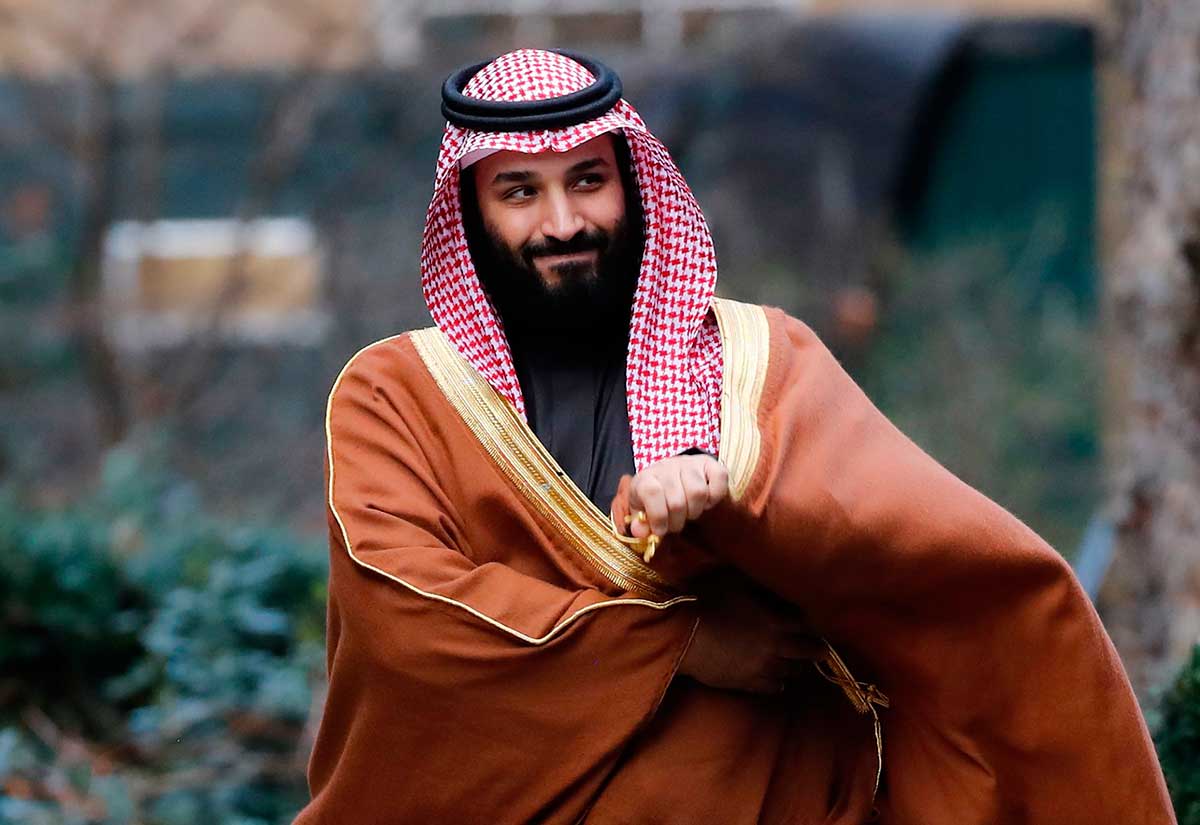
RIYADH (Realist English). When Sheikh Abdulaziz al-Alsheikh, Saudi Arabia’s grand mufti, was asked in 2017 about the kingdom’s plan to lift its ban on cinemas and concerts, he warned that music and film were “harmful and corrupting” and would erode Muslim values. Weeks later, Crown Prince Mohammed bin Salman moved ahead anyway, removing the restrictions, vowing to root out “extremist ideas” and sidelining the cleric — who died last week.
Since then, the crown prince has pursued the most sweeping liberalisation of Saudi Islam in generations. He curtailed the religious police, limited judges’ discretion to interpret sharia law, reduced religious studies in schools and relaxed gender segregation. Shops once forced to close five times daily for prayers now remain open; women are driving, working in record numbers and appearing more freely in public; red roses for Valentine’s Day and Christmas decorations are openly sold.
Analysts say the changes mark a profound shift in a country long accused of exporting radicalism, particularly after 9/11. “What they’re doing is making a more tolerant version of Islam,” said David Rundell, a former senior US diplomat in Saudi Arabia. A Western envoy in Riyadh added that Prince Mohammed is “the first Arab leader to intellectually and seriously take on Islamists” at the heart of the Muslim world.
The reforms are part of Prince Mohammed’s bid to return Saudi Arabia to a trajectory he claims was interrupted in 1979, when the Iranian revolution and a militant siege of Mecca prompted the kingdom to adopt a harsher form of Islam. For decades, clerics like Alsheikh were granted broad authority to shape society and spread their message abroad. After 9/11, when 15 of the 19 hijackers were Saudis, this influence came under intense scrutiny.
Today, institutions such as the Muslim World League (MWL) have been repurposed to project a more moderate image. Under Sheikh Mohammed al-Issa, a former justice minister and potential successor as grand mufti, the MWL has shifted from funding mosques overseas to hosting interfaith conferences and promoting religious tolerance. “The reforms came to restore things to their correct state,” Issa told the Financial Times, arguing that Islam had been hijacked and distorted.
One of the crown prince’s most ambitious projects is a review of the vast body of hadith — sayings attributed to the Prophet Mohammed — to identify a reliable core that would serve as the basis for modern legislation. In a 2021 interview, he said only a “very few” sayings with solid attribution chains should underpin law or punishment, dismissing even the writings of Mohammed bin Abdulwahhab, founder of Wahhabism, as open to scrutiny.
Yet the liberalisation has been accompanied by an authoritarian clampdown. Prominent clerics such as Salman al-Oudah have been jailed, with advocacy groups warning he could face the death penalty for alleged ties to the Muslim Brotherhood. Activists say the suppression of public debate between conservatives and liberals has left uncertainty over the depth of resistance to reforms.
Still, the daily life of Saudis has changed dramatically. “When young people discuss their problems today, they don’t ask whether something is halal or haram,” said Sultan Alamer of the New Lines Institute. “With the fall of clerics, they have been replaced by lawyers, social media influencers and life coaches.”