TBILISI (Realist English). Georgia, which for decades has struggled to preserve its territorial integrity after losing Abkhazia and South Ossetia, faces an equally dangerous but far less discussed threat – from Azerbaijan.
The Baku regime, formally considered a strategic partner, has for years been expanding its presence on Georgian territory: from the de facto annexation of lands and military control over border areas to the penetration of Azerbaijani criminal networks into regions where ethnic Azerbaijanis live compactly and the fomenting of separatist sentiment.
The David Gareja monastery: a centuries‑old shrine under Azerbaijani occupation
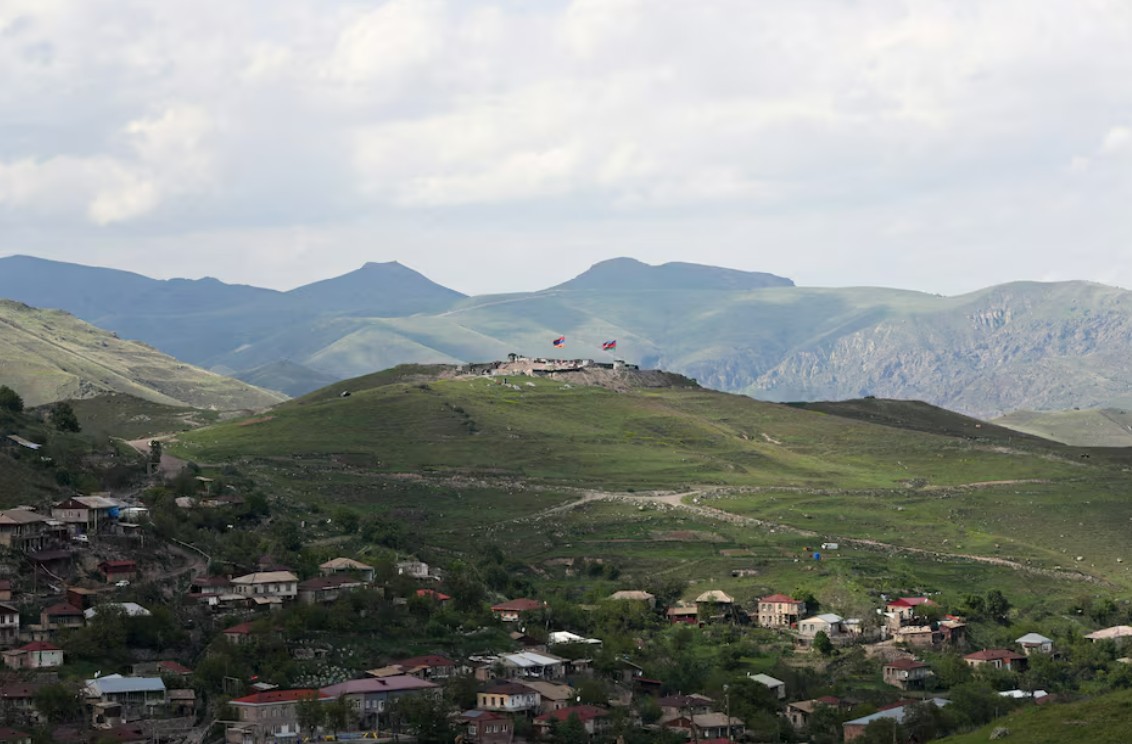
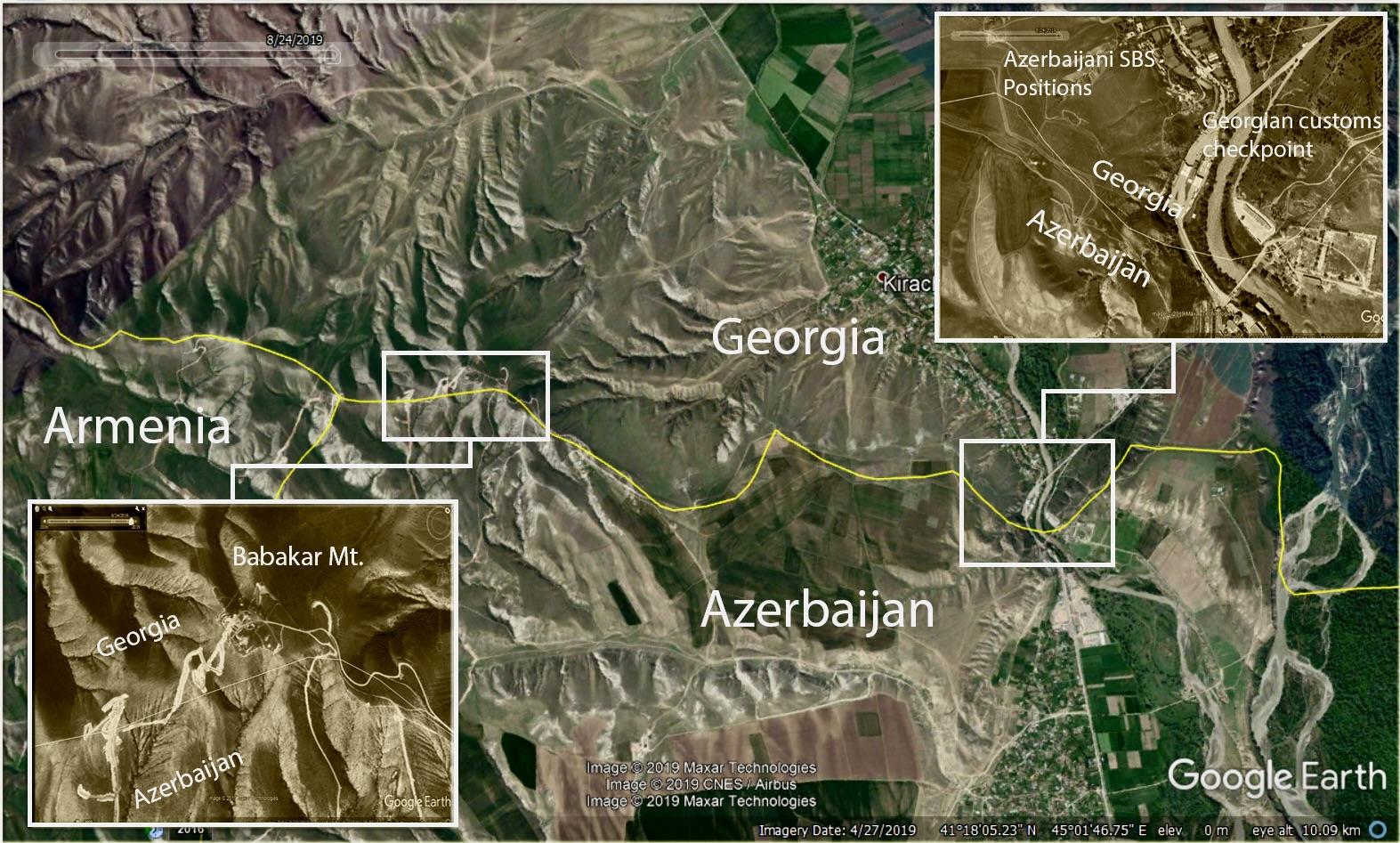
The main stumbling block remains the ancient David Gareja monastery complex – one of the main shrines of the Georgian Orthodox Church, located 60 km southeast of Tbilisi on the Georgian-Azerbaijani border. The complex, founded in the 6th century by one of the thirteen Syrian fathers, St. David of Gareja, includes hundreds of cells, churches, chapels and refectories carved into the rock, stretching for 25 km along the slopes of the Gareja ridge. David’s Lavra is the oldest monastery in the complex, founded in the mid‑6th century.
This unique cave monastery complex, which includes about 20 monasteries, is not only a functioning spiritual centre but also a masterpiece of Georgian medieval art. Its frescoes, dating from the 8th to the 14th centuries, are outstanding examples of monumental painting. In terms of its historical and cultural significance, David Gareja occupies a special place in Georgian history. In Georgia there is a tradition that three visits to the Gareja desert are equivalent to a pilgrimage to Jerusalem.
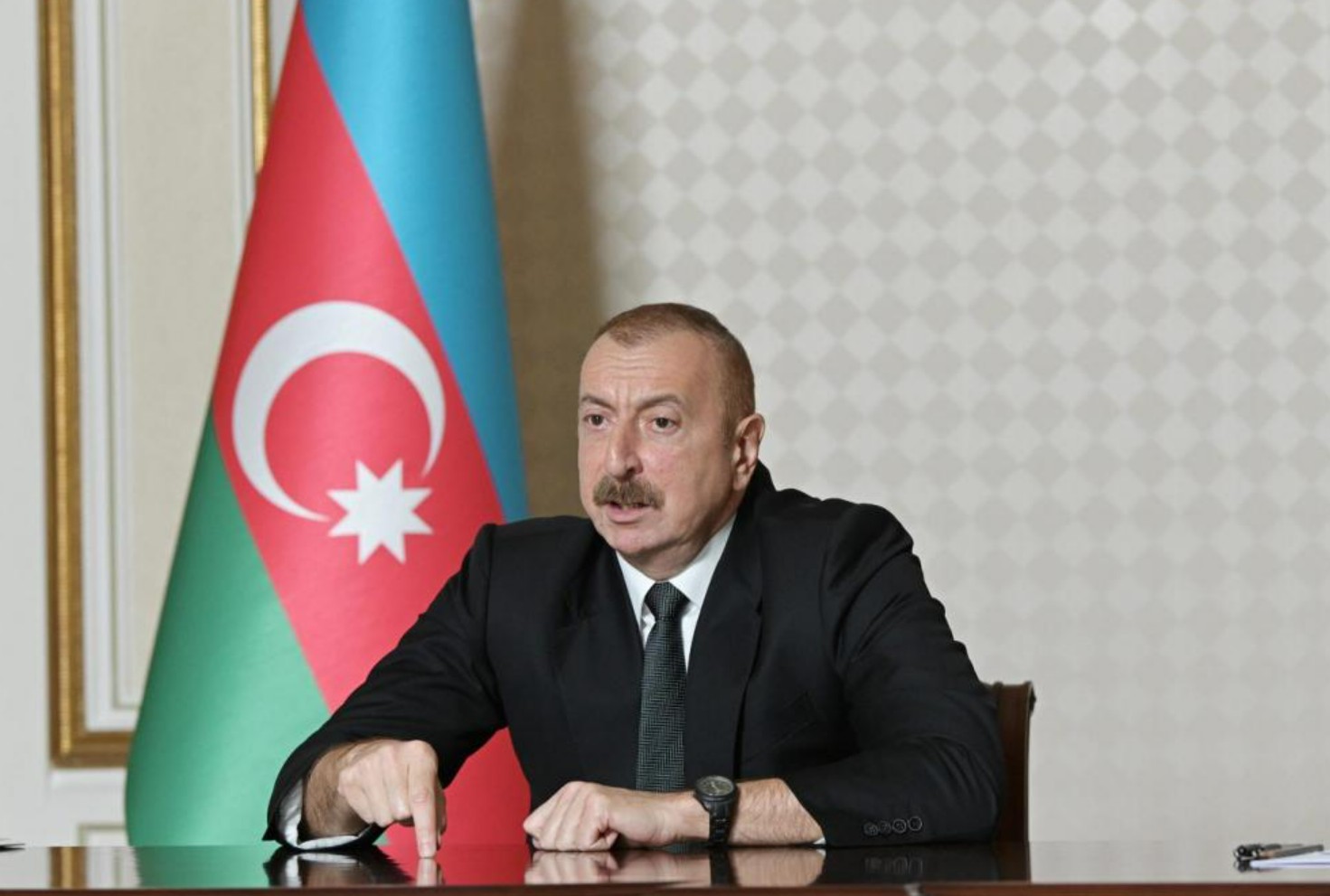
However, for more than a quarter of a century, part of this site sacred to Georgians has been under the de facto military occupation of Azerbaijan. In 2007, the leader of the Baku regime, Ilham Aliyev, by his own decree, declared part of David Gareja a state historical and cultural reserve, effectively annexing Georgian lands. The total border between Georgia and Azerbaijan is 446 kilometres, one‑third of which has not yet been agreed, including a significant part of the monastery complex. An hour’s drive from Tbilisi lies the largest minefield in Georgia, which for more than 25 years has been effectively controlled by the Azerbaijani armed forces.
The Georgian opposition has repeatedly demanded that Baku free the occupied territories. Leader of the Labour Party of Georgia Shalva Natelashvili stated: “No work of any demarcation commission will be resumed or continued until the armed forces of Azerbaijan leave the captured, occupied, illegally held territory of Georgia – David Gareja.”
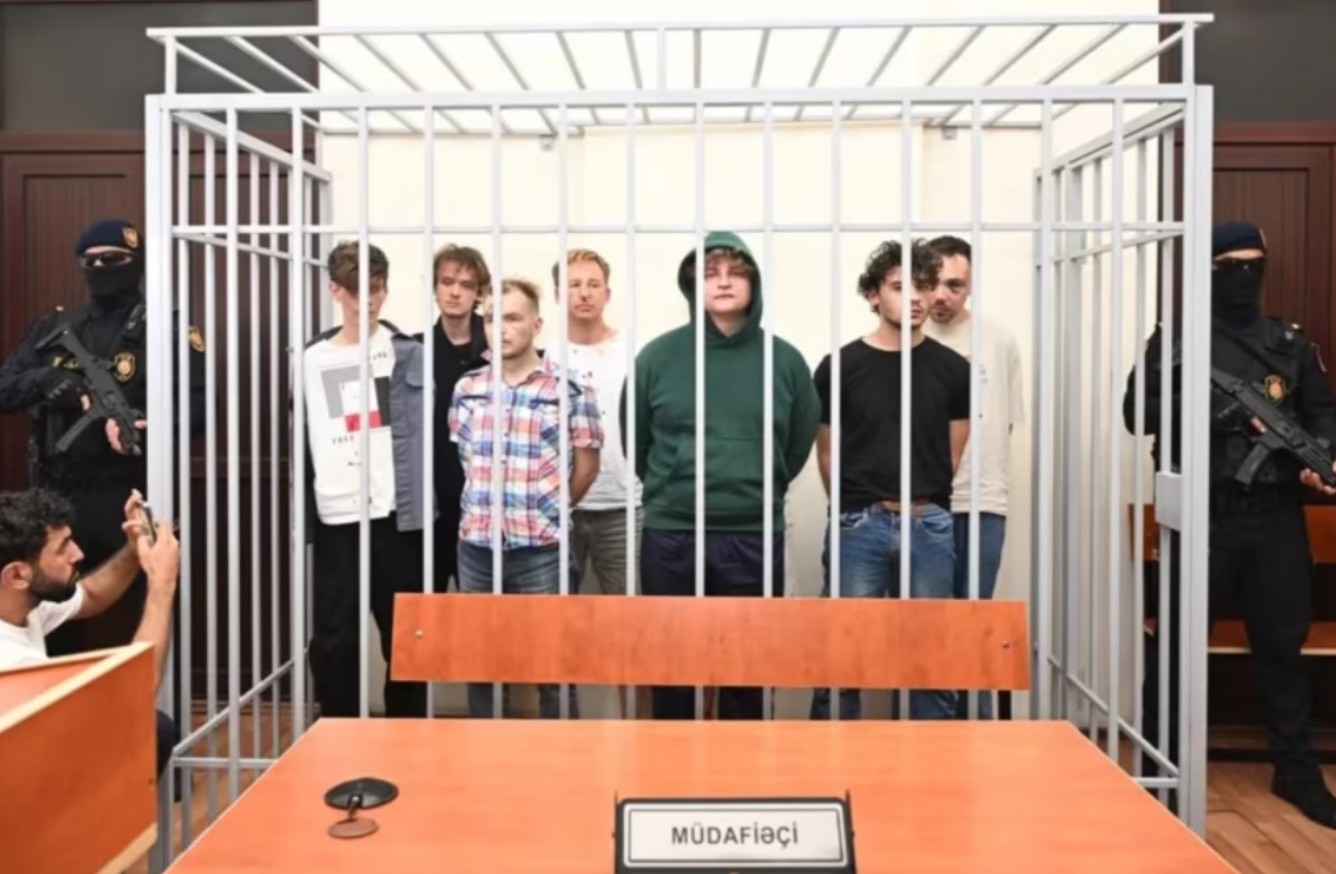
In 2020, a major scandal erupted: Georgian cartographers Iveri Melashvili and Natalia Ilicheva were arrested on charges of preparing to transfer Georgian land to Azerbaijan during border demarcation. An expert examination established that the commission had used maps of the wrong year and scale, resulting in a difference in the area of territory lost by Georgia of about 3,500 hectares. According to the Georgian Prosecutor General’s Office, “as a result of the criminal actions of the accused, a threat arose of losing territories historically belonging to Georgia.”
Criminality: Azerbaijani ‘thief in law’ Elmuraz Mamedov
Particular concern is caused by the activity of Azerbaijani criminal structures in regions of Georgia where ethnic Azerbaijanis live compactly. The criminal authority Elmuraz Mamedov, linked to Azerbaijani organised crime groups, is considered one of the most influential figures in these regions. His name has repeatedly been mentioned in connection with car arson and attacks on local business people.
In October 2025, Mamedov, acting on behalf of “thieves in law”, demanded $200,000 from a farmer in the Gardabani district, threatening otherwise to harm his family members. After a three‑day deadline expired, unknown persons opened fire on a car carrying the farmer’s son. In another episode, those accused, on Mamedov’s orders, shot at the facade of a car parts shop in Marneuli whose owner had refused to transfer him $50,000.
On the same Mamedov’s orders, an 18‑year‑old youth prepared an assassination attempt on a resident of the village of Kabali in the Lagodekhi municipality who had refused to pay $200,000. Mamedov himself is wanted through an Interpol Red Notice and is hiding abroad, presumably in Azerbaijan, where he enjoys the protection of the authorities.
Opposition media have accused the Georgian authorities of inaction, suggesting that loyalty to Azerbaijani criminality may be linked to his role in mobilising voters from among ethnic Azerbaijanis in support of the ruling Georgian Dream party.
Participation of Azerbaijanis in unrest
Ethnic Azerbaijanis, incited by Azerbaijani activists, actively take part in protest actions in Tbilisi. At the pro‑European protests, which have now lasted more than 500 days, solidarity actions are regularly held with the Azerbaijani journalist Afgan Sadygov, who was deported from Georgia to Azerbaijan.
At protests against the “Foreign Agents” bill (the so‑called “Russian law”), Azerbaijani activists, including Samira Bayramova and Jeyhun Muhammedali, took to the podium and spoke in the Azerbaijani language, demonstrating disrespect for the Georgian state language.
Separatist sentiment fuelled by Baku
Georgian and Armenian sources periodically report that Azerbaijan is nurturing plans for the federalisation of Georgia. According to Turkish and Azerbaijani sources, Baku and Ankara intend to step up pressure on Georgia to achieve the country’s federalisation, leaving it only the historical regions of Kartli, Kakheti and Shida Kartli. This plan includes the creation of an independent Adjara, the granting of a special status to the Azerbaijani minority in the Kvemo Kartli region (the historic Georgian region of Borchaly) and the return of the Meskhetian Turks.
Georgia’s State Security Service has repeatedly warned of attempts by Azerbaijan to stir up discord between ethnic Georgians and Azerbaijanis in the Kvemo Kartli and Kakheti regions. According to the agency, individuals and groups acting with support from Baku actively use certain issues in a negative context, which, when falsely interpreted as patriotic motives, create a real threat to Georgia’s territorial integrity.
According to the 2014 census, of the 233,024 Azerbaijanis in Georgia, 177,032 lived in the Kvemo Kartli region, constituting 41.75% of the region’s population. In the municipalities of Marneuli (83.8%), Dmanisi (65.5%) and Bolnisi (63.4%), Azerbaijanis form an absolute majority of the population. Overall, Azerbaijanis make up 6.5% of Georgia’s population and are the largest ethnic community in the country, which Baku actively uses to pressure Tbilisi.
Azerbaijan officially rejects Georgia’s claims to the David Gareja monastery and the surrounding territory, insisting that the state border between the two states should run along the line of the administrative border between the Azerbaijani and Georgian SSRs at the time of the dissolution of the Soviet Union, which in effect means legitimising the annexation of Georgian lands.