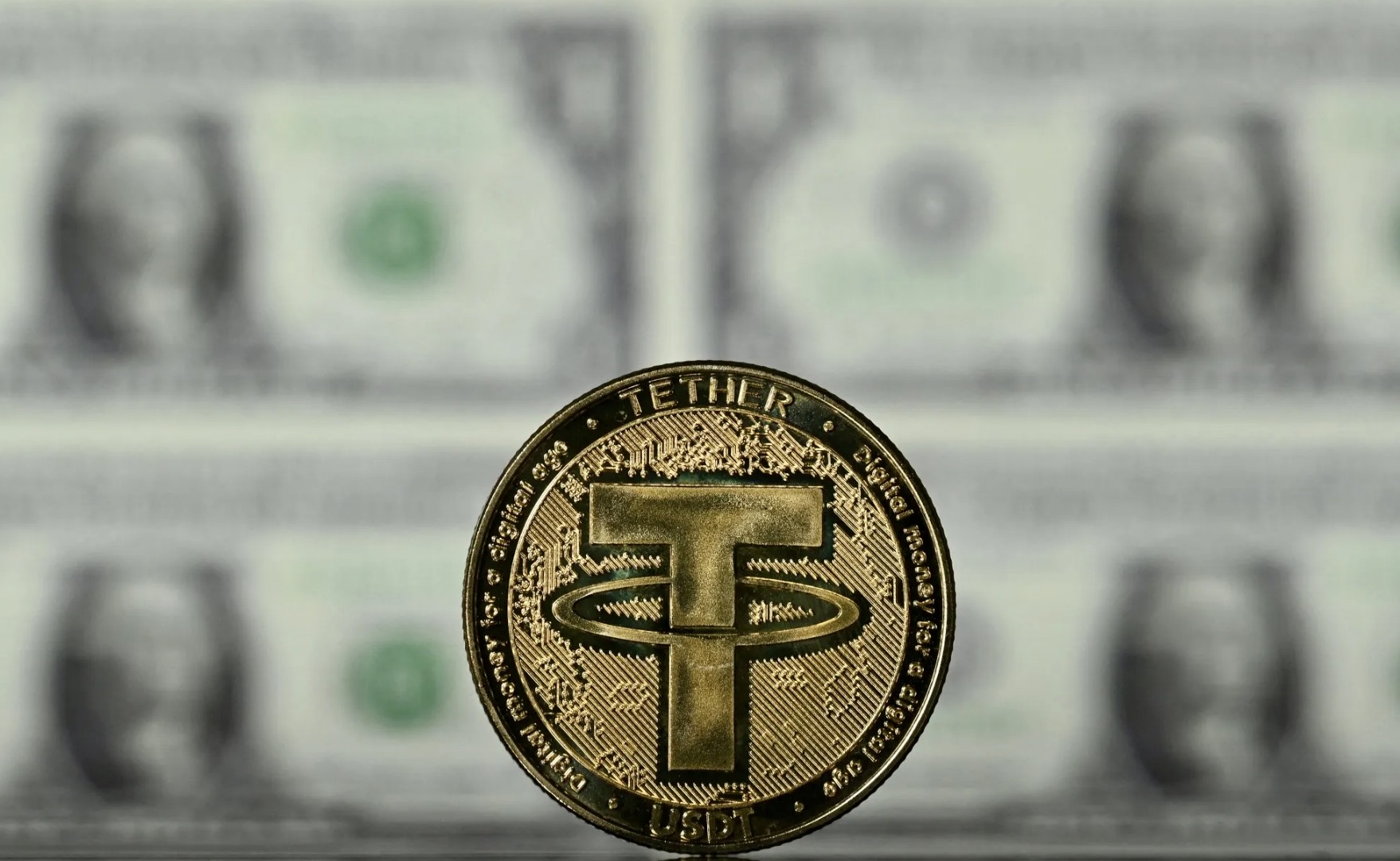
SÃO PAULO (Realist English). A technology created to challenge the dollar has unexpectedly become its greatest ally in Latin America. Stablecoins — digital assets pegged to the US currency — are spreading rapidly across the region, offering millions of people access to the dollar without bank accounts or physical banknotes.
The paradox is that the same infrastructure that strengthens the dollar’s position today could tomorrow become a tool for transitioning to bitcoin and gold. For now, stablecoins have become “working money” for an entire continent.
The Numbers That Change Perceptions of the Market
Latin America has become the world’s fastest‑growing stablecoin market. In 2025, stablecoin transaction volumes in the region grew 89% year‑on‑year, reaching $324 billion. By 2026, the market continues to gain momentum: through the Bitso platform alone, annual stablecoin turnover is estimated at $31.5 billion.
The most impressive figures come from Brazil: in 2025, the country processed $89 billion in stablecoin transactions — more than the entire African continent combined. In the first quarter of 2026 alone, Tether (the issuer of USDT) reported 570 million users worldwide. USDT’s market capitalisation is approaching $190 billion, with its market share reaching 59%.
| Indicator | Data |
| Transaction volume in 2025 | $324 billion (+89% YoY) |
| Remittance market | $142 billion per year (second largest globally after Asia) |
| USDT market share | 59% (market cap ~$190 billion) |
| Tether users (Q1 2026) | 570 million worldwide |
| Brazil transactions (2025) | $89 billion |
Four Countries — Four Scenarios of USDT Dominance
USDT dominates across virtually all Latin American markets. In Bolivia, Peru and Ecuador, USDT captures nearly 100% of all stablecoin transactions. In Colombia — 98%, and in Chile and Brazil — 90%.
The only exception is Argentina, where USDC from Circle maintains a presence (46% of volume), though USDT still leads with 53%.
Significantly, in Argentina, where the national currency has lost 99.8% of its value over a decade, stablecoins have become not just a financial instrument but an everyday reality: a person who held $10,000 in pesos in 2016 would have the equivalent of just $114 by 2026.
Growth Drivers: Inflation, Controls and 76% Savings
The main driver of the stablecoin boom is not fashion but deep financial need. In countries with hyperinflation, currency controls or limited access to dollars, digital dollars have become a reliable safe haven.
Inflation in Venezuela exceeds 300%, in Argentina — 120%. In these conditions, stablecoins offer instant “digital dollarisation” without the need to open a US bank account.
Remittances play a particular role. Latin America’s remittance market is the second largest in the world ($142 billion per year). Traditional services (Western Union, MoneyGram) charge a 6.2% fee on transfers. Stablecoins via the Tron or Polygon networks cost 0.5–1.5% — savings of up to 76%.
| Transfer Method | Average Fee |
| Western Union / MoneyGram | 6.2% |
| Bank transfer | $25–45 + 2–4% |
| Stablecoins (Tron, Polygon) | 0.5–1.5% |
From Traders to Everyday Payments
Stablecoins have ceased to be an instrument for speculators. In Latin America, they have become everyday money:
- 35% of USDT transactions are made in supermarkets
- Workers receive salaries in stablecoins
- Businesses use digital dollars to pay suppliers
- Freelancers invoice in USDT to avoid peso devaluation
In Brazil, stablecoin trading activity grew by 202% since the platform’s launch, with each active user making an average of 20 transactions per month.
The Dollar Strengthens — But the Paradox Remains
Stablecoins are paradoxically strengthening the dollar’s position in the region. They expand access to the US currency for millions of people who lack access to the traditional banking system.
JPMorgan analysts warn that global stablecoin adoption could lead to trillion‑dollar inflows into the dollar in the coming years. In other words, a technology created to bypass the dollar system is now feeding it.
“Cheap Dollarisation” and Its Risks
However, “digital dollarisation” is not a panacea. As BeInCrypto analysts warn, a “dollar balance” on a crypto wallet is fundamentally different from an insured bank deposit. A stablecoin holder faces issuer, platform and custodian risks.
Tether, the dominant market player, holds its reserves mainly in US Treasury bonds ($141 billion), gold ($20 billion) and bitcoin ($7 billion).
This makes it one of the world’s largest holders of US government debt, but also creates a direct dependence on the macroeconomic situation in the United States.
The Digital Dollar as Latin America’s New Reality
Stablecoins in Latin America have become a classic example of how market forces bypass state restrictions. They have given millions of people access to the dollar where physical banknotes are unavailable and local currencies depreciate faster than they can be earned.
For now, stablecoins are reinforcing the dollar’s dominance. But the infrastructure they are building could, in the future, become a launchpad for a shift toward decentralised assets. The paradox of the digital dollar is that it may ultimately pave the way for its own replacement.