TEHRAN (Realist English). Donald Trump and senior Iranian officials exchanged sharp warnings on Friday as protests widened across parts of Iran, intensifying tensions between the two countries months after U.S. air strikes on Iranian nuclear facilities.
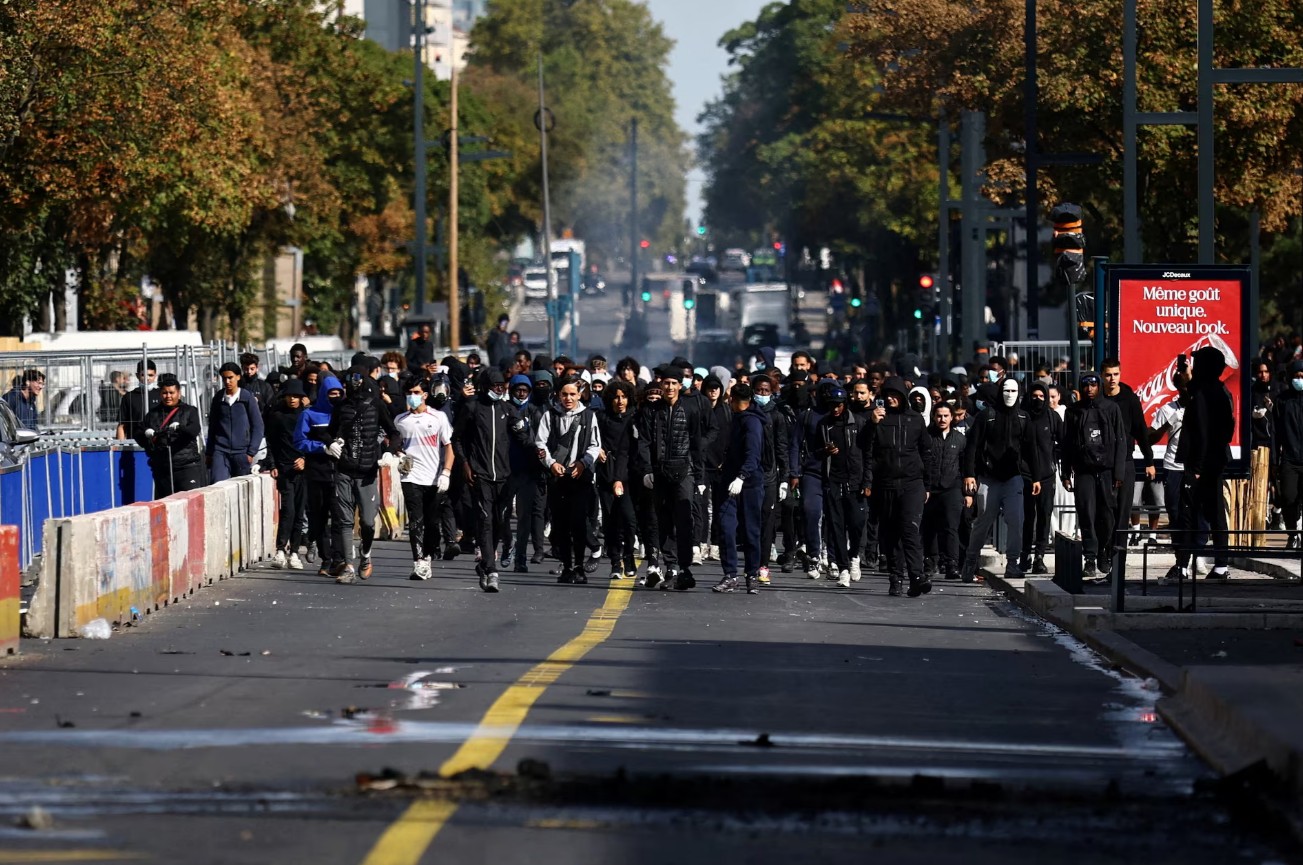
The demonstrations, now in their sixth day, were initially sparked by the collapse of Iran’s currency but have increasingly taken on an openly political character, with crowds chanting anti-government slogans. At least eight people have been killed in violence linked to the unrest, according to human rights groups.
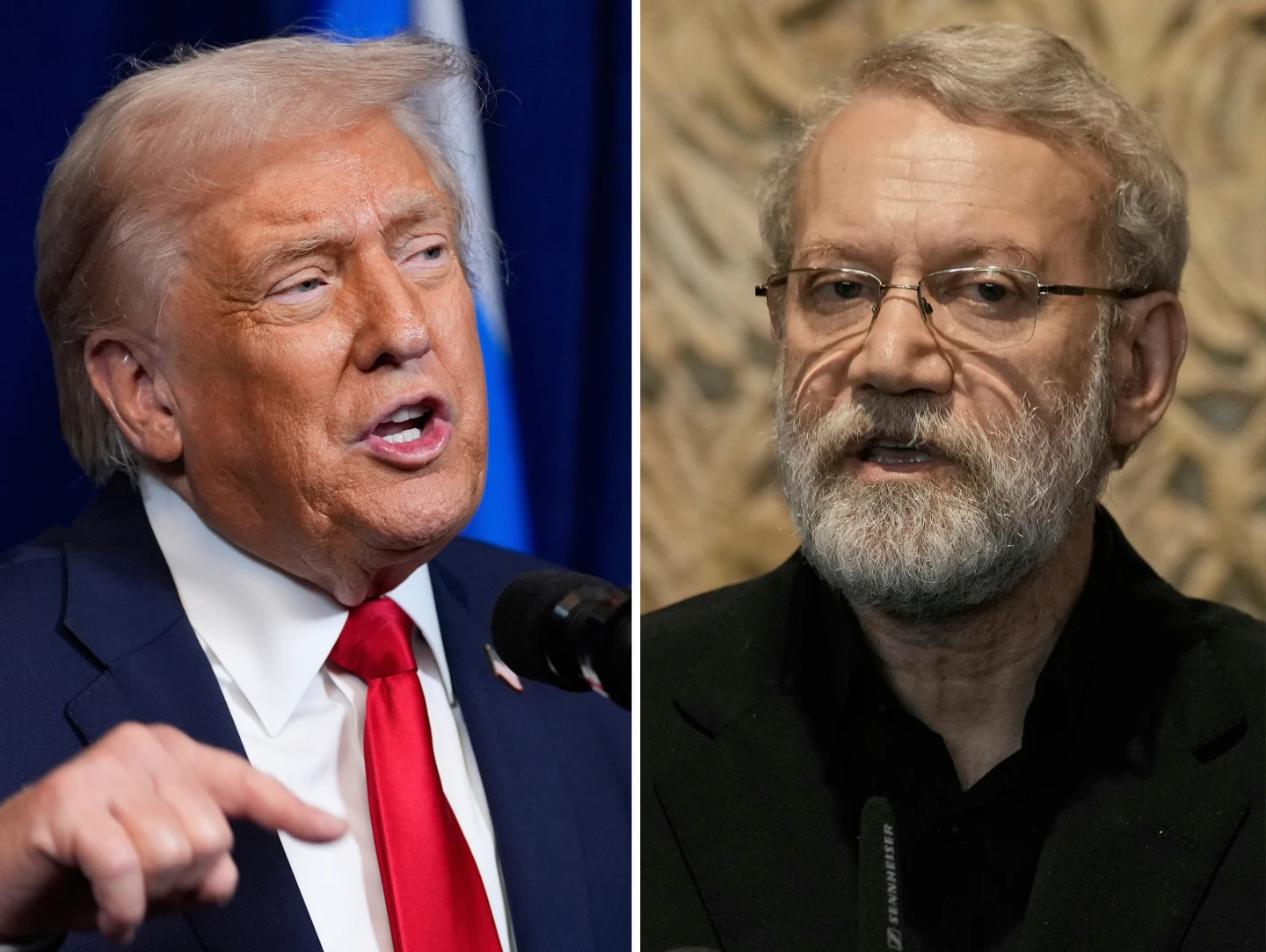
In a post on his Truth Social platform, Trump warned Tehran that if it “violently kills peaceful protesters,” the United States “will come to their rescue,” adding that Washington was “locked and loaded and ready to go.” The statement marked a rare and explicit signal of U.S. support for protesters inside Iran.
Iranian officials responded quickly. Ali Larijani, secretary of Iran’s Supreme National Security Council, accused the United States and Israel of stoking the unrest, repeating claims Tehran has made during previous protest waves. “U.S. intervention in Iran’s domestic affairs would mean chaos across the entire region and the destruction of American interests,” Larijani wrote.
Iran also took the issue to the United Nations. In a letter to Secretary-General António Guterres, Iran’s ambassador warned that Washington would bear responsibility for any escalation resulting from what he described as unlawful threats, and reaffirmed Iran’s right to defend its sovereignty.
The exchange comes as protests continue in more than 100 locations across over 20 of Iran’s provinces, according to rights monitors. While Tehran has largely remained calm, rallies and funerals for those killed in the unrest have drawn crowds in several regional cities, sometimes leading to confrontations with security forces.
Analysts caution that Trump’s public backing of protesters carries risks. While economic hardship — including the rial’s fall to around 1.4 million to the dollar — triggered the demonstrations, Iranian authorities are likely to portray the unrest as foreign-driven, potentially justifying a harsher crackdown.
The protests are the most significant since 2022, when the death of Mahsa Amini in police custody sparked nationwide unrest. Though smaller in scale so far, they come as Iran struggles with economic pressure, unresolved nuclear negotiations and heightened confrontation with the United States and its allies.
Iran has recently said it halted uranium enrichment at all sites, signalling openness to talks, but negotiations remain stalled amid warnings from Washington and Israel against reviving Tehran’s nuclear programme.