Realist: news and analytics

Русский / English / العربية

  • News
  • Russia
  • Caucasus
  • Opinion
  • Interviews
  • Experts
No Result
View All Result
Realist: news and analytics
  • News
  • Russia
  • Caucasus
  • Opinion
  • Interviews
  • Experts
No Result
View All Result
Realist: news and analytics

Trump frames Iran war as support for regional partners

President emphasises strategic independence while highlighting support for partners as core rationale for military campaign.

   
April 2, 2026, 06:32
World
China pushes AI-driven power grid to boost energy security

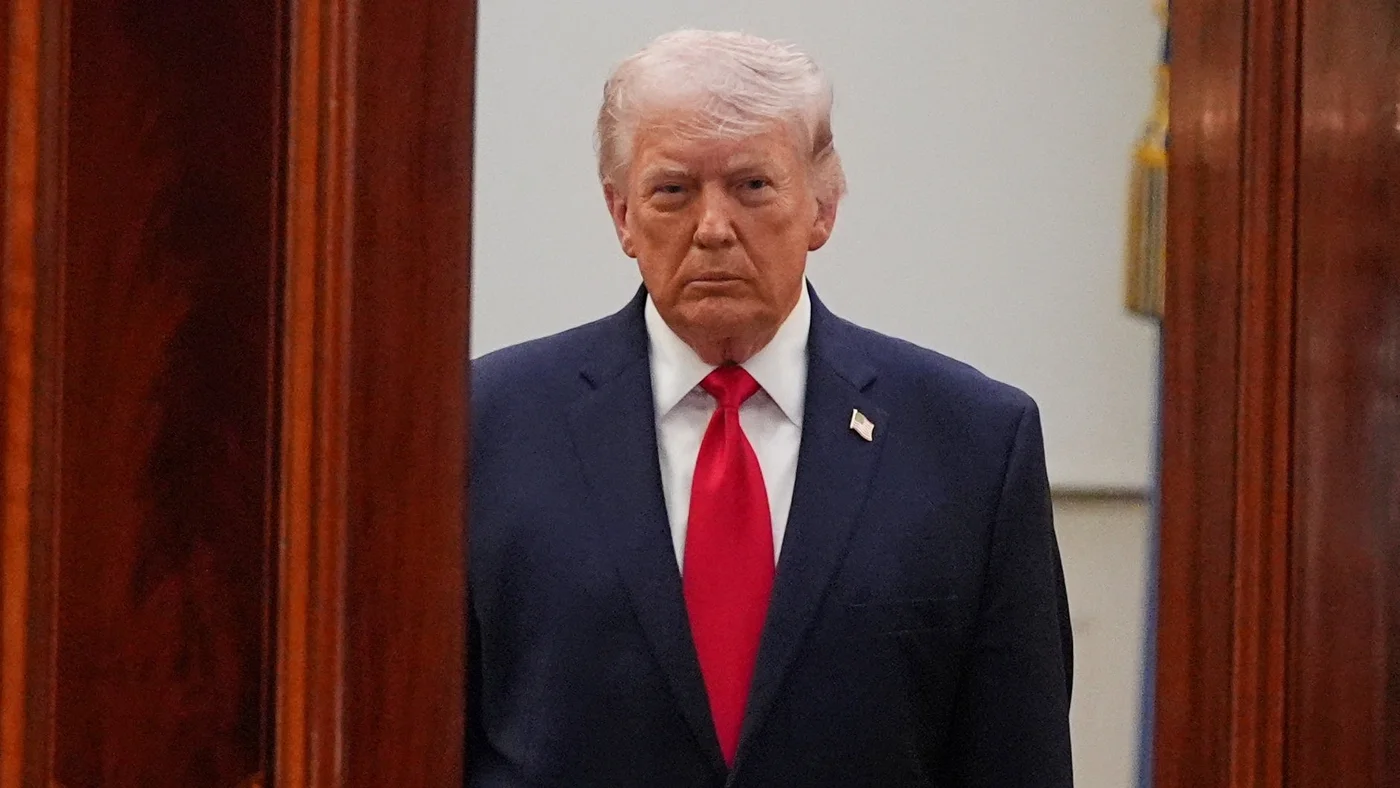
WASHINGTON (Realist English). U.S. President Donald Trump said the United States entered the war with Iran primarily to support its regional allies, despite what he described as America’s growing energy independence.

In a televised address, Trump said Washington no longer relies on Middle Eastern resources but remains engaged in the region to assist partner countries. “We don’t have to be there. We don’t need their oil. We’re there to help our allies,” he said.

The remarks align with earlier comments by Secretary of State Marco Rubio, who suggested at the outset of the conflict that concerns from U.S. allies — particularly Israel — played a key role in shaping Washington’s decision to act. The administration had previously downplayed that framing.

Trump also characterised the military campaign as successful, describing operations as “swift, decisive, overwhelming” and stating that core strategic objectives were close to being achieved after more than a month of fighting.

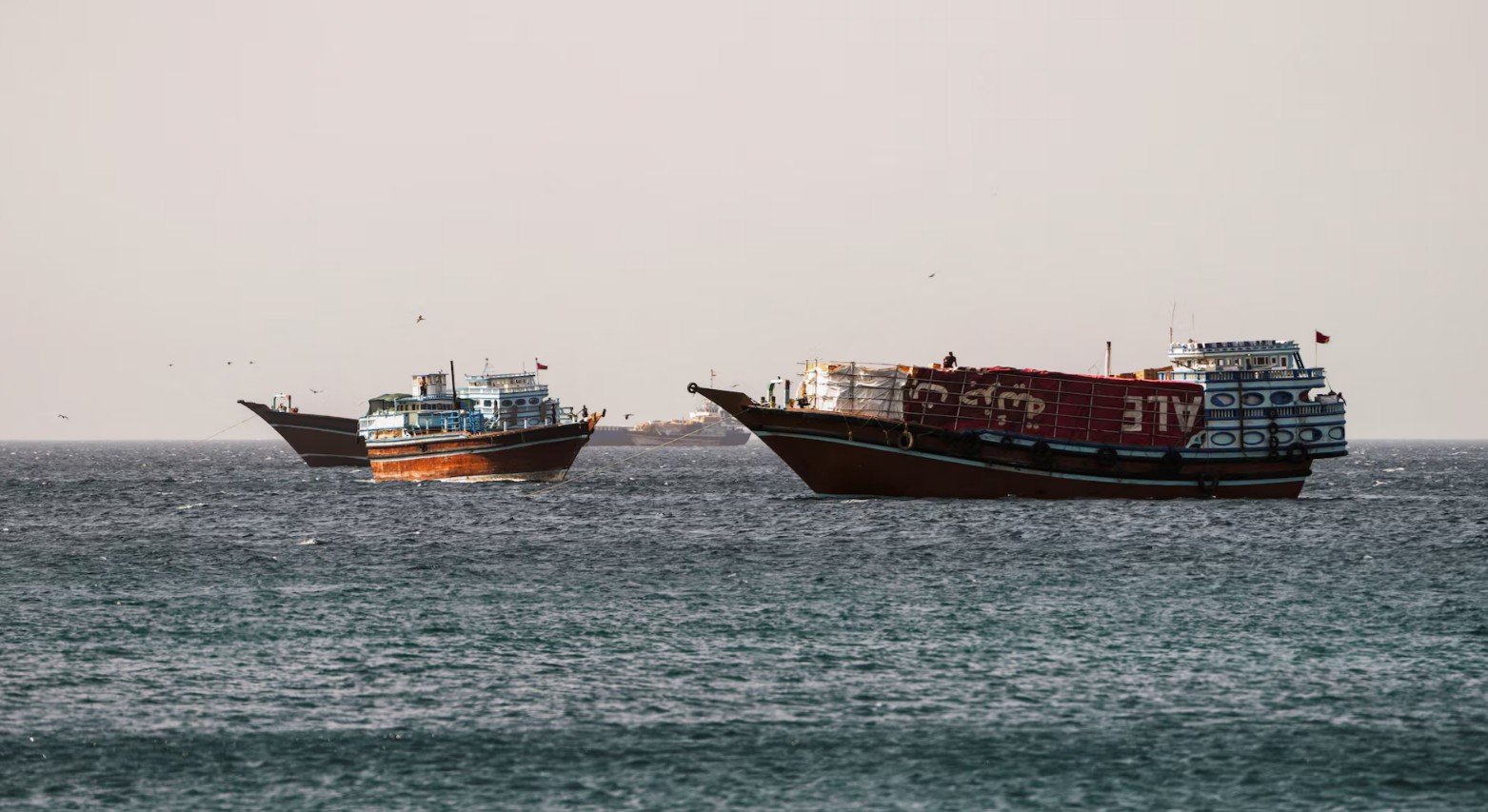
The war, now in its fifth week, has significantly disrupted regional stability and global energy markets, with tensions centred around the Strait of Hormuz — a critical artery for oil and gas shipments.

Analytically, Trump’s framing underscores a shift toward alliance-driven intervention, even as the United States seeks to present itself as less dependent on Middle Eastern energy resources.

The key question is whether this positioning will reassure regional partners and domestic audiences, or deepen debate over the strategic rationale and long-term costs of U.S. involvement in the conflict.
Iran WarMiddle EastMost PopularUnited StatesUS Foreign Policy
Previous Post

Putin and Pashinyan discuss trade, energy and South Caucasus ties

Next Post

Microsoft unveils $10bn Japan AI plan, boosts local tech stocks

Related Posts

Downed Apache Awakens War: US and Iran Exchange Strikes in Strait of Hormuz
World

Downed Apache Awakens War: US and Iran Exchange Strikes in Strait of Hormuz

10 June, 2026
Brazil Elections: Lula da Silva Pulls Ahead, Opposition Fragments
World

Brazil Elections: Lula da Silva Pulls Ahead, Opposition Fragments

9 June, 2026
Vance: US Will Continue Iran Negotiations Even If Israel Opposes
World

Vance: US Will Continue Iran Negotiations Even If Israel Opposes

9 June, 2026
“I Made Him Stop”: Trump Cancels Major Israeli Strike on Iran
World

“I Made Him Stop”: Trump Cancels Major Israeli Strike on Iran

9 June, 2026
“I’m in Command Here”: Trump Puts Netanyahu in His Place Over Iran Deal
World

“I’m in Command Here”: Trump Puts Netanyahu in His Place Over Iran Deal

8 June, 2026
Tehran Loses $100 Billion: US Directs Frozen Iranian Assets to Help Arab Allies
World

Tehran Loses $100 Billion: US Directs Frozen Iranian Assets to Help Arab Allies

7 June, 2026
Most Popular
Most Popular

All rights reserved.

© 2017-2026

  • About Us
  • Mission and Values
  • Contact Us
  • Privacy Policy

Follow Realist English

No Result
View All Result
  • News
  • Russia
  • Caucasus
  • Opinion
  • Interviews
  • Experts

Русский / English / العربية