TEL AVIV (Realist English). Prime Minister Benjamin Netanyahu called off a major strike on Iran at the last minute — an operation that was to have been Israel’s response to an Iranian missile barrage.
The large‑scale Israeli Air Force operation, which Netanyahu had approved, was halted after a phone call with US President Donald Trump, who warned that in case of escalation Israel would be left “alone against Iran.” Tel Aviv declared a ceasefire “for now” but threatened renewed strikes if attacks resumed.
Why Israel and Iran Exchanged Strikes
On June 7 and 8, the conflict between Israel and Iran entered a phase of direct combat for the first time since the April ceasefire. The trigger was an Israeli airstrike on the southern suburbs of Beirut, where the headquarters and facilities of the Iran‑backed Hezbollah group are located. Lebanon’s Health Ministry reported two dead and 20 wounded.
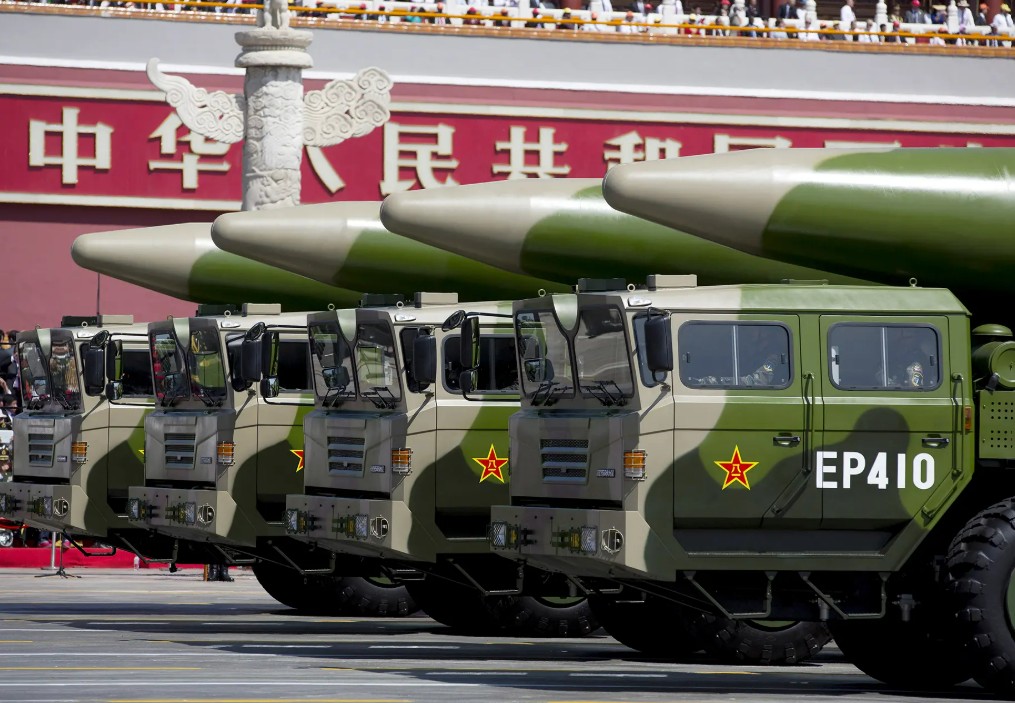
In response, Iran’s Islamic Revolutionary Guard Corps (IRGC) launched 11 ballistic missiles at northern Israel on the evening of June 7. The following morning, the Israeli Air Force struck targets in central and western Iran.
The targets included recently restored air defense systems and the Mahshahr petrochemical complex in the country’s southwest, which, according to Tel Aviv, was used to produce components for ballistic missiles. Iran then fired a second salvo of about 20 ballistic missiles.
In total, Iran launched around 30 missiles at Israel during the confrontation.
Yemen’s Houthis joined the attacks, declaring a blockade on Israeli shipping in the Red Sea and launching a ballistic missile at central Israel. Fighting took place on four fronts simultaneously.
Last‑Minute Cancellation
The crisis culminated on June 8. At around 4:30 p.m., according to Israel’s Channel 12, Netanyahu approved a large‑scale operation against Iran scheduled for later that day. The planned strike was described as “massive” by The New York Times.
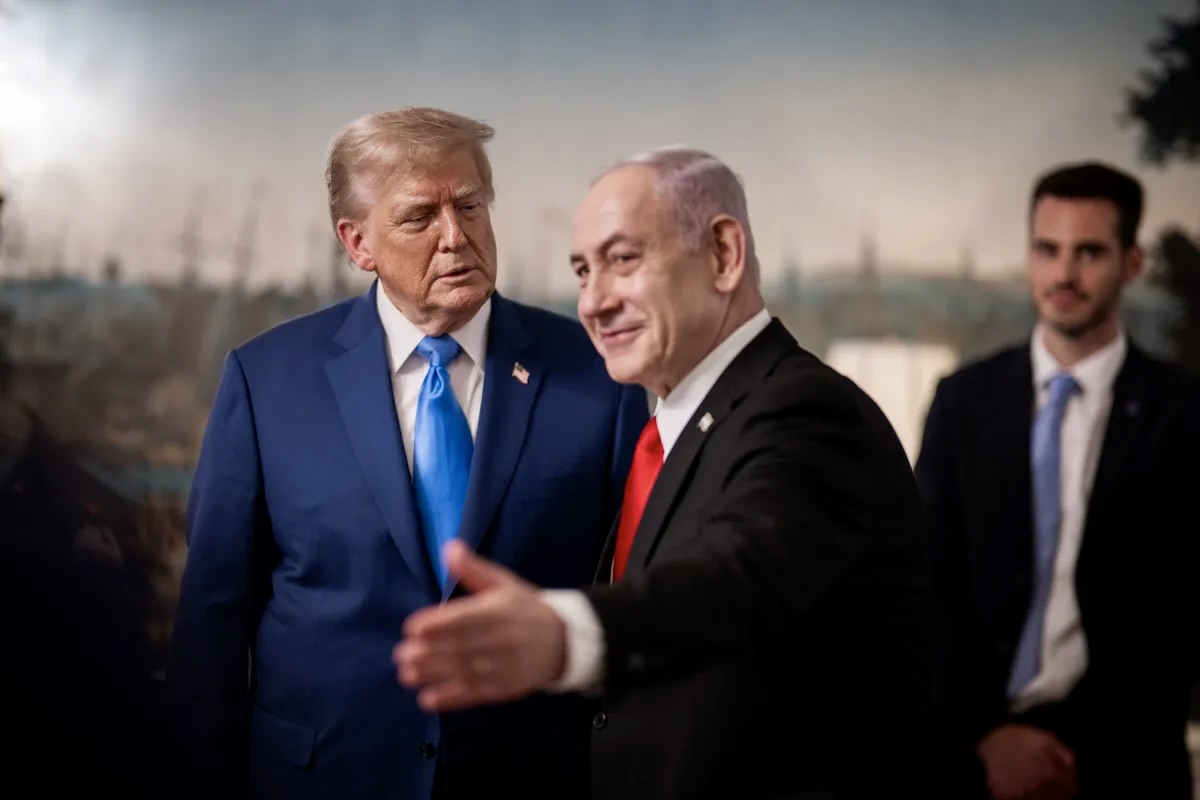
Immediately afterward, a phone call with the US president took place. Trump directly demanded an end to the escalation, warning Netanyahu that in a full‑scale war Israel might find itself “alone against Iran.”
The American leader also said that Washington and Tehran were “days away” from a breakthrough in nuclear negotiations.
Netanyahu agreed — and ordered the operation cancelled. According to media reports, the aircraft were already prepared for takeoff, and there was “significant confusion” among senior military commanders.
In a Fox News interview on June 8, Trump admitted that the Israelis had notified Washington of the first strike on Iran “at the very last moment, when they were already on their way.” “But I managed to scale back the attack,” the US president said, “and I called Bibi again and made him stop.”
Statements: “Fire Halted, but We Are Ready to Respond”
After the cancellation, Netanyahu issued a brief televised address — his first public comment in 20 hours since the Iranian attacks began.
“At the moment, fire on this front has stopped because after the terrorist regime in Tehran was hit, it stopped attacking us,” the prime minister said.
But he immediately warned: “If that terrorist regime makes a mistake and attacks us again, we will respond with force.” Netanyahu also stressed that Israel would continue operations against Hezbollah in southern Lebanon and strike Beirut if necessary.
Iran, for its part, declared a cessation of operations through the “Khatam al‑Anbiya” command, but added a crucial caveat: “If aggression and hostile acts continue, including on the territory of southern Lebanon, much more severe and crushing measures than before will follow.”
Israeli Defense Minister Israel Katz also reaffirmed a tough stance, saying the IDF would strike Hezbollah’s stronghold in southern Beirut if attacks on northern Israel resumed.
“I Call and Make Him Stop”: New Dynamics in US‑Israel Relations
The conflict exposed a radical shift in relations between Washington and Tel Aviv. Israel’s Channel 12 detailed the leaders’ phone conversations. During the first call on Sunday, Netanyahu said: “The Iranians violated our sovereignty. We must draw a line.” Trump replied that Washington would not give a “green light” for escalation, but acknowledged that the Israeli prime minister had his own “personal calculations.”
In the second conversation on June 8, Netanyahu argued that Israel “knows that a strike on Iran will not lead to a full‑scale war,” but Trump ultimately prevailed.
In a Financial Times interview on June 7, Trump publicly set out a new hierarchy, declaring: “I’m in command here. I give the orders. He (Netanyahu) does not command.” In a Channel 12 interview, he also noted that five regional countries had asked him to pressure Netanyahu to stop the strikes.
Markets React Immediately
The escalation immediately affected global energy markets. Brent crude jumped 4.4% to $97.15 per barrel, while WTI rose 4.5% to $94.61.
Lebanon Remains the “Red Line”
The new round of conflict ended with Washington demonstrating full control over its regional ally. Iran used the escalation to forcefully remind Washington of its principled position: a ceasefire with the US is impossible without an end to military action against Hezbollah in Lebanon. Israel, for its part, made it clear that despite Trump’s ultimatums, it reserves the right to act independently in Lebanon.
Although the sides stepped back from the brink of all‑out war, the stakes in the region remain extremely high. The latest round of tension, which nearly ended in disaster, showed that the protracted nature of the conflict makes every new clash increasingly dangerous.