

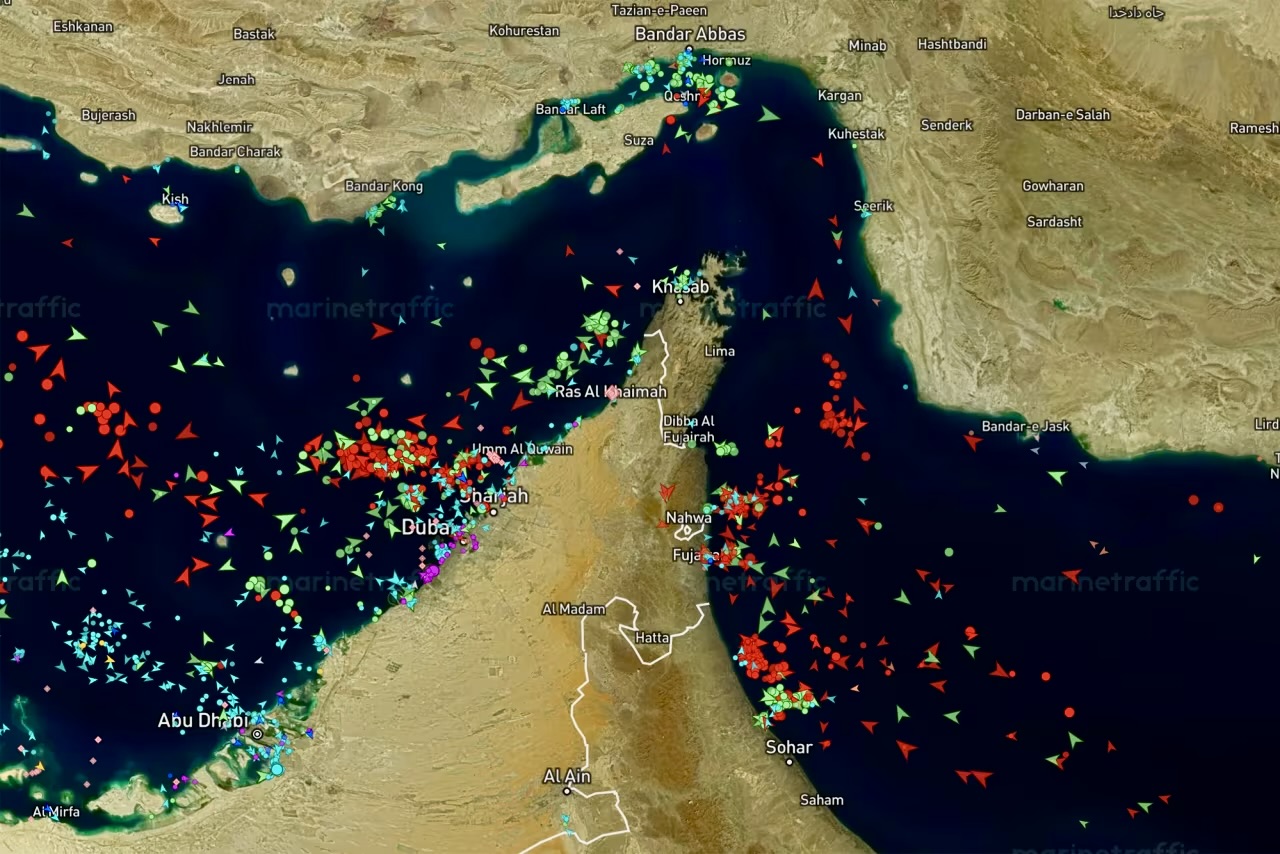
TEHRAN (Realist English). US President Donald Trump has ordered the Navy to “shoot and kill” any Iranian boats attempting to lay mines in the Strait of Hormuz. At the same time, Iran announced that it has received its first revenues from tolls imposed on ships passing through the strategic waterway. Tensions in the region continue to escalate.
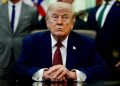
On April 17, Trump said he had no deadline for ending the war with Iran, the ceasefire, or for receiving Tehran’s response to his request for a peace proposal. “I am possibly the least pressured person ever to be in this position. I have all the time in the World, but Iran doesn’t — the clock is ticking!” the US leader wrote on Truth Social.
‘Time is not on their side’: Trump on negotiations
Trump again described Iran’s military position as significantly weakened: “Iran’s Navy is lying at the bottom of the Sea, their Air Force is demolished, their Anti Aircraft and Radar Weaponry is gone, their leaders are no longer with us, the Blockade is airtight and strong and, from there, it only gets worse — Time is not on their side!”
Any agreement to end the war would be reached on US terms and according to his timeline, the president stressed — only “when it’s appropriate and good” for the US, its allies and “the rest of the World.” Earlier on April 23, Trump expressed frustration over the delay of a “unified” proposal from Iran.
Clashes in the strait and US interceptions
Trump ordered the US Navy to open fire on any Iranian boats spotted laying mines in the Strait of Hormuz. The US Defense Department also announced the interception in the Indian Ocean of another “sanctioned stateless vessel,” M/T Majestic X, which was carrying Iranian oil.
According to shipping analytics company Kpler, two bulk carriers transited the strait on April 23. One of them, Tema Express, is owned and operated by German company Hapag-Lloyd — the first confirmed transit of a vessel by that carrier through the strait since the start of the conflict.
Israel-Lebanon talks at the White House
On April 23, Washington hosted the second round of direct talks between Israel and Lebanon, mediated by the United States. The US president is expected to join part of the meeting. The talks are taking place against the backdrop of a fragile 10-day ceasefire, which is due to expire in the coming days, despite mutual strikes (including an Israeli strike on southern Lebanon on April 22 that killed a journalist).
Unity in Tehran and Iranian toll revenues
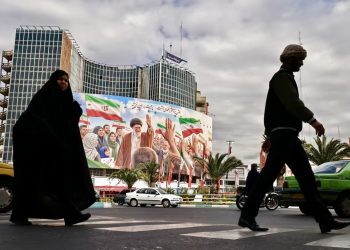
Following Trump’s statements about a split in Iran’s leadership, Iranian President Masoud Pezeshkian and Parliament Speaker Mohammad Bagher Ghalibaf issued identical statements, emphasising “iron unity.” “There are no radicals or moderates in Iran,” they wrote. “We are all ‘Iranians’ and ‘revolutionaries,’ and with the iron unity of the nation and government, in complete obedience to the Supreme Leader of the Revolution, we will make the criminal aggressor regret his actions.”
Iran’s chief negotiator also said that Tehran had received its first revenues from tolls on ships passing through the Strait of Hormuz. Both sides see this waterway as a key element in the negotiations.
Pope Leo XIV: against war, but for condemning the Iranian regime
Pope Leo XIV, returning from his African tour, said that “as a pastor” he cannot support the US-Israeli war with Iran, but he condemned the Iranian regime’s killing of protesters. “I condemn all unjust actions, I condemn the taking of people’s lives, I condemn the death penalty. Human life must be respected,” the pontiff said.
Israel threatens ‘dark ages’
Israeli Defense Minister Israel Katz said that Israel is ready to “return Iran to the dark ages” and is awaiting a “green light” from the United States to resume the war and “complete the elimination of the Khamenei dynasty.”
Military preparations and navigation guarantees
The United Kingdom and France gathered military planners from dozens of countries in London, stating the need for “practical military options” to ensure freedom of navigation in the Strait of Hormuz. The US Navy currently has 19 ships in the Middle East (including two aircraft carriers) and another seven in the Indian Ocean.