

WASHINGTON (Realist English). U.S. President Donald Trump said the United States could wind down its military campaign against Iran within “two to three weeks,” indicating that a negotiated agreement with Tehran is not required for an end to hostilities.
“We’ll be leaving very soon,” Trump told reporters at the White House, adding that Iran “doesn’t have to make a deal” for the conflict to de-escalate.
The remarks highlight continued uncertainty in Washington’s strategy as the war enters its fifth week, with conflicting signals between calls for diplomacy and ongoing military operations.
Earlier, Defense Secretary Pete Hegseth said the administration remained open to negotiations but was prepared to continue the campaign if Iran failed to meet U.S. demands. “We have more options, and they have less,” he said, adding that the coming days would be decisive.
Despite talk of a possible exit, U.S. military activity remains active. Chairman of the Joint Chiefs of Staff Dan Caine said American forces are continuing strikes on Iranian military and industrial targets, including naval assets and production facilities.
Regional tensions have also intensified. Iran’s Revolutionary Guards warned they could target U.S. corporate interests in the region, naming companies such as Apple, Microsoft and Tesla.
Iranian Foreign Minister Abbas Araghchi confirmed that indirect communications with Washington are ongoing but stressed these do not amount to formal negotiations.
At the diplomatic level, Pakistan and China have called for an immediate ceasefire and urged both sides to enter talks, reflecting growing concern among regional and global actors over escalation risks.
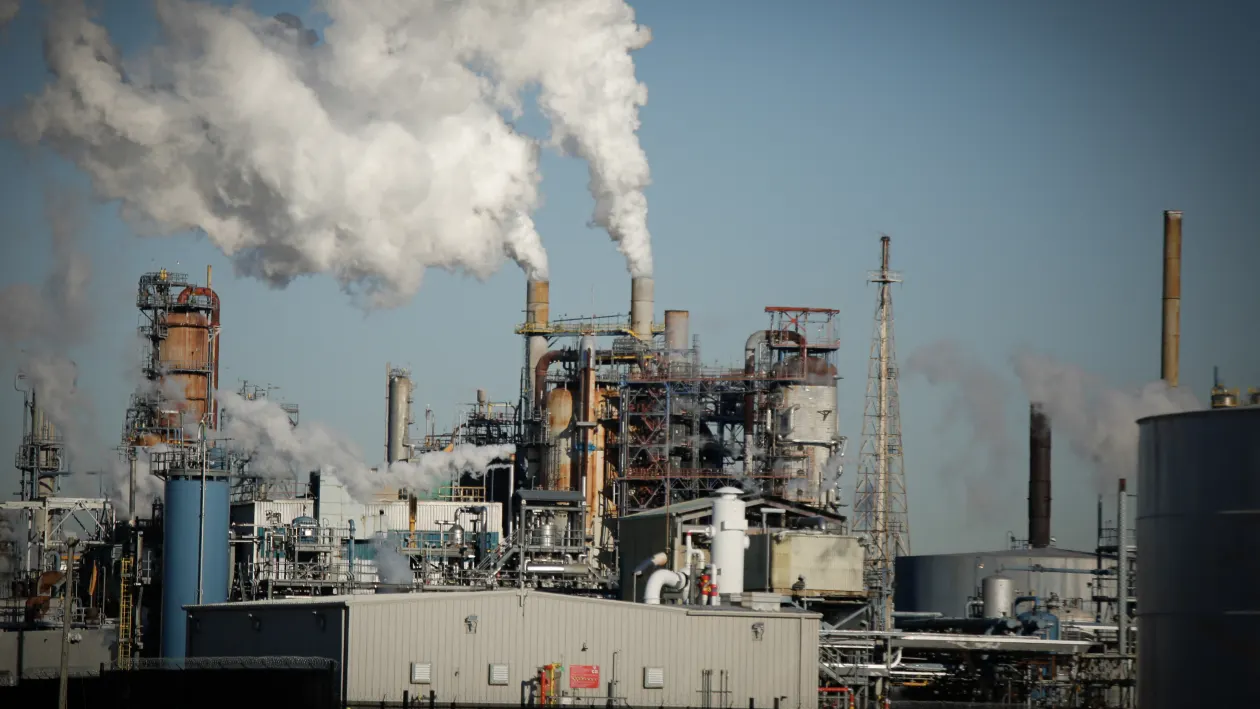
Fighting continues across multiple fronts. Strikes were reported in Beirut targeting Hezbollah figures, while explosions in Damascus were attributed to air defence activity. In Iran, attacks have hit industrial and infrastructure sites, including facilities in Bushehr and Isfahan, though some reports remain unverified.
The conflict is also exposing divisions among U.S. allies. European countries including France and Italy have expressed reservations about aspects of the military campaign, while Trump has criticised partners for not contributing more actively.
Meanwhile, economic pressures are mounting. Rising energy prices linked to disruptions in the Strait of Hormuz have pushed U.S. gasoline prices above $4 per gallon, adding political pressure ahead of midterm elections.
Public opinion appears to be shifting as well. A Reuters/Ipsos poll found that a majority of Americans support ending U.S. involvement in the conflict quickly, even if key objectives are not achieved.
Analytically, the divergence between political messaging and military reality underscores the complexity of ending the conflict without clear terms or guarantees.
The key question is whether a rapid U.S. withdrawal would stabilise the region or create a power vacuum that could prolong instability and economic disruption.