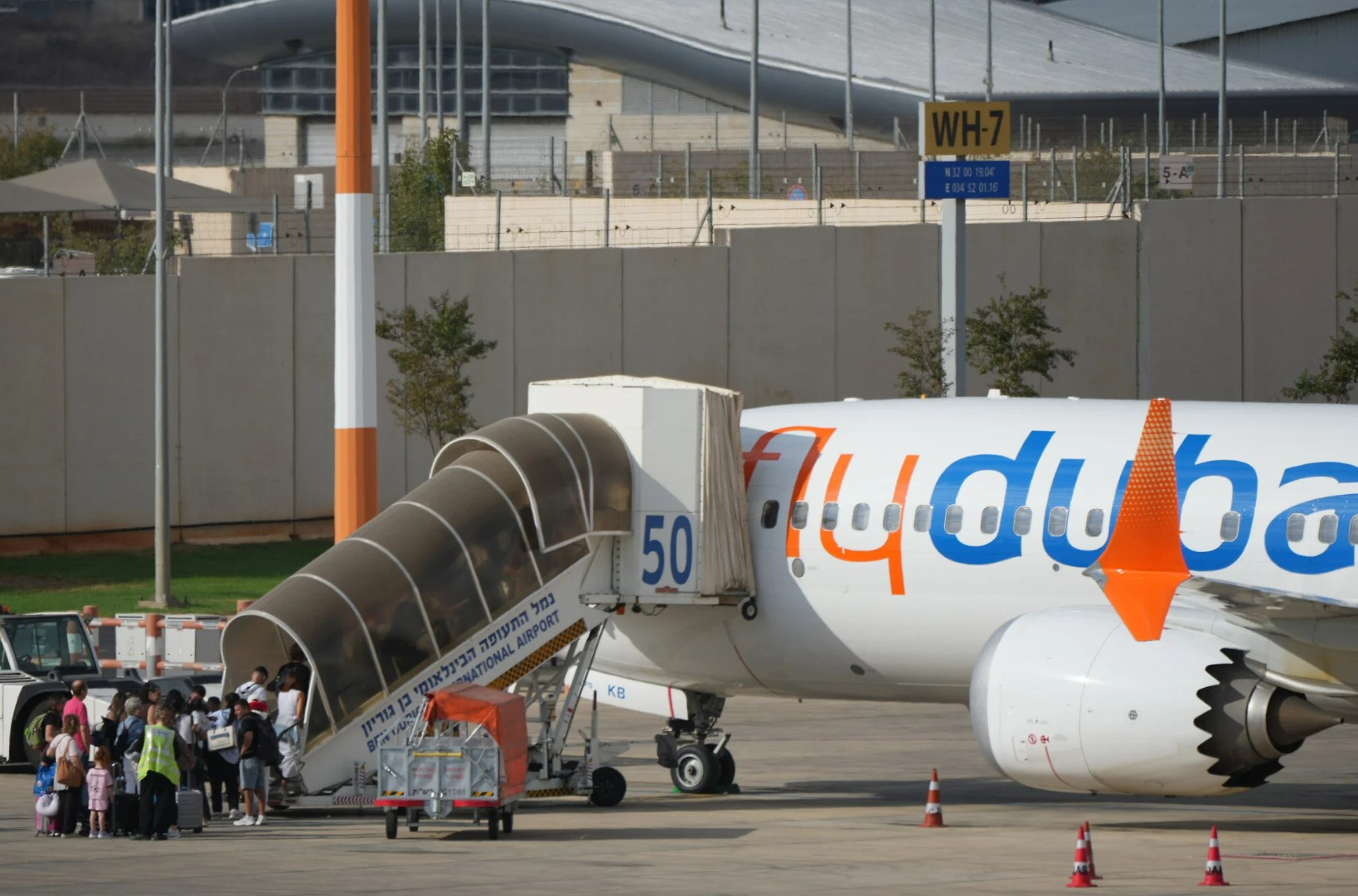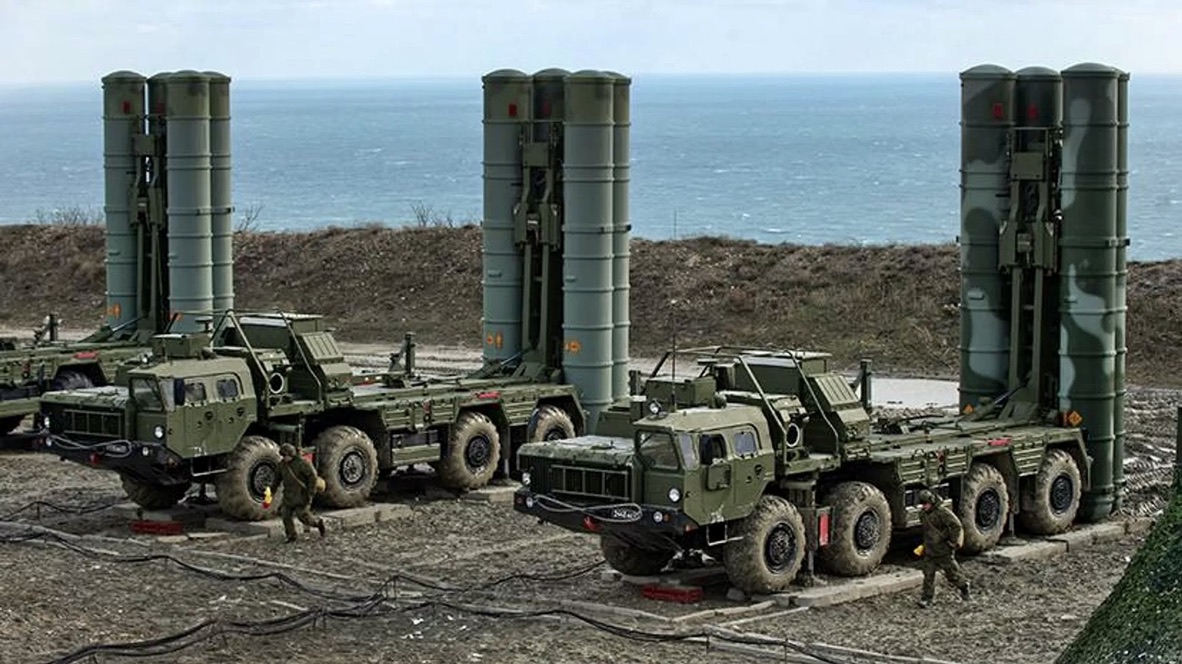
ANKARA (Realist English). On July 10, Turkey’s pro‑government newspaper Hürriyet, citing insider information, reported that Turkey had resold Russian S‑400 air defence systems to a Gulf state.
According to columnist Abdulkadir Selvi, the most likely buyers are the United Arab Emirates and Qatar.
Both countries need to strengthen their air defences amid the US‑Iran war. According to the journalist, all technical and procedural issues regarding the deal had been resolved by the end of July 9.
Reasons for the Deal: Return to the F‑35 Programme
The main reason for the S‑400 resale, according to analysts and sources, is Ankara’s desire to break out of a years‑long deadlock with Washington and return to the US fifth‑generation fighter programme, the F‑35.
Turkey acquired four S‑400 battalions from Russia under a $2.5 billion contract in 2017. Deliveries were completed in 2019. In response, the US imposed sanctions on Ankara under the CAATSA (Countering America’s Adversaries Through Sanctions Act) and removed Turkey from the F‑35 programme, despite the fact that Turkey had already paid for six aircraft and participated in the production chain.
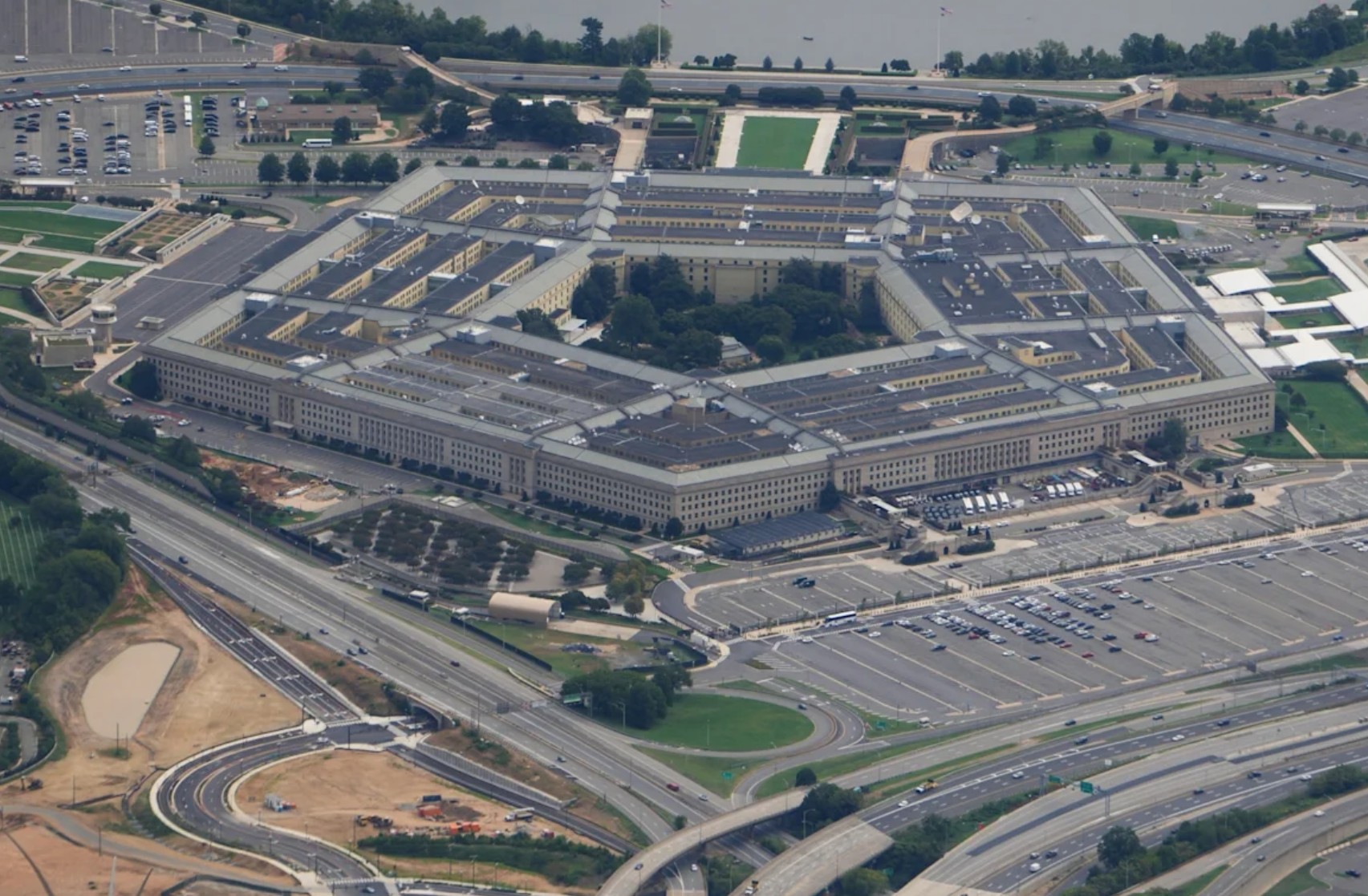
A turning point came on July 7, 2026, on the sidelines of the NATO summit in Ankara, where US President Donald Trump stated his intention to lift sanctions on Turkey. Trump also signalled that a decision on Turkey’s return to the F‑35 programme was imminent: “We will make a decision on the F‑35 issue. Our relations are very good right now.”
If the S‑400s are transferred to a third country, Trump will be able to formally notify Congress of a change in the circumstances on which the CAATSA sanctions were based, potentially paving the way for Turkey to receive the six F‑35 fighters it has already paid for.
Russia’s Reaction: An ‘Extremely Sensitive’ Issue
The Kremlin confirmed that Moscow is in contact with Ankara regarding the possible resale of the S‑400s. Russian Presidential Spokesman Dmitry Peskov called the issue “extremely sensitive.”
“I can say one thing: this is an extremely sensitive issue. However, we have been in touch with the Turkish side on this matter and will continue to maintain contact with them on this topic.”
Earlier, Turkish media reported that Ankara was “testing the waters” with the Russian side, which, according to the publication, “in principle does not object to such a scenario.”
At the same time, the sale of weapons and military equipment requires an end‑user certificate confirming that the systems will be used by that particular country. This means the sale was either coordinated with Moscow or is being carried out in violation of international obligations.
Turkey’s Official Position and Denials
Despite the publications in the pro‑government press, official Turkish authorities have not yet confirmed the deal. Moreover, government officials have denied reports of a possible transfer of the S‑400s to a third country.
According to some sources, an alternative option under consideration was transferring the S‑400s for storage in Dubai or deploying the systems in the UAE under a new agreement.
International Context and Allied Concerns
The issue of Turkey’s return to the F‑35 programme is causing concern among some NATO allies, primarily Greece and Israel, which fear a shift in the regional military balance.
Various options for resolving the S‑400 problem had previously been discussed, including storing the systems under US control, dismantling launchers or deactivating the systems. However, the US side considered that such measures did not meet US legal requirements.
The resale of the S‑400s to a third party has become Ankara’s most realistic way out of the long‑standing conflict with Washington.
However, without official confirmation of the deal and Moscow’s consent, it is premature to speak of a full resolution of the crisis.