BUCHAREST (Realist English). The decision by Washington to withdraw some U.S. troops from NATO’s eastern flank, including from Romania, has raised concerns among allies and lawmakers, who view it as a strategic misstep amid heightened regional tensions.
Both U.S. and Romanian officials confirmed on October 29 that soldiers from the 2nd Infantry Brigade Combat Team, 101st Airborne Division will return home without replacement once their rotation ends — effectively reducing the U.S. footprint in the region.
Adjustment, not withdrawal
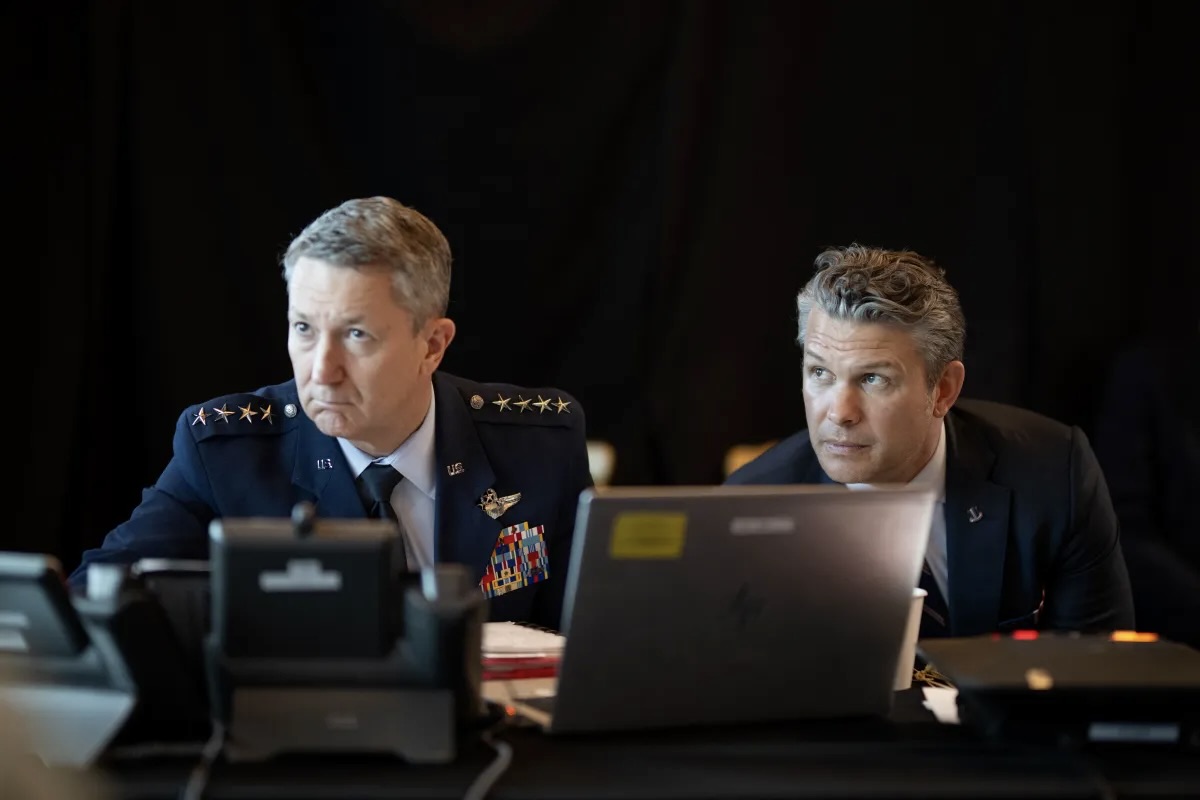
In a brief statement, U.S. Army Europe and Africa framed the move as part of Secretary of War Pete Hegseth’s “deliberate process” to balance U.S. force posture, emphasizing that it “does not signal a reduced commitment to NATO.” Instead, it reflects Washington’s push for European allies to assume greater responsibility for their conventional defense.
Romania’s Defense Minister Ionuț Moșteanu confirmed that allies had been informed in advance and stressed that about 1,000 American soldiers will remain stationed in the country. “This is not a withdrawal,” he said. “It’s a suspension of the rotational deployment affecting several NATO countries.”
Currently, Romania hosts approximately 1,700 U.S. troops, making it one of NATO’s key outposts on the Black Sea.
A predictable but poorly timed move
The adjustment aligns with the Trump administration’s forthcoming Global Posture Review, expected to prioritize the Western Hemisphere and Indo-Pacific, reducing troop levels in Europe that surged after Russia’s 2022 invasion of Ukraine.
Even so, analysts argue the timing and optics are problematic.
“It’s not very significant — not a big deal,” President Donald Trump told reporters aboard Air Force One when asked about the reduction.
Yet critics warn that the decision sends the wrong message at a sensitive time, as Washington continues to pressure Moscow to end its war in Ukraine. A visible drawdown of U.S. forces in Eastern Europe could embolden the Kremlin and heighten European unease about America’s long-term reliability.
Romania’s position makes the decision even more controversial. The country borders Ukraine, hosts a major training hub for Ukrainian pilots, and lies close to Russian-occupied Crimea. The Mihail Kogălniceanu Air Base, home to the 101st Airborne Division, is among NATO’s most strategically significant sites on the Black Sea.
Romania is also home to NATO’s Aegis Ashore missile defense system in Deveselu, a key part of the alliance’s deterrence architecture that has drawn repeated Russian threats.
Allies fill the gap
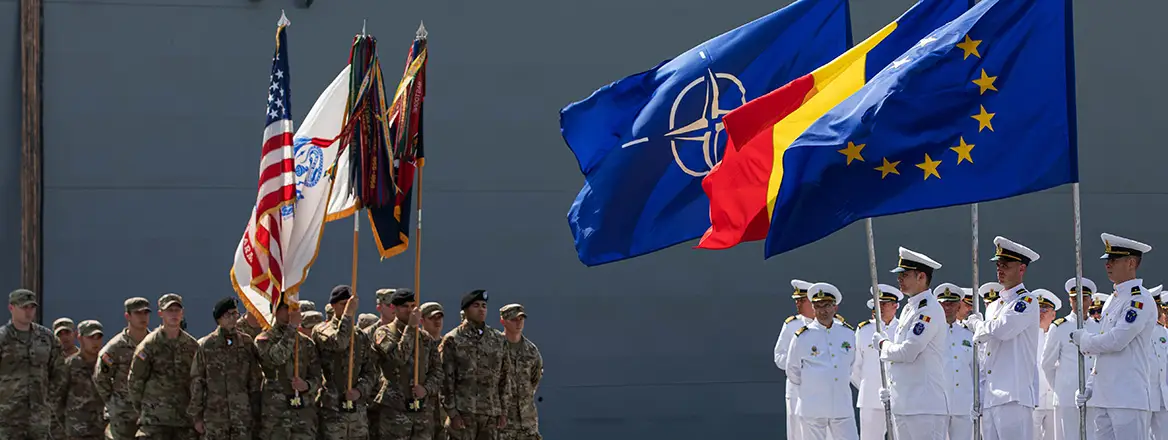
France currently leads NATO’s multinational battlegroup in Romania, with about 1,300 troops supported by Belgium, Luxembourg, and Spain. Germany continues to conduct air policing missions, while NATO recently launched Operation Eastern Sentry to reinforce the alliance’s entire eastern flank following Russian drone incursions into Romanian, Polish, and Estonian airspace.
NATO Secretary General Mark Rutte is expected to visit Bucharest on November 5–6 for the NATO Industry Forum, where he is likely to reassure Romanians of the alliance’s unwavering commitment to their defense.
Domestic and U.S. backlash
The troop cut has drawn bipartisan criticism in both Bucharest and Washington. Romanian opposition figures accuse the government of mishandling its strategic partnership with the U.S., while senior American lawmakers voiced alarm at what they called an “uncoordinated and counterproductive” move.
“The Pentagon’s decision appears directly at odds with the president’s stated strategy,” wrote Senator Roger Wicker and Representative Mike Rogers, chairs of the U.S. Armed Services Committees, adding that Congress had not been consulted in advance.
Republican Representative Mike Turner, head of the U.S. delegation to the NATO Parliamentary Assembly, warned that America’s force posture in Europe must remain “robust and resolute” in the face of Russian aggression.
What comes next
Officials and analysts remain uncertain whether the Romania adjustment is an isolated step or the first phase of broader cuts under the Global Posture Review. Reports suggest potential reductions could follow in Bulgaria, Hungary, and Slovakia as early as mid-December.
While Washington insists that the change will not affect deterrence, some fear it could create security gaps and fuel doubts among NATO allies. As one defense official in Brussels put it: “Europe has been promised no gaps and no surprises. This decision risks delivering both.”