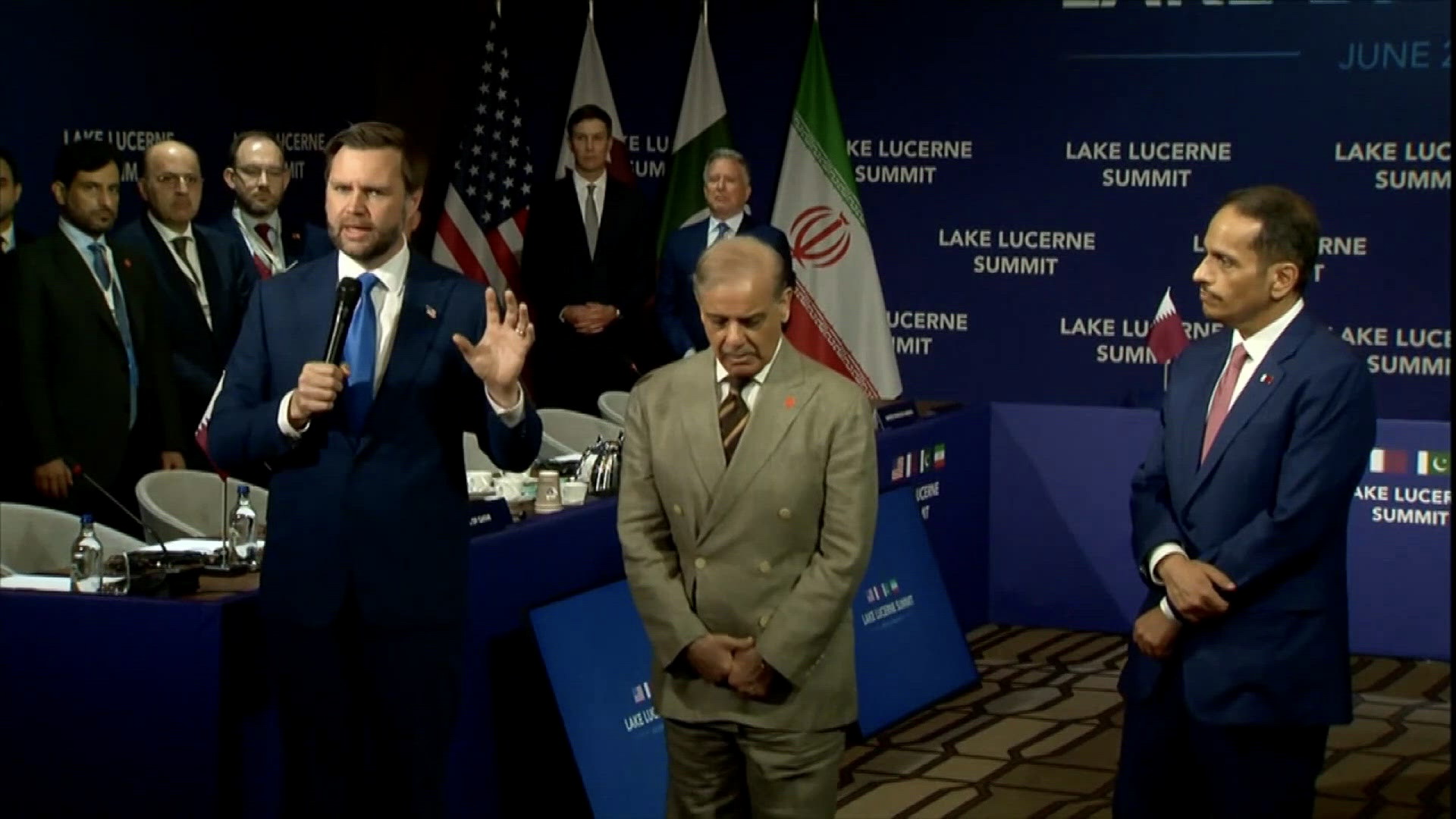
BÜRGENSTOCK (Realist English). On June 21, the first round of direct talks between the US and Iran opened at the Swiss mountain resort of Bürgenstock, but the diplomatic process was effectively paralysed just hours after it began.
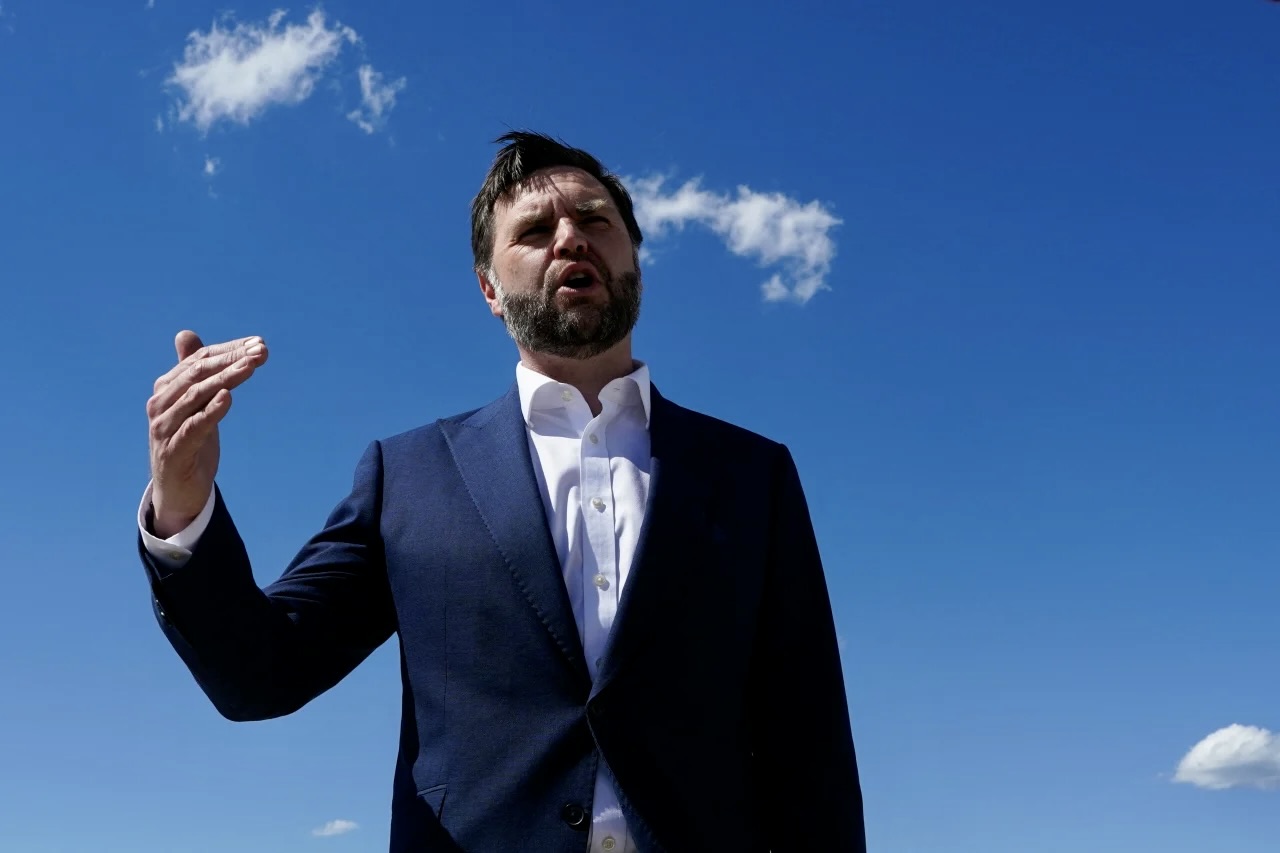
US Vice President JD Vance, who is leading the American delegation, was forced to make urgent efforts to save the dialogue, which came under threat of collapse due to President Donald Trump’s harsh statements directed at the Iranian delegation.
Trump’s Threats Derail Start of Talks
The talks, which involve delegations from the US, Iran, and mediators from Pakistan and Qatar, were meant to be an important step in implementing the “Islamabad Memorandum of Understanding” signed on June 17. However, even before the first round began, US President Donald Trump intervened in the negotiating atmosphere. In an interview with Fox News and in posts on his Truth Social platform, Trump threatened Iran with new strikes if Tehran did not stop supporting its allies in Lebanon.
“Iran must immediately stop its highly paid PROXIES in Lebanon, who are causing problems. If they do not, we will strike Iran very hard, like last week, only STRONGER!!!” Trump wrote.
These statements drew a sharp reaction from Tehran. The Iranian delegation regarded Trump’s words as a “gross violation” of the first point of the interim agreement, which obliges both sides to “refrain from the threat or use of force.” In response, the Iranian side skipped the planned joint photo session with the US delegation and left the negotiating table.
Iranian Parliament Speaker and head of the Iranian delegation Mohammad‑Bagher Ghalibaf stated that Tehran does not take threats seriously but warned US officials to “be careful with their statements.”
Vance Attempts to Salvage Dialogue
Despite the poor start, the talks have not been completely abandoned. According to CNN, an Iranian source said the talks were “stalled, but not over.”
Vance, who arrived in Switzerland for just a day or two, said he expects progress both on Iran’s nuclear programme and on the issue of a ceasefire in Lebanon. According to Vance, President Trump has given the delegation the authority to seek a diplomatic solution, calling for “turning a new page” in relations with the Iranian people.
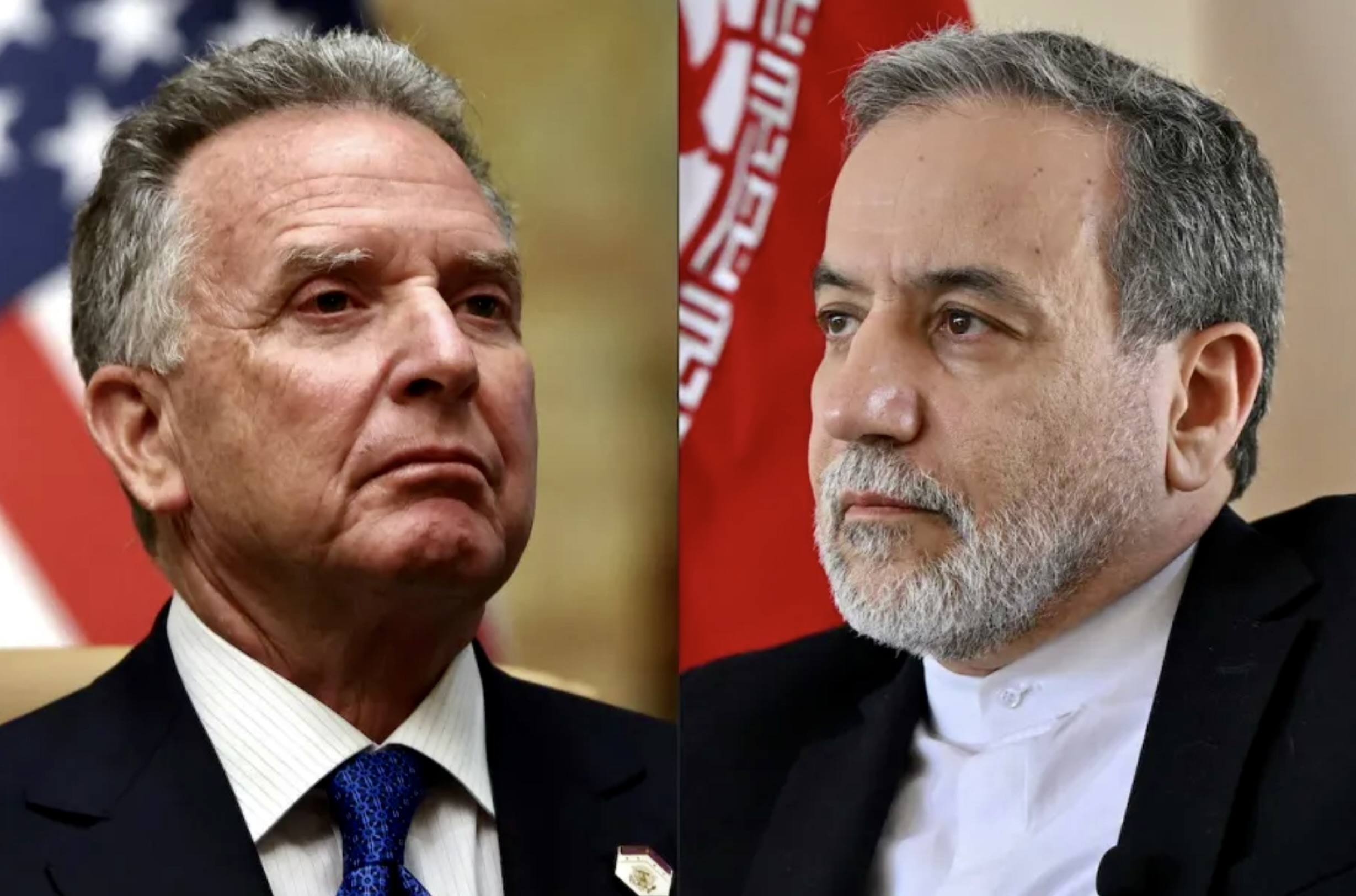
The US delegation in Switzerland, in addition to Vance, is led by presidential special envoy Steve Witkoff and adviser Jared Kushner.
On the Iranian side, the talks involve Parliament Speaker Mohammad‑Bagher Ghalibaf, Foreign Minister Abbas Araghchi, and the head of the central bank.
Strait of Hormuz and Lebanon – the Main Stumbling Blocks
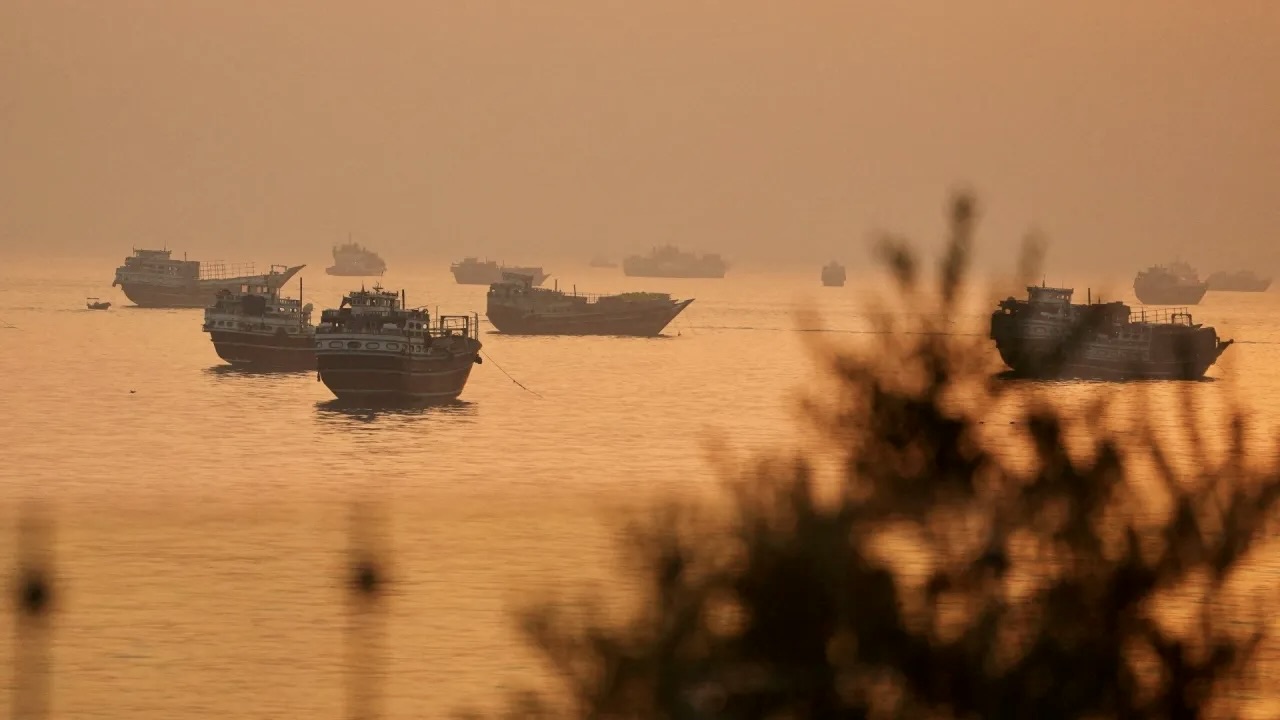
The key issues in the talks remain shipping in the Strait of Hormuz and the situation in Lebanon. On June 20, Iran again announced the closure of the strait, but the US military command denied this, stating that shipping was continuing.
Trump, for his part, threatened to impose US fees for passage through the strait if no final agreement with Iran is reached within 60 days.
Tensions are compounded by ongoing clashes between Israel and Hezbollah in Lebanon, which Iran believes violate the terms of the memorandum. Tehran insists that talks will not progress until the Lebanese issue is resolved.