

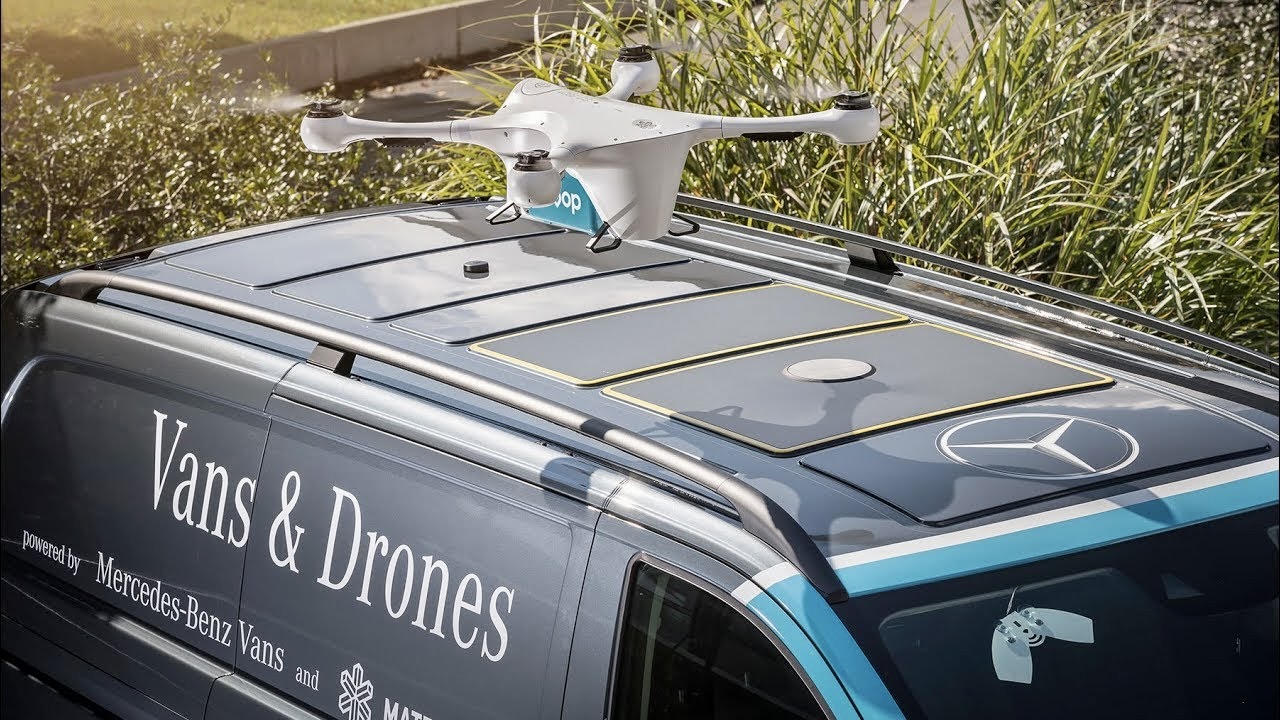
STUTTGART (Realist English). German carmaker Mercedes-Benz has announced a strategic partnership with Munich-based defense startup Tytan Technologies. Under the agreement, the company intends to enter the rapidly growing counter-drone defense sector, providing its vehicles as mobile platforms for drone interception systems.
The decision is a response to the growing threat posed by drones to Europe’s critical infrastructure and represents a new diversification vector for the crisis-ridden German auto industry.
Partnership Details and Technical Features
On June 10, at the ILA Berlin Air Show, the companies are set to sign an official memorandum of understanding. The collaboration was earlier reported by the Financial Times, citing sources close to the talks. The partnership provides for the creation of a mobile air defense system called Drone Defender, designed to combat small unmanned aerial vehicles, including FPV drones.
- Technology and Integration: Mercedes-Benz will supply chassis for two types of vehicles: the Sprinter van and the military version of the G-Class off-roader. These vehicles will be equipped with detection sensors and launchers for intercepting drones. The interceptors themselves will be supplied by Tytan Technologies, a startup specializing in AI‑powered autonomous interceptor drones.
- Speed and Cost: The system is positioned as a cheaper and faster-to-deploy alternative to existing, bulky air defense systems. Production of the Drone Defender is planned to begin by the end of 2026.
Objectives and Applications
The primary driver behind the Drone Defender is concern over the growing threat from drones, including reconnaissance and attack drones. Since the start of the special military operation in Ukraine, German authorities have recorded an increase in suspicious drone incidents near airports and military facilities, in which they suspect Moscow’s involvement.
The new system is intended to protect critical infrastructure — such as power plants, oil refineries, and transport hubs — from drone attacks. Moreover, there is a possibility that these mobile anti‑drone units could be deployed in the combat zone in Ukraine, given that Tytan Technologies is already a supplier of interceptors to Ukrainian forces.
Automaker’s Response
Mercedes‑Benz’s decision to diversify its business comes amid a prolonged crisis in the automotive industry. Companies are suffering multibillion‑euro losses, their profits are falling, and competition from Chinese manufacturers is intensifying. Mercedes CEO Ola Källenius has previously expressed readiness to expand into the defense sector, though he described it as a “niche activity.”
This initiative fits into a broader trend of convergence between the German auto industry and the defense sector, driven by rising defense budgets across Europe. For example, competitor Volkswagen is also in talks about potential cooperation with the Israeli manufacturer of the Iron Dome air defense system.
The partnership between Mercedes‑Benz and Tytan Technologies is an important indicator of how civilian companies are adapting to modern geopolitical and technological challenges by moving into the production of high‑tech dual‑use systems.
If successful, the Drone Defender could carve out a niche in the counter‑UAV market, becoming an accessible tool for armed forces and security services on both sides of the Atlantic. Details of the deal and potential customers are expected to be announced shortly.