TEHRAN (Realist English). On the 101st day of the war, Tehran’s commanders announced a ceasefire, but the truce established on April 8 remains extremely fragile — an ultimatum ties the fate of the ceasefire to the situation on the Lebanese front, where the Israel Defense Forces continue their ground operation.
The announcement was followed by a series of mutual strikes on energy infrastructure and new threats to shipping in the Red Sea.
101st Day of War: From Tehran to Haifa
On June 7, Israeli aircraft, contrary to Washington’s demands, struck the southern suburbs of Beirut, where Hezbollah facilities are located. In response, the Islamic Revolutionary Guard Corps (IRGC) launched ballistic missiles at northern Israeli territory.
On the morning of June 8, the escalation continued: the IDF attacked the Mahshahr petrochemical complex in southwestern Iran.
According to Tel Aviv, this facility was used to produce components for ballistic missiles. The IRGC immediately responded by striking a similar facility in the port city of Haifa — for the first time since the start of the conflict, the sides targeted fuel and energy infrastructure directly. Explosions were heard in Tehran, Isfahan, Karaj and Tabriz.
Following this, the IRGC command issued a statement broadcast on state television: Iran had delivered a “painful response” to Israel and “accordingly, the cessation of armed forces operations is hereby declared.” A crucial caveat was added: in the event of renewed aggression or hostile actions, including on the territory of southern Lebanon, “more severe and crushing measures than before” would follow.
Strikes on Petrochemicals and the “Green Zone” Under Fire
The strike on Haifa was symbolic — this port city had long been considered a relatively quiet rear area. The destruction of Iranian air defenses, according to the IDF, opened a corridor for further strikes. The United States, for its part, confirmed that its forces are on high alert, and the US embassy in Jerusalem ordered its staff to take shelter in bomb shelters. Diplomatic missions in Tel Aviv temporarily suspended operations.
Trump’s Ultimatum: “Stop Shooting Immediately”
US President Donald Trump reacted instantly and harshly. His first post on Truth Social contained a direct demand: “Israel and Iran must stop ‘shooting’ immediately.” This was followed by clarification: “Both sides, Israel and Iran, intend to achieve an IMMEDIATE CEASEFIRE! Final ‘peace’ negotiations continue… The blockade will remain in full force until the ‘Final Deal’ is reached. Everything must move quickly.”
According to informed sources, this public statement was followed by a direct phone call between the leaders. The American leader expressed displeasure with the Israeli strike on Beirut, which had triggered the new wave of conflict.
Lebanese Front: Irreconcilable Conditions
The main obstacle to a stable ceasefire remains the differing approaches to the Lebanese settlement. Iran took a hard line — both in Sunday’s strikes on Israel and in the official command statement — making it clear that a ceasefire with the US must be synchronized with an end to the Israeli campaign in Lebanon and Gaza. Moreover, Tehran demands the complete withdrawal of Israeli troops from occupied Lebanese territories.
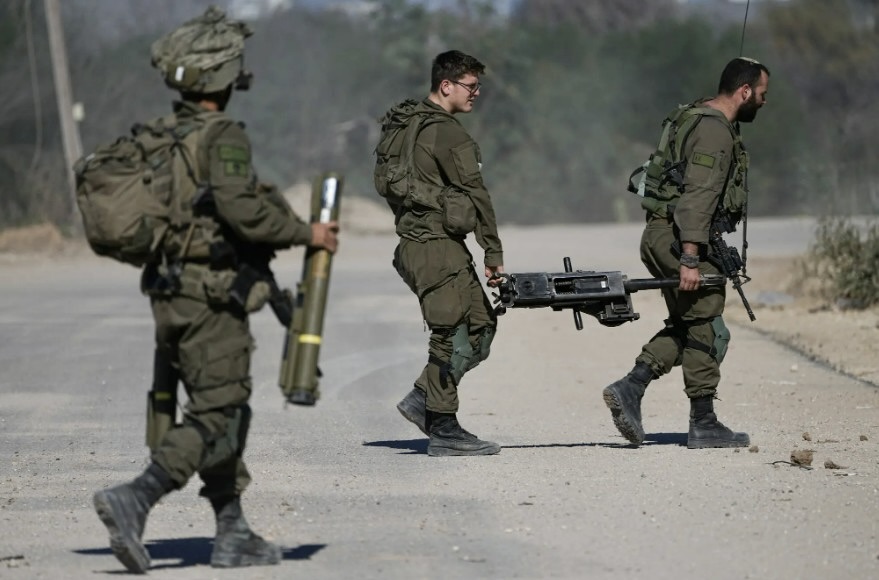
In turn, the Israel Defense Forces officially announced the expansion of their ground operation in southern Lebanon. Israeli leadership continues to insist that US‑Iran agreements should not affect their right to self‑defense against Hezbollah attacks.
Yemeni Factor and Naval Blockade
Yemen’s Houthis expanded the geography of the conflict. On the afternoon of June 8, they announced their intention to attack Israeli ships in the Red Sea and fired a ballistic missile at Israeli territory.
The Trump administration, for its part, confirmed that the naval blockade of Iran will remain in place until a full‑fledged peace agreement is signed. Washington demands that Tehran fully dismantle its nuclear program, remove enriched uranium, and open shipping lanes.
Conclusions
Sunday’s escalation demonstrated the fragility of existing diplomatic agreements. Iran did not go for an all‑out conflict but used military force to remind Washington of its conditions. Israel, in turn, clearly showed that it does not intend to abandon operations against Hezbollah for the sake of negotiations.
The warring parties’ fixation on mutual ultimatums and the continued blockade of the Strait of Hormuz leave investors with no hope for a quick stabilisation, and a new, even more destructive round may be only a matter of time.