

WASHINGTON (Realist English). President Donald Trump announced that the signing of a peace agreement between the United States and Iran is scheduled for Sunday, June 14. Iranian authorities, however, have denied the US leader’s statement. At the same time, Tehran does not rule out that a memorandum of understanding could be signed in the coming days.
Contradictory Statements: “Agreement Will Happen” vs. “Nothing Is Ready Yet”
Trump’s social media post. On Saturday, June 13, Donald Trump wrote on his Truth Social platform: “The agreement is to be signed tomorrow, and immediately after it is signed, the Strait of Hormuz will be OPEN TO EVERYONE.” He also stressed that the deal would be a “wall against nuclear weapons” and that Iran “will not have nuclear weapons, whether by purchase, development, or any other means.”
Official Tehran denies. Iranian Foreign Ministry spokesman Esmaeil Baghaei stated that the memorandum would not be signed on June 14, but did not rule out that it could happen in the coming days. Hours earlier, Baghaei had said that most of the memorandum’s text had been “finally finalized,” but that the US side had made “excessive demands” and added “new requests.”
IRGC position. The Islamic Revolutionary Guard Corps (IRGC) separately stated that no agreement would be signed on June 14. The IRGC also called Trump’s demand for a Sunday signing “pressure on the Iranian negotiating team.”
Role of the Supreme Leader. According to senior US officials, Iran’s Supreme Leader Ayatollah Mojtaba Khamenei, in the words of those in contact with him, “feels comfortable with the current state of the negotiations.” However, his final approval of the deal has not yet been obtained.
Contents of the Memorandum: What Is Known
According to media leaks and official statements, the key points of the preliminary memorandum of understanding are as follows:
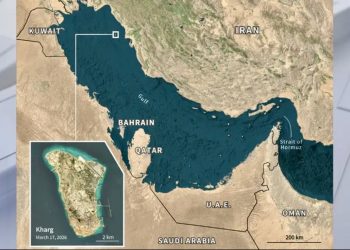
- Lifting the blockade and opening the strait. Trump said that after the agreement is signed, the Strait of Hormuz will be “immediately opened to everyone.” According to the Iranian version, the strait will be opened within 30 days but will remain under Iran’s control. The US insists on immediate opening without any transit fees.
- 60-day technical negotiations. Immediately after the memorandum is signed, a 60‑day period will begin during which the parties will conduct technical negotiations on the nuclear programme, the destruction of enriched uranium stockpiles and the dismantlement of infrastructure. The US insists that economic benefits for Iran will only accrue as obligations are met.
- Nuclear issue. Iran has agreed never to develop or acquire nuclear weapons. However, the Islamic Republic insists on retaining the right to enrich uranium for peaceful purposes. The US demands the complete dismantlement of Iran’s nuclear programme and the removal of enriched materials.
- Frozen assets. Disagreements remain over the release of $24 billion in frozen assets. The White House denies that payments will begin immediately after the memorandum is signed.
- Lebanese front. Iran insists on including a clause in the agreement to halt Israel’s military operation in Lebanon.
“Never Been So Close”: Pakistani Mediation
Pakistan’s Prime Minister Shehbaz Sharif, the key mediator between Washington and Tehran, said on June 12 that a “final agreed text of the peace agreement has been reached,” adding: “Peace has never been so close as it is now.” Trump himself had assessed the probability of success at “80‑85 percent” on June 12. However, the past 24 hours have shown that even after the text was agreed, serious differences remain over both timing and content.
As of the evening of June 13, 2026, the situation surrounding the signing of a US‑Iran agreement remains uncertain. On the one hand, Donald Trump insists the deal will be signed on Sunday, June 14. On the other hand, Tehran — including the Foreign Ministry and the IRGC — denies that it will be signed on that exact day, though it does not rule out that the memorandum could be signed in the coming days.
The key question is whether Iran’s Supreme Leader is ready to put his signature to an agreement that would freeze the country’s nuclear programme for a long time, while bringing economic benefits and opening the Strait of Hormuz. The coming hours will show whether a long‑awaited breakthrough will occur or whether yet another round of negotiations will again reach a dead end.