TEHRAN (Realist English). President Donald Trump called off planned massive airstrikes against Iran at the last minute on June 11, citing progress in negotiations, and announced that a peace agreement could be signed as early as this weekend in Europe.
However, Tehran quickly dismissed his statements as “speculative,” insisting that “the text is not final.” Hours earlier, Trump had threatened to strike Iran “very hard” and seize Kharg Island.
“Final Points Approved”
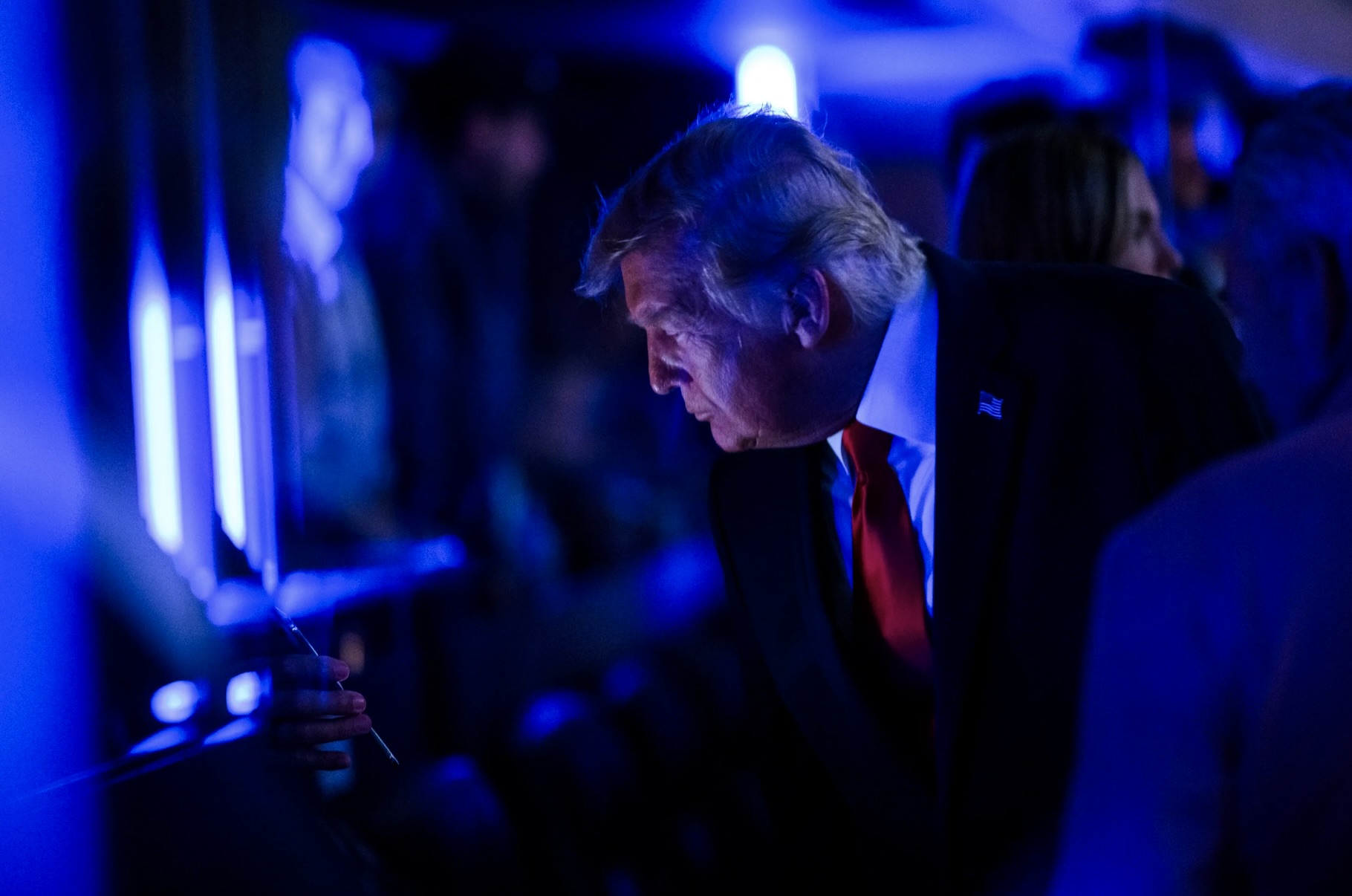
In a series of posts on his Truth Social platform on the evening of June 11, Trump announced the cancellation of the airstrikes and bombings against Iran that had been scheduled for that night.
“Based on the fact that discussions with the Islamic Republic of Iran have been brought to the highest level of Iranian leadership and approved, I have, as President of the United States of America, cancelled the scheduled strikes and bombings against Iran this evening,” Trump wrote.
He added that the “discussions and final points have been, in both concept and great detail, approved by all parties involved, including the United States, Israel, Saudi Arabia, UAE, Qatar, Turkey, Pakistan, Bahrain, Kuwait, Jordan, Egypt, and others”. Trump stressed that the naval blockade would remain in full force until the deal was finalized, and that the time and place of the signing would be announced shortly.
Content of the Deal and the Nuclear Issue
Although the full text of the memorandum of understanding has not been released, Trump disclosed the key parameters of the proposed agreement. According to him, Iran has agreed never to develop or acquire nuclear weapons.
“They will not purchase, develop in any way, any shape, in any way, shape or form a nuclear weapon. They will not have a nuclear weapon,” Trump said.
The MOU would extend the ceasefire for 60 days, including in Lebanon, during which nuclear negotiations would be held. It reportedly also includes a framework for addressing Iran’s stockpile of highly enriched uranium, with Trump agreeing that one option could be down‑blending the uranium inside the country under the supervision of UN inspectors.
Abrupt Reversal: From Threats to Diplomacy
Just hours before the announcement, Trump had been issuing directly opposite statements. He threatened to hit Iran “very hard” and to seize Kharg Island and other oil and gas infrastructure.
“At some point in the not too distant future, we will be taking Kharg Island, and other oil infrastructure points, and assume total control of their Oil and Gas Markets, much like we have with Venezuela,” Trump wrote on Truth Social. During a Fox News interview, he described seizing the island as his “preference,” while admitting he was unsure whether “America has the stomach for it”.
Amidst the statements, oil prices fell sharply. Brent crude dropped approximately 3.6% to $89.73 per barrel, reflecting growing market hopes for a swift resolution of the conflict.
Reaction from Tehran and Israel
Tehran took a restrained position, denying that a final agreement had been reached. Foreign Ministry spokesman Esmaeil Baghaei told state television that reports of an agreement were “speculative” and “nothing is final.” He noted that the bulk of the MOU text had been “finalized,” but that the American side had made “excessive demands” and added “new requests,” stressing that Tehran would not back down from its “red lines.”
The semi‑official Fars news agency, which is close to the IRGC, also reported that Tehran has not yet approved any preliminary MOU with the United States. Iranian state media were skeptical of Trump’s repeated claims. Tasnim news agency noted that the US president had already stated 38 times over the past two months that a deal was “imminent”.
“Until Iran itself announces a potential agreement, any news from Trump on this subject should be treated the same as his previous messages,” the agency warned. Iran’s top negotiator, Mohammad Baqer Ghalibaf, also cautioned that “wrong strategies and impulsive decisions … will create an endless quagmire you will be stuck in”.
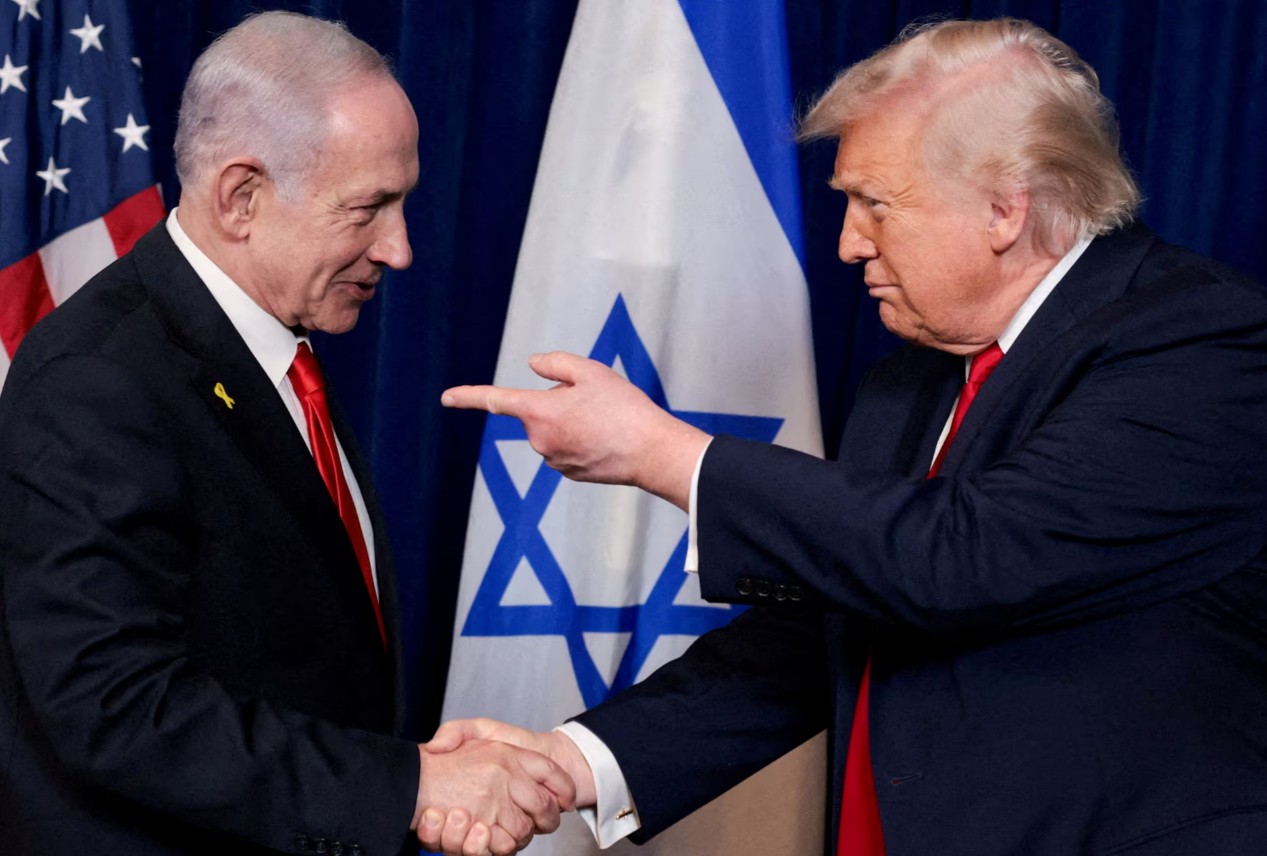
Israeli Prime Minister Benjamin Netanyahu’s office confirmed that a phone call had taken place between Netanyahu and Trump, but stressed that Israel “is not a party to the memorandum of understanding.” The statement expressed appreciation for Trump’s efforts toward a final agreement, which, it said, must include the removal of enriched uranium, the dismantling of enrichment infrastructure, restrictions on Iran’s missile program, and an end to its support for regional proxies.
Economic Consequences
Trump’s decision and the related statements immediately impacted global financial and energy markets. Oil prices fell sharply as investors perceived a potential de‑escalation in the region.
The Dow Jones Industrial Average rose 1.86%, the S&P 500 gained 1.75%, and the Nasdaq Composite climbed 2.54% as markets rallied on the prospect of peace.
However, Trump emphasized that full restoration of normal shipping through the Strait of Hormuz would only occur after the agreement was signed, and that the blockade would remain in place until that time.