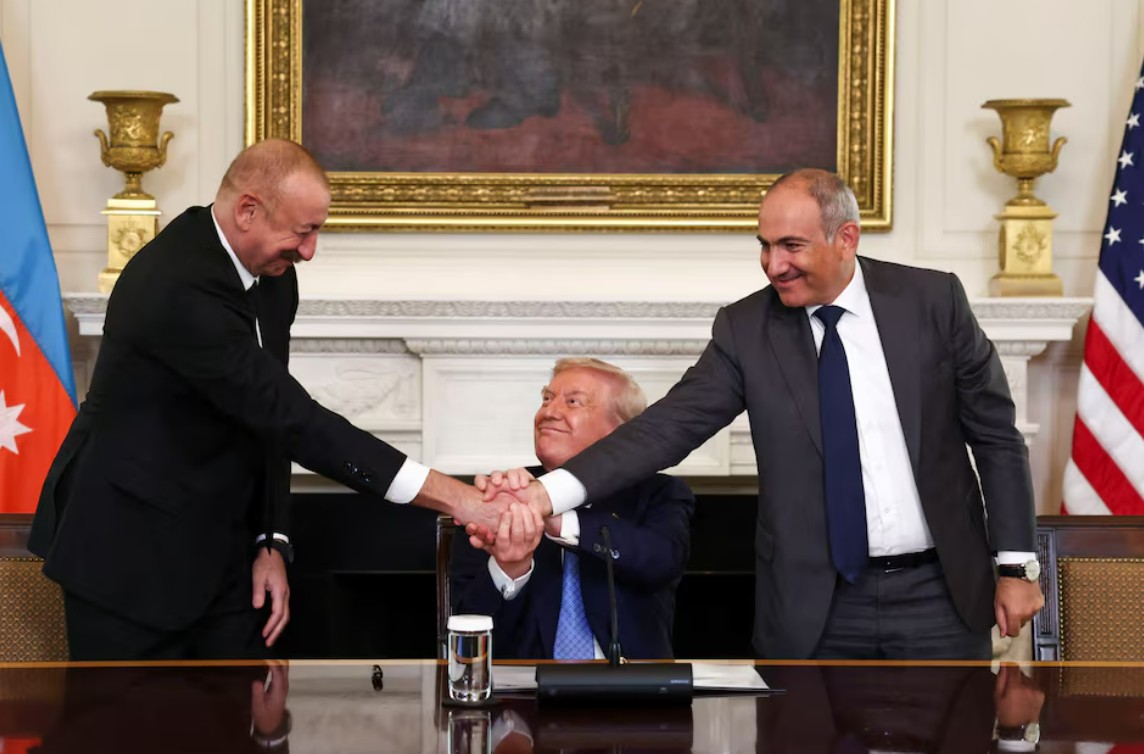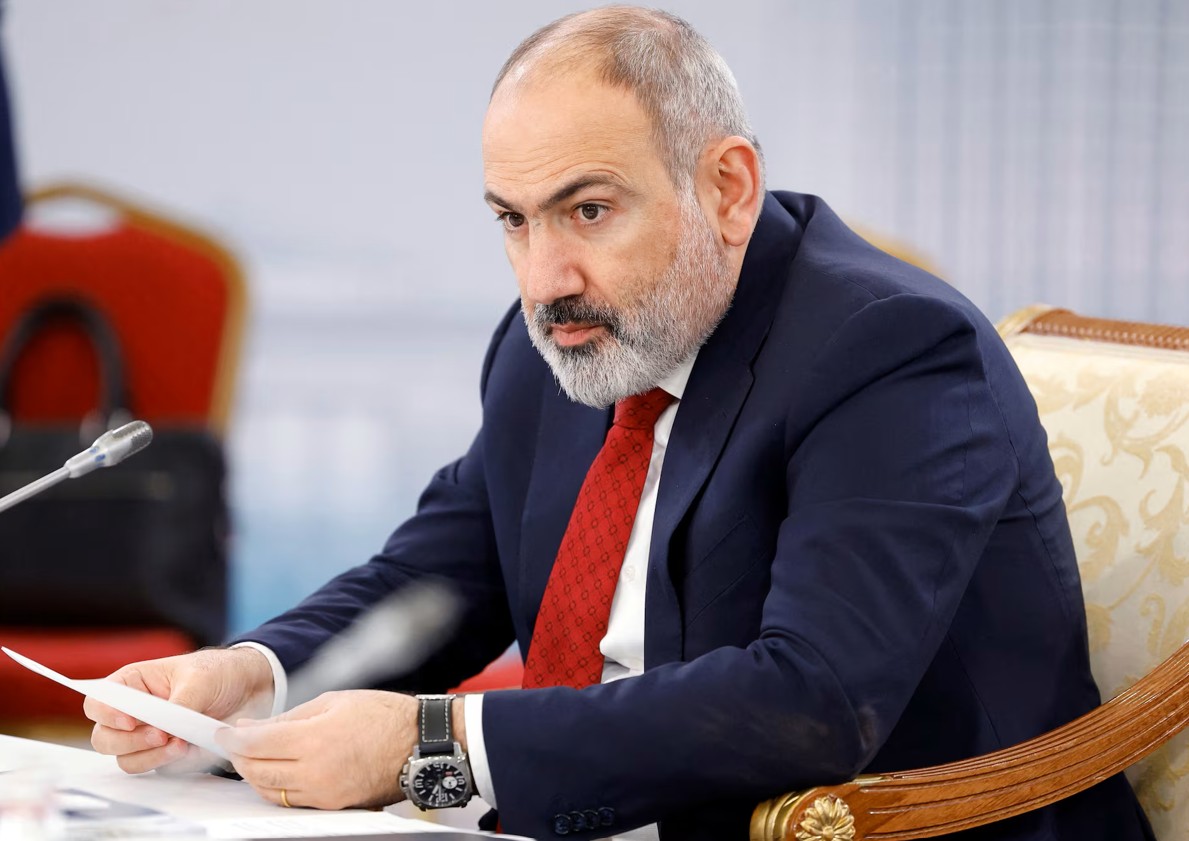

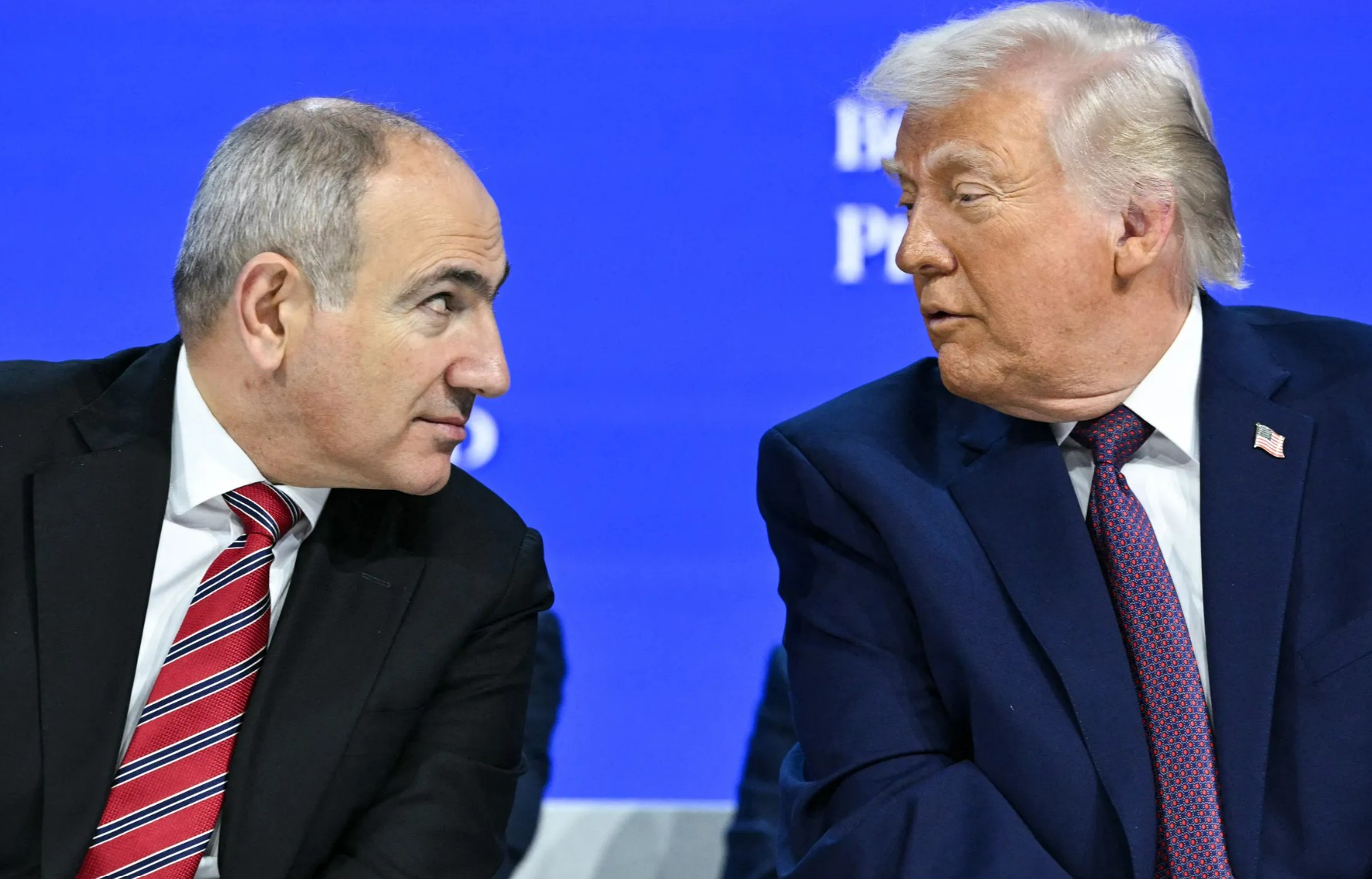
YEREVAN (Realist English). On 23 November, Armenian Prime Minister Nikol Pashinyan and US President Donald Trump simultaneously announced the launch of the “Trump Route for International Peace and Prosperity” (TRIPP) project. The project envisages the creation of a transport corridor about 42 kilometers long through Armenia’s Syunik Province, connecting the main territory of Azerbaijan with the Nakhchivan Autonomous Republic. In addition to railways and roads, the corridor includes power transmission lines and fiber-optic cables.
Management Structure: Controlling Stake with the US
According to the published terms, the joint venture TRIPP Development Company is distributed as follows: US — 74%, Armenia — 26%. The agreement term is 49 years (according to some sources, up to 99 years). Upon extension, Armenia’s share may increase to 49%, the US — to 51%. The American infrastructure company AECOM is already completing a preliminary feasibility study for the railway connection.
Ratification and Energy Interconnectivity
Armenia’s parliament ratified the framework agreement with the US on 28 October 2026 by a vote of 63 to 32; President Vahagn Khachaturyan signed it on 10 November. Pashinyan separately stated that under TRIPP, Armenia will connect its energy system to the grids of Turkey and Azerbaijan—in addition to existing connections to Georgia and Iran.
Reaction from Iran and Russia
Ali Akbar Velayati, adviser to Iran’s Supreme Leader, warned that Iran will not allow the creation of a transport corridor under US control and will “respond harshly” to any crossing of red lines.
Yuri Shevtsov, deputy secretary of Russia’s Security Council, accused Washington of using TRIPP to create a “state within a state” on Armenian territory—with the possible deployment of American private military companies and intelligence infrastructure.
Criticism Inside Armenia
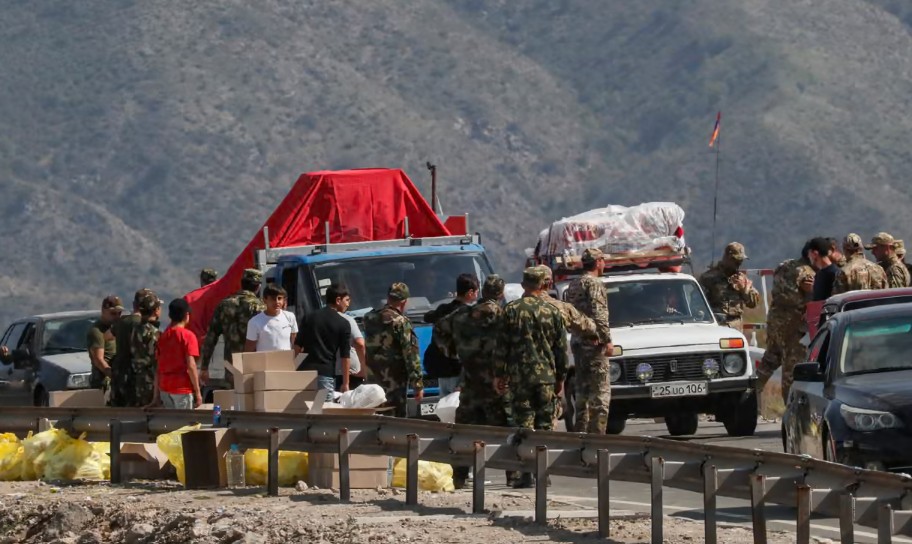
Opposition factions call the project a “constitutional capitulation” to Baku: in their view, TRIPP de facto consolidates Yerevan’s renunciation of claims to Nagorno-Karabakh and does not provide security guarantees for the Armenian population that left the region in 2023. Critics also point out that the agreement grants the US a controlling stake and long-term rights without transparent accountability mechanisms.
Official Position
Pashinyan calls TRIPP “the largest economic project since independence,” which will bring Armenia transit hub status and investment. The Trump administration, in turn, presents the project as an instrument of “peace through prosperity” in the South Caucasus.
As observers note, the key feature of the situation is the gap between the declared economic benefits and geopolitical costs. For regional trade, TRIPP may indeed activate the Trans-Caspian route, but the confrontation with Iran and Russia, as well as the deepening of Yerevan’s dependence on Washington, may prove deeper than the transit dividends. The near-term effect will be most visible in whether actual construction of the corridor begins and how Tehran and Moscow react—and that is where it is most sensitive for the prospects of the project’s sustainability.