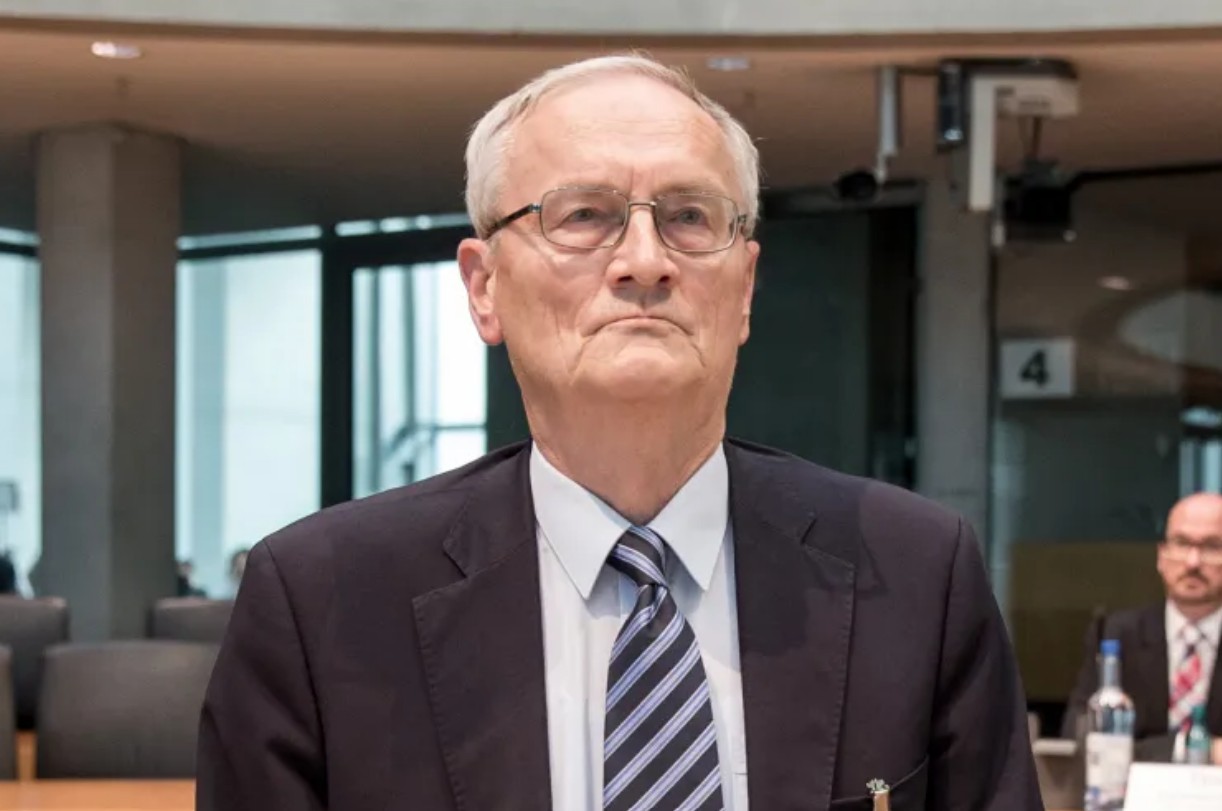
YEREVAN (Realist English). On 3 November, at a joint session of the standing committees of Armenia’s National Assembly during the preliminary discussion of the 2027 state budget draft, the head of the Prime Minister’s staff, Lilit Makunts, answered a question about the status of mutual lawsuits with Azerbaijan.
According to her, the decision to withdraw can be taken exclusively within the logic of the peace process and only on condition that the treaty is finally signed. The statement came amid another round of pressure from Baku, which for months has been trying to bargain for the cancellation of legal proceedings without acknowledging responsibility for the crimes committed.
Condition for withdrawal: first peace, then courts
Makunts stressed that Armenia does not in principle renounce the protection of its interests in international instances. “The Republic of Armenia will never renounce the protection of its interests in international instances.
As for the existing disputes between Armenia and Azerbaijan, within the logic of the peace process, a decision on the mutual withdrawal of lawsuits may, of course, be taken, but only if the Republic of Armenia and the Republic of Azerbaijan finally sign the peace treaty,” Armenpress quoted her as saying.
The text of the initialled peace agreement between the parties contains Article 15, which provides: “Within one month after the entry into force of this Agreement, the Parties shall withdraw, annul or otherwise settle any interstate claims, complaints, appeals, objections, proceedings and disputes filed with any legal body on matters that existed between the Parties prior to the signing of this Agreement.” Thus, the withdrawal of lawsuits is not a one-off political declaration but a legal obligation built into the future treaty.
Baku pressures, avoiding responsibility
The Azerbaijani side, in turn, insists on the withdrawal of lawsuits before the treaty is signed, trying to absolve itself of responsibility for war crimes and ethnic cleansing in Nagorno-Karabakh.
For years Baku has ignored decisions of international courts, refuses to cooperate with the ECHR and does not provide information on the fate of Armenian prisoners. Using the peace process to cancel proceedings is not a step toward reconciliation but an attempt to evade justice. Azerbaijan’s judicial system is fully controlled by the authorities, and international courts remain perhaps the only mechanism for holding Baku accountable.
What lawsuits are pending
Several interstate proceedings are at issue. The International Court of Justice is considering a case brought by Armenia on 16 September 2021 concerning alleged violations by Azerbaijan of the International Convention on the Elimination of All Forms of Racial Discrimination.
At the European Court of Human Rights (ECHR), Armenia has filed four interstate complaints against Azerbaijan concerning alleged human rights violations during and after the 44-day war of 2020 in Nagorno-Karabakh, the treatment of Armenian prisoners, the armed clashes of 2021–2022, the blockade of the Lachin Corridor and the events in Nagorno-Karabakh in 2023.
Yerevan’s position: reserving the right to new lawsuits
Previously, Prime Minister Nikol Pashinyan has repeatedly allowed for the possibility of withdrawing interstate lawsuits against Azerbaijan from international judicial bodies.
At the same time, he indicated that the parties should retain the right to apply to international courts regarding possible new disputes. This caveat is important: the withdrawal concerns only past claims recorded before the signing of the agreement but does not block future proceedings. Baku, judging by its reaction, is not satisfied with such a caveat — Azerbaijan is striving for full legal impunity.
Fragile peace process
Makunts’s statement came amid continued coordination of the peace treaty, which has not yet been finally signed. The draft agreement has already been initialled, and Article 15 is one of its key provisions removing mutual legal claims.
However, until the treaty enters into force, the lawsuits remain pending, and Armenia, according to officials, has not withdrawn a single one of them. Baku, in turn, continues to press, trying to blur responsibility for crimes and avoid trial.
The withdrawal of lawsuits from international courts is not a technical procedure but a political concession that could become one of the last stones in the foundation of the peace agreement.
For Yerevan, this means abandoning legal prosecution of Baku over the most sensitive episodes — from racial discrimination to the events in Nagorno-Karabakh — in exchange for a legally secured peace.
However, the conditioning of the withdrawal on the final signing of the treaty leaves room for manoeuvre: if the process stalls, the lawsuits will remain as leverage.
The key question is whether Azerbaijan will agree to mirror obligations and whether it will try to use the pause before signing for new claims. So far Baku has demonstrated an unwillingness to acknowledge responsibility, and the peace process remains hostage to its desire to evade justice.
Baku, which has denied its crimes for decades, now wants to use the peace process to avoid trial. If Azerbaijan does not acknowledge responsibility and does not ensure the implementation of international court decisions, the peace treaty will remain merely a paper covering impunity.