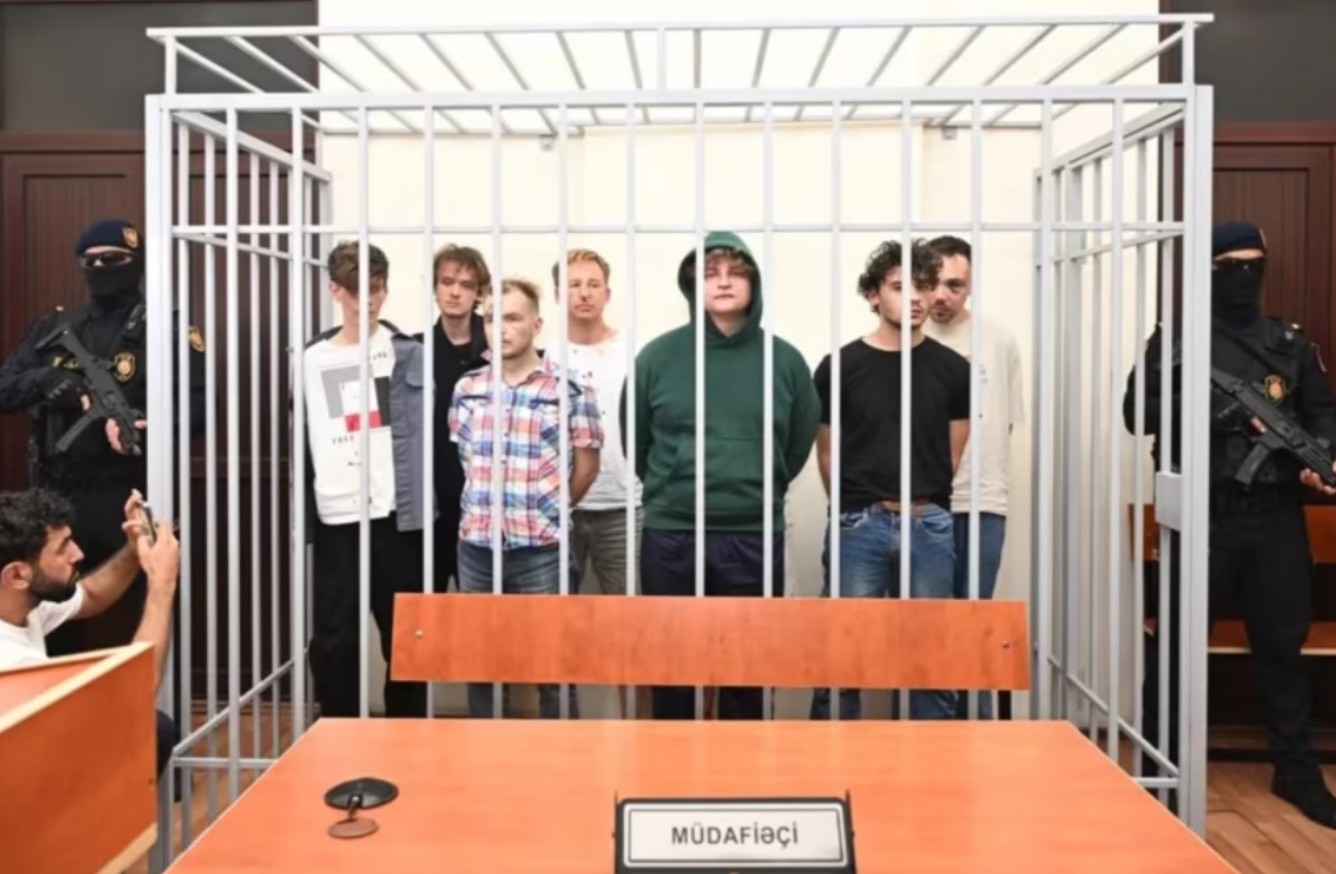
YEREVAN (Realist English). July 2026 proved to be eventful for Armenian Prime Minister Nikol Pashinyan. The parliamentary elections were won, the Constitutional Court obediently confirmed their legitimacy, and the opposition, instead of getting in the way, is now sitting in cells enjoying the hospitality of pre‑trial detention centres.
All that remains is to deal with the peasants who mistakenly thought their harvest needed to be sold somewhere. But that, as they say, is just details.
Elections Are Over, But the Pressure Isn’t
On June 7, parliamentary elections were held in Armenia. Pashinyan’s “Civil Contract” party received 49.7% of the vote, winning 64 seats in parliament. The opposition blocs “Strong Armenia” (23.2%) and “Armenia” (9.9%) went into opposition. It would seem one could breathe a sigh of relief and get on with the promised reforms. But not so fast.
The Armenian authorities, it appears, were seriously offended that the opposition dared to participate in the elections at all. Mass arrests of opposition figures began immediately after the vote, and in July the pressure only intensified. The authorities are clearly worried about their “weak” election result, where their party barely scraped past 50%.
As political scientist Arthur Atayev aptly noted, Pashinyan considers opposition leaders to be a “three‑headed dragon of war” and personal enemies, which is why he is waging a fierce struggle against them. Moreover, he is convinced that these forces are inclined to improve relations with Russia, which, apparently, in the new “European Armenia” is a mortal sin.
Criminal Cases Against All Opposition Leaders
By the end of July, all leaders of the major opposition parties had become defendants in criminal cases. Nothing personal — just business.
- Gagik Tsarukyan, leader of “Prosperous Armenia,” was arrested on July 6. He is charged with fraudulent imports of goods from Iran worth $21 million and illegal hunting. Searches were conducted at his home and businesses. Eight opposition parties issued a statement calling it political persecution.
- Samvel Karapetyan, founder of “Strong Armenia,” already spent several months in prison last summer and has since been under house arrest.
- Narek Karapetyan, Samvel’s nephew and the bloc’s new leader, managed to secure a parliamentary mandate and immediately found himself under investigation on two charges — for bribing rally participants and money laundering. He faces up to 12 years in prison. Investigators had to approach the Central Election Commission twice to obtain permission for criminal prosecution of an MP — the first time the commission refused. His lawyer called it “political theatre.”
As one opposition politician put it, “the era of mass political persecution under Pashinyan is steadily leading to dictatorship.” It sounds grandiloquent, but given what is happening, it’s not far from the truth.
Reliable Rear Support
On July 4, Armenia’s Constitutional Court rejected a request from the pro‑Russian opposition to annul the election results, confirming Pashinyan’s victory. For the opposition, this meant the only institutional channel for challenging the elections was closed. In response, the “Armenia” and “Strong Armenia” blocs decided not to give up their mandates, calling them “weapons” for resistance. But in a country where criminal cases are opened at the snap of a finger, the parliamentary rostrum is not the safest place.
Protests: People Are Unhappy, But Pashinyan Is in the Disaster Zone
On July 7, thousands of protesters gathered outside Pashinyan’s residence in Yerevan, demanding his resignation. However, the prime minister was not there — he had been in the “disaster zone” in the north of the country since morning. A convenient coincidence.
The opposition is preparing for new rallies and street struggle. Archbishop Bagrat Galstanyan, the leader of the protest movement, said that to begin impeachment proceedings, they are one vote short: the opposition has 35 votes, and they need 36. The protesters plan to solve this problem through street pressure.
Farmers and Fishermen Against the “European Choice”
While Pashinyan fights the opposition, Armenian farmers and fishermen have taken to the streets, blocking highways. In the Ararat region, 60 tons of tomatoes have piled up with nowhere to go. In fishermen’s refrigerators, there are about 15,000 tons of fish.
The problem is that the European market promised by Pashinyan has not opened. And Russia, which the prime minister calls an “unfriendly country,” has imposed phytosanitary restrictions on Armenian products. As a result, trade turnover with Russia has fallen by more than 20%. Experts call claims about access to the EU a “fiction.”
Thousands of farmers are on the brink of bankruptcy due to the political ambitions of the leadership. Experts warn of an impending collapse of agriculture and a possible “anti‑Pashinyan Maidan.”
Pashinyan continues his fight against the “three‑headed dragon” of opposition, criminal cases are multiplying, farmers are starving, and Europe, apparently, is satisfied — after all, the main thing is that reforms proceed according to plan and the discontented sit in prisons.
Impeachment is not yet a threat — just one vote is missing. But, as is well known, in Armenia one vote can be decisive — especially if it belongs to someone who will be jailed tomorrow.