BAKU (Realist English). Azerbaijani authorities have launched a campaign to squeeze religious symbols out of schools. Under the hypocritical slogan of a “secular state,” Baku bans girls from wearing the hijab and female teachers from working in headscarves. Female teachers were ordered to remove the headscarf or resign. Girls are not allowed to attend classes. Aliyev responded: “Let no one poke their nose into our way of life.” Hundreds of families have faced a violation of the right to education.
Timeline of tightening: from students to teachers
It all began with Cabinet of Ministers Resolution No. 309 of September 21. Formally, it supplemented school uniform rules with a ban on clothing elements that violate its uniformity and “do not correspond to the principle of secular general education.” The word “hijab” is not mentioned in the document. But officials and human rights defenders immediately understood what was meant.
Events then developed rapidly.
Late September. In schools in Sumgait, Jalilabad, Ganja, and Baku, cases began of girls in headscarves not being allowed to attend classes. Parents were told: remove the hijab or leave the school.
October 6. The Cabinet of Ministers approved separate requirements for teachers’ appearance. Now their clothing must also correspond to the “principle of the secular nature of education.” The ban extended to teachers as well.
October 9. The Baku Education Department announced the start of inspections of dress code compliance in public schools.
Key episodes: tears, protests, and a hunger strike
Against the backdrop of these decisions, videos spread on social media that made the topic a national issue.
Tears at school gates. Footage of girls in headscarves crying at school doors received wide resonance. Cases were reported in Sumgait, Jalilabad, and other districts.
Teachers told to “remove or leave.” According to Toplum TV, female teachers in Baku and Sumgait were ordered either to remove the headscarf or write a resignation letter. Videos of students hugging dismissed teachers also spread online.
Spontaneous protest. Students of School No. 69 in the Balakhany settlement near Baku came to the building with a poster reading “Hijab is not an obstacle to education!”
Hunger strike. Convicted journalist Polad Aslanov announced a hunger strike in his colony on October 8 in protest against the exclusion of schoolgirls in hijabs.
Arrest of a theologian. Back in late September, theologian Abgul Suleymanov received 30 days of administrative arrest. He had publicly criticized the restrictions. His family links the arrest specifically to this position.
How it is with hijabs in schools in other countries
Against the backdrop of the Azerbaijani ban, the situation in other countries is telling. In the UK, the hijab is permitted in schools if it does not violate safety rules. In Spain and Sweden, there is no national ban — schools decide independently, but as a rule, the hijab is allowed.
In Switzerland, the National Council in 2025 refused to introduce a general ban on headscarves in public schools, recognizing that it would contradict the Constitution. In Germany and Denmark, the hijab in schools is also generally permitted.
Official position: “secularism” and Aliyev’s harsh response
The authorities insist: the reform is aimed at creating a “disciplined, neat, and equal educational environment.” A common uniform erases social and religious differences. Responsibility for compliance with the rules is placed on parents. Disputed issues are referred to school pedagogical councils.
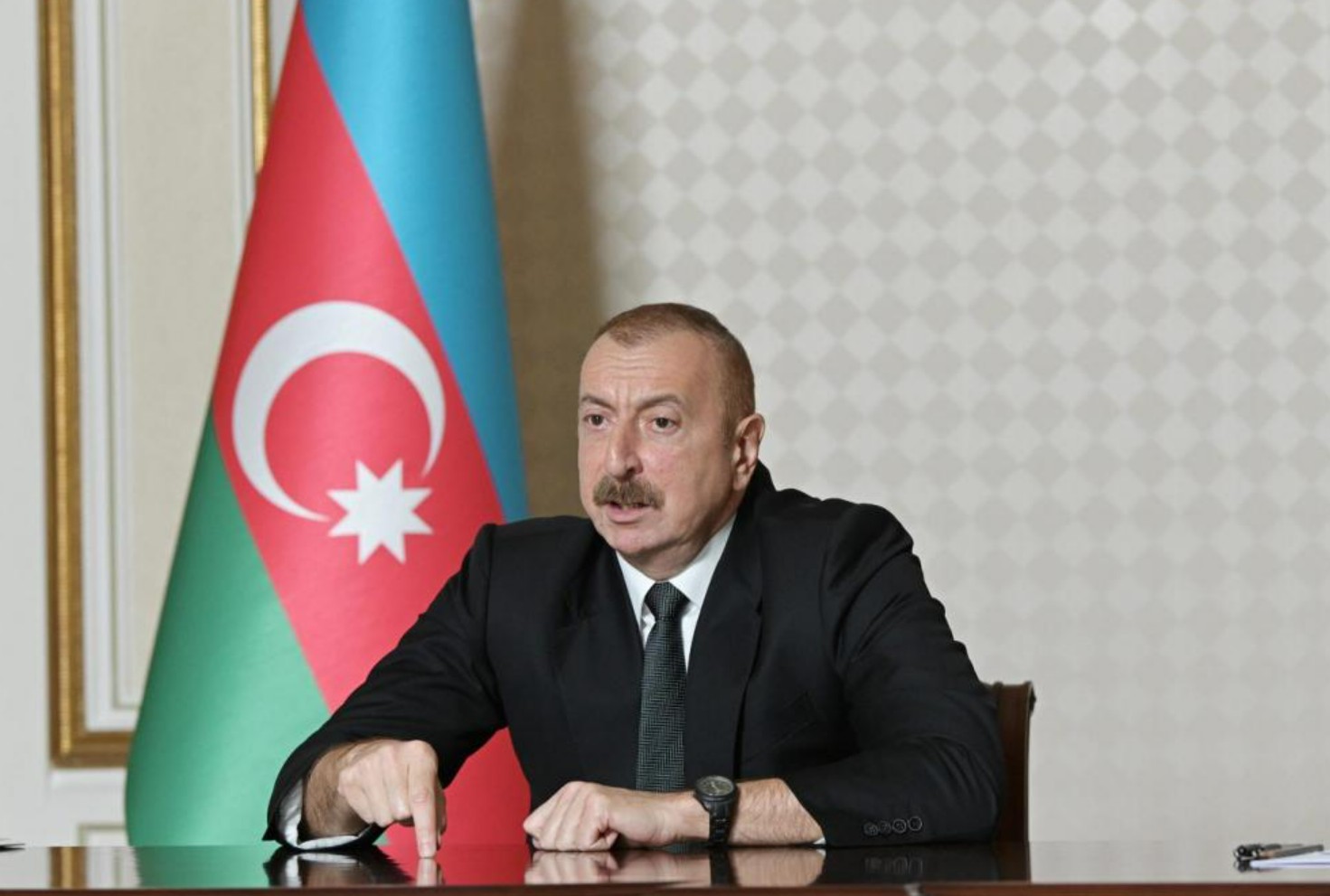
President Ilham Aliyev on October 4 responded to criticism (including from Turkey) extremely harshly: “Let no one poke their nose into our way of life and tell us what to do.” He emphasized: Azerbaijan is taking measures against “physical and ideological risks.”
What critics say and where the legal contradiction lies
Human rights defenders (for example, Arzu Abdulla) point to legal uncertainty. The resolution contains no direct ban on the hijab. But in practice, girls are not allowed into schools. Parents appeal to Article 42 of the Constitution on the right to education. But they cannot obtain official refusal notices.
There is also no unity in the educational community. Expert Ramin Nuraliyev notes: a headscarf does not violate the school uniform if the rest of the clothing meets the requirements. Others (Elchin Efendi) speak of the need to prevent the imposition of religious views on other students.
The essence of the dispute: this is not just a question of fabric. It is a clash of two visions of what secularism should look like in a country with a Muslim majority. As the complete displacement of religious symbols from school. Or as a neutral attitude toward personal choice that does not hinder others.