HAVANA (Realist English). The Trump administration has come dangerously close to a military conflict with Cuba, which, according to retired diplomat Ricardo Zuniga, would not lead to the desired regime change but would open a Pandora’s box of protracted guerrilla warfare and humanitarian catastrophe.
Cuba, unlike Venezuela, has no “Delcy Rodríguez figure” ready to cooperate with the United States, and is built around the “War of All Peoples” doctrine — a dispersed armed resistance against an occupying force.
However, Washington has an alternative: use its economic pressure for substantive negotiations, promising sanctions relief in exchange for the removal of Chinese and Russian intelligence facilities and economic liberalization.
Cuba Under Siege: Oil Blockade and Invasion Threats
Since Donald Trump’s return to the White House in January 2025, his administration has steadily tightened the screws on Havana. A near‑total naval blockade on oil shipments has plunged much of the island into darkness. Sanctions against state structures and dozens of officials and their families have been expanded.
Trump signed an executive order sanctioning foreign companies doing business with the giant military conglomerate GAESA, prompting long‑time investors such as the shipping giant Hapag Lloyd and the Iberostar hotel chain to abandon the island.
US military activity leaves no doubt about a possible scenario: Navy ships patrol off the coast, and surveillance flights have intensified.
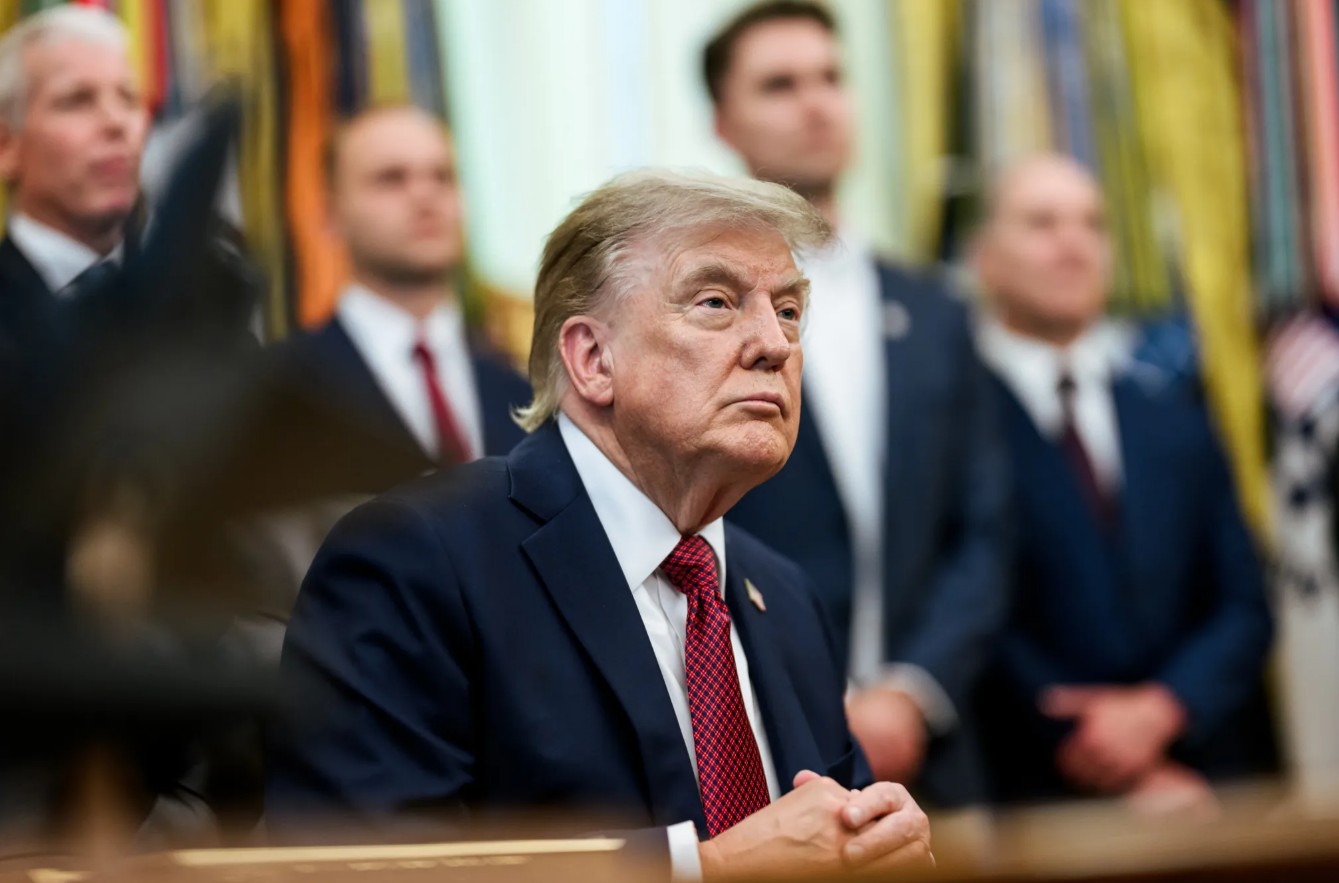
“Cuba is going to fall pretty soon,” Trump told CNN on March 6, 2026, as US naval vessels maneuvered around the island. Weeks later, at a business forum, the president added that after Iran, Cuba “is next.”
The author, a former Obama adviser for the Americas (2012–2015) and participant in the 2014 diplomatic opening, says plainly that the “empire” this time is serious.
What’s Wrong with the Military Scenario?
At first glance, invading Cuba seems like an easy walk compared to Iran: the island is barely more than 5% of Iran’s territory, its armed forces are much smaller and technologically backward. However, Zuniga argues, Havana has been preparing for exactly this scenario for more than half a century.
Cohesive elite without “traitors.” Unlike Venezuela, where Vice President Delcy Rodríguez anticipated Maduro’s overthrow and immediately agreed to cooperate with the US, Cuba has no such figure. The state is run by a consortium of Communist Party leaders, the armed forces, the Interior Ministry, state company directors, and provincial leaders. No split or personal enmity is visible among them. Even 95‑year‑old Raúl Castro remains an influential figure, and his recent federal indictment for involvement in the 1996 downing of a civilian aircraft has only deepened suspicions about Washington’s intentions.
Doctrine of the “War of All Peoples.” Cuba’s military doctrine envisions an inevitable defeat in the conventional phase, followed by a protracted guerrilla war. Weapons caches and support structures for irregular resistance, for which Cuban units have trained for decades, are scattered across the island. Even if the civilian population does not support the insurgency, dispersed soldiers could make life hellish for US occupation forces.
Alternative: Negotiations Instead of Bombing
The author offers a sober, pragmatic path: use pressure as a lever for diplomacy, not for war.
Security in exchange for concessions. The first step is to establish permanent high‑level channels of communication. Visits by CIA Director John Ratcliffe (May 14) and the head of US Southern Command two weeks later were encouraging, but regular meetings of the same teams are necessary. Washington should clearly offer:
- Non‑aggression in exchange for removing Chinese and Russian signals intelligence sites that spy on US military communications.
- Economic relief in exchange for removing barriers to foreign investment and, especially, to the growth of the private sector. This could include technical assistance to the banking system.
Political reforms as the next stage. Later, more complex issues can be addressed: ending the persecution of dissidents, releasing political prisoners, loosening controls on the internet and non‑state media. Such steps alone will not turn Cuba into a democracy, but they will set it on a more liberal course.
Lessons of Nicaragua and the Role of Congress
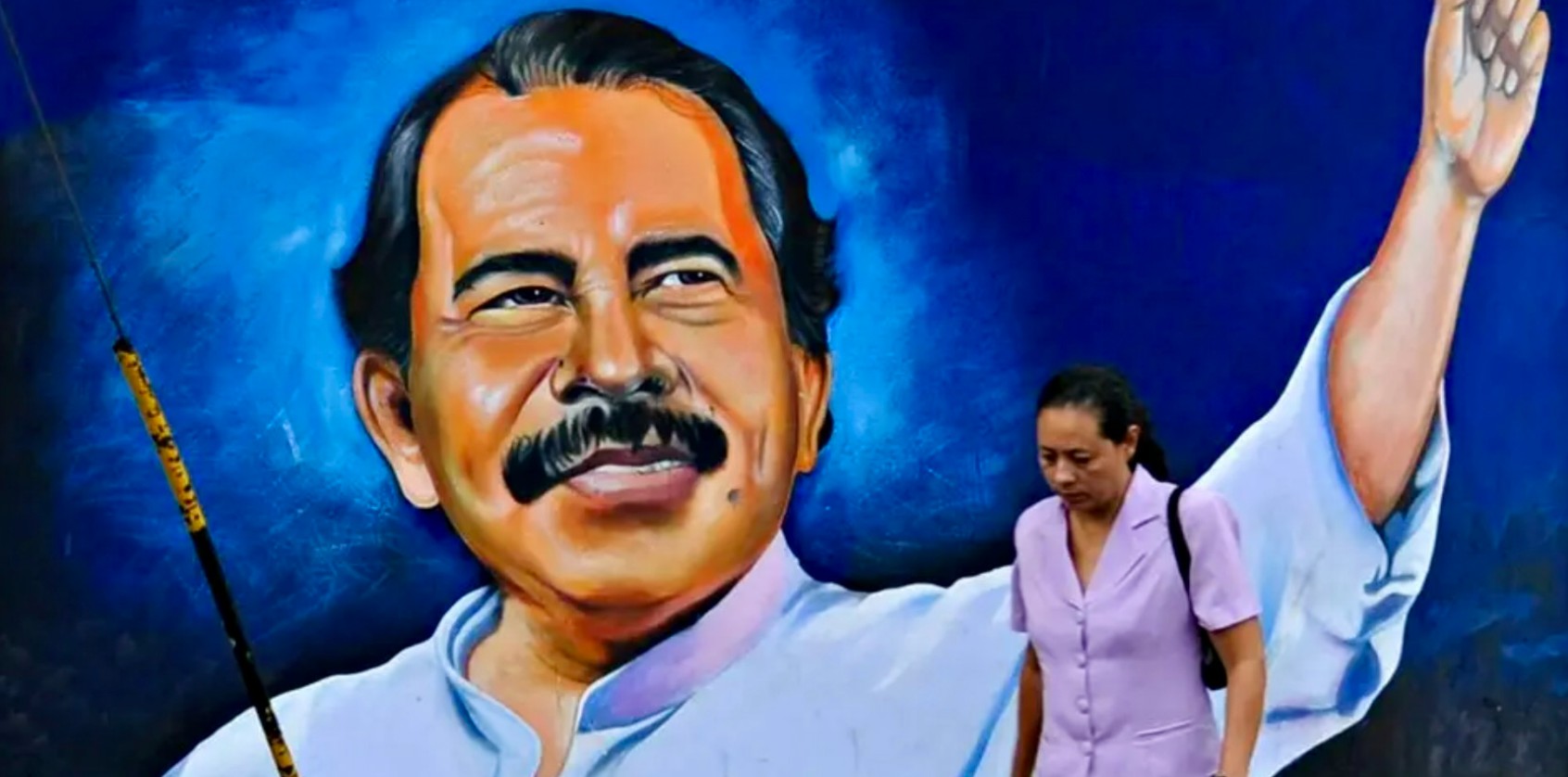
The author recalls a historic US mistake. In 1990, the pro‑American figure Violeta Chamorro defeated Ortega in the elections, but Congress did not lift sanctions on Nicaragua — in fact, it expanded them. The economy did not recover, and in 2007 Ortega returned to power, ruling as a dictator ever since. If the United States wants lasting positive change, sanctions must be flexible and lifted in exchange for real reforms.
Conclusions
Ricardo Zuniga concludes that a military adventure in Cuba would not be a “quick victory” but a risk of bloody guerrilla war and social collapse that would harm both Cubans and US interests. However, the Trump administration, with its unique influence over the Republican Congress and the trust of the Cuban‑American diaspora, has all the levers to strike a pragmatic deal.
“Ultimately, it is Cuban citizens who will determine their country’s future,” the diplomat concludes, urging that they be given a chance for recovery rather than another war, leaving the rusting watchtowers on the beaches as symbols of a conflict avoided.