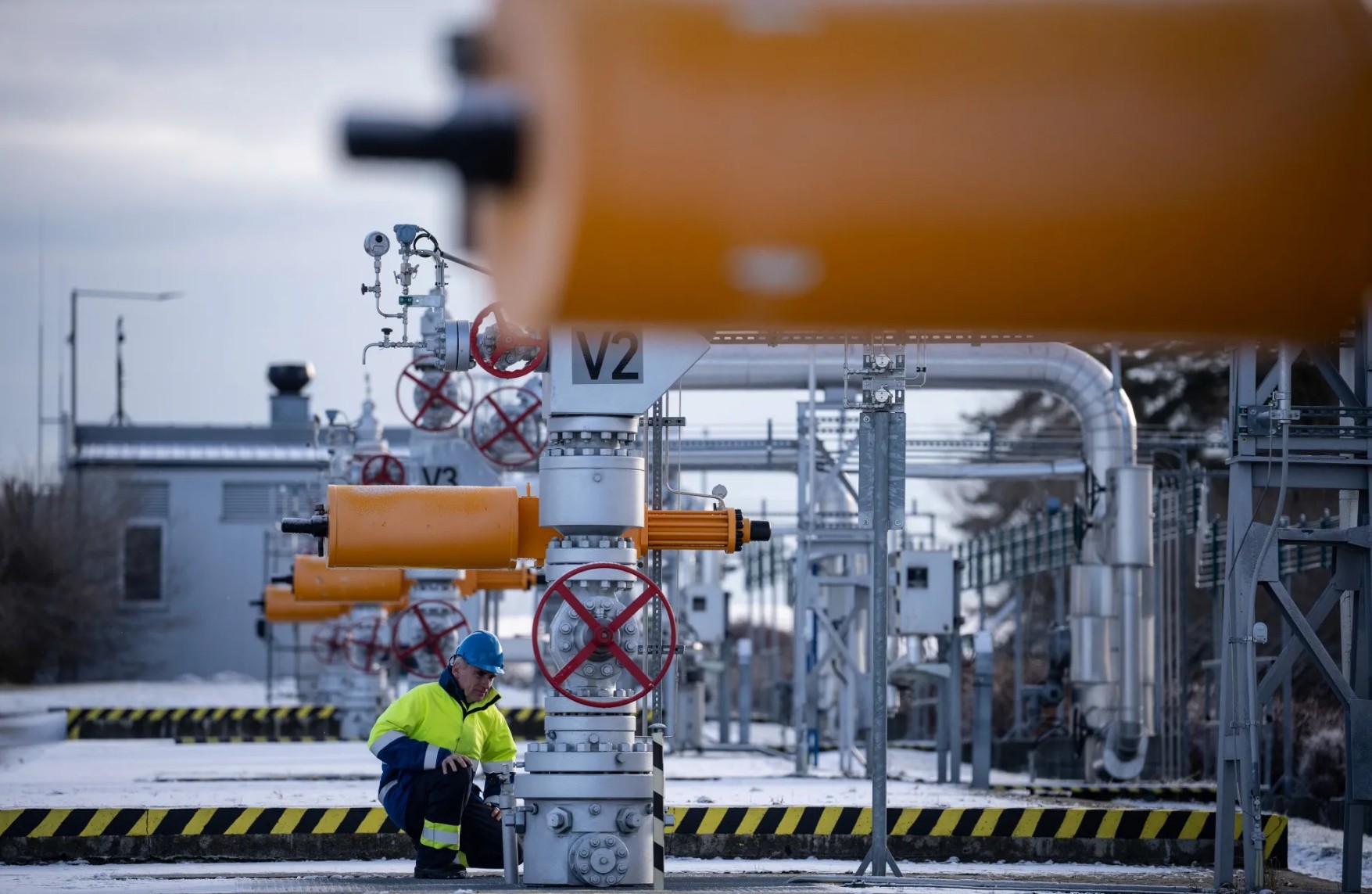
BRUSSELS (Realist English). The European Union has agreed on a 21st sanctions package against Russia, which includes a ban on importing Russian liquefied natural gas (LNG) into EU ports for re‑export to third countries.
However, as Bloomberg reports, Greece, which operates the world’s largest merchant fleet, blocked the adoption of the package and secured a crucial exemption for its shipping company Dynagas, which specialises in transporting LNG from Russia’s Arctic Yamal LNG project.
The Greek Veto: How Athens Saved Its Tanker Fleet
Greece used its veto power to exempt Russian gas shipments from sanctions, arguing that a full ban would not reduce Moscow’s revenues but would merely hand market share to competitors from Japan, China, and the United States.
Athens also warned that sanctions on vessels carrying Russian LNG would effectively strip Greek companies of their market share, which would otherwise go to Asian rivals.
As a result of the compromise, EU companies may continue transporting Russian LNG to third countries for 12 months with the possibility of extension, though shipping volumes are capped at 2025 levels. This concession removed the main obstacle to adopting the entire sanctions package.
“Tanker of Sanctions”: What Else Is in the 21st Package
Beyond the gas exemption, the package includes several other significant restrictions. Among them:
- Shadow fleet crackdown — 30 vessels involved in evading oil sanctions have been blacklisted.
- Financial blow — more than 30 Russian banks have been targeted.
- Cryptocurrency restrictions — transactions with digital assets are prohibited.
- Export controls — aimed at equipment for fertiliser production.
Freezing the Oil Price Cap: Brent Rises, but the Limit Stays
A key element of the package is the decision to freeze the price cap on Russian oil at $44.10 per barrel for 12 months. This prevented an automatic increase in the cap due to rising global prices triggered by the Gulf conflict.
The original formula provided that from July 15, 2026, the cap would be reviewed every two months based on the average Brent price. However, Western countries opted to keep the limit tight, even though Brent is trading above $90 per barrel.
Exemptions for Allies: Bulgaria and Other Concessions
The negotiation process involved active lobbying. Bulgaria secured an exemption for Patriarch Kirill and Lukoil founder Vagit Alekperov from sanctions lists.
Hungary and Slovakia retained the ability to import Russian oil, while the Baltic states warned they would not send their military contingents to Ukraine.
The agreed 21st sanctions package is a significant yet compromise‑driven step. As Bloomberg notes, it reflects both the EU’s determination to maintain pressure on Russia and the growing fragmentation of interests among its 27 member states.
Future sanctions packages are likely to become even harder to agree on, as they will increasingly affect the more sensitive economic sectors of individual countries.